Government Crackdown: DeepSeek AI Prohibited Across U.S. Federal Agencies
US Department of Commerce officials banned DeepSeek from government devices through a direct staff email last Monday. The Chinese AI platform collects extensive personal data including keystroke patterns, device details, and browsing history.
Security researchers have documented these invasive practices alongside numerous technical vulnerabilities that expose users to significant risks.
DeepSeek stores all user information on China-based servers, placing this data under Chinese jurisdiction and surveillance laws. Chinese companies must share information with intelligence officials upon request according to national security regulations.
The platform’s code contains connections to China Mobile, a state-owned company banned in the US since 2019 for security concerns. Multiple cybersecurity firms discovered critical flaws in DeepSeek‘s security architecture during recent evaluations.
These vulnerabilities include weak encryption methods, hardcoded encryption keys, SQL injection openings, and anti-debugging mechanisms designed to obstruct security analysis.
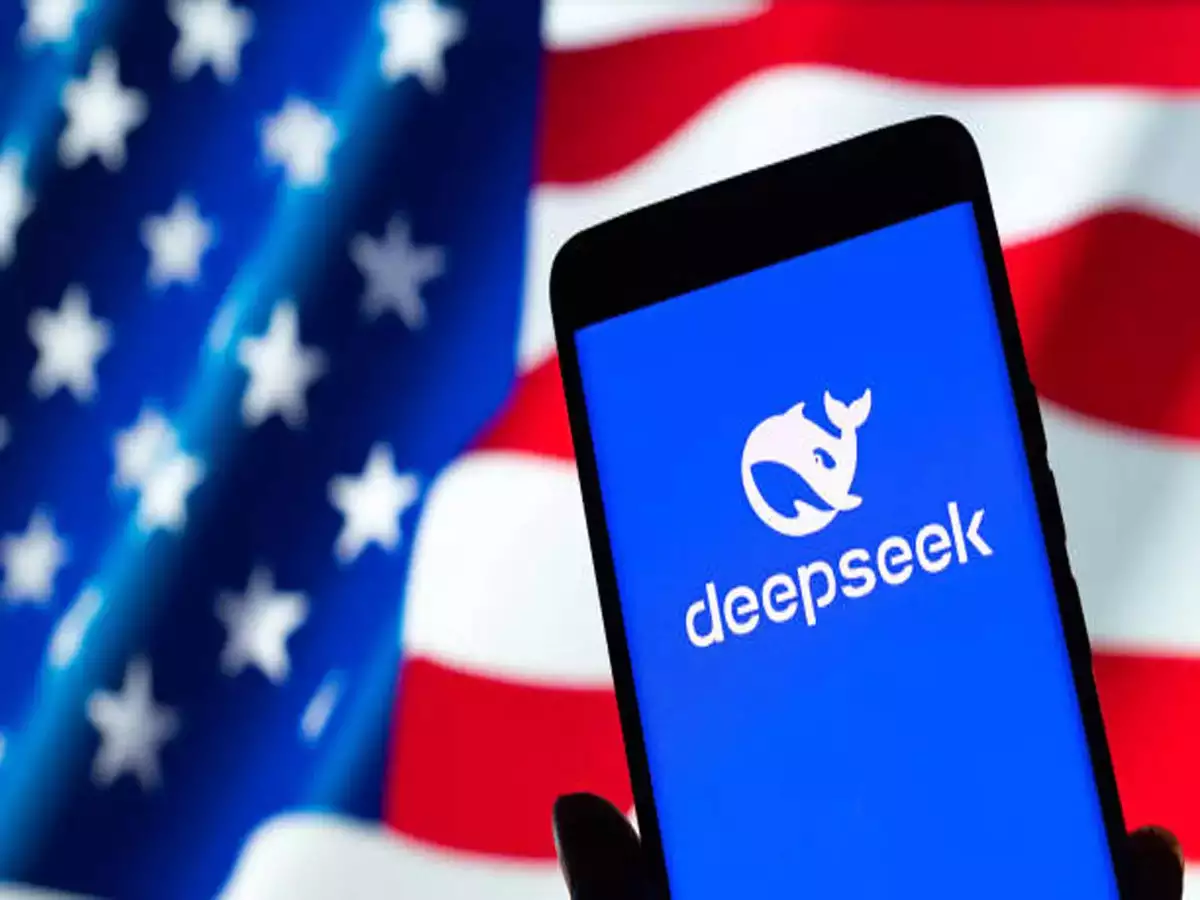
DeepSeek already suffered a significant breach that leaked API secrets, database information, and sensitive user chat histories. Security experts warn about the platform’s failure to block harmful prompts during independent testing.
Global Security Concerns Over DeepSeek
Cisco security assessments revealed DeepSeek allowed 100% of dangerous instructions compared to other AI models that demonstrated at least partial resistance. South Korean intelligence officials accused DeepSeek of “excessively” collecting personal data beyond stated purposes.
The security concerns have triggered widespread government action across multiple continents. Italy removed DeepSeek from app stores after receiving “completely insufficient” answers about data processing practices.
Australia, Canada, Taiwan, and South Korea implemented similar restrictions on all government devices and official networks. US restrictions now extend to Congress, the Pentagon, NASA, and multiple state governments including Texas.
OpenAI identified and blocked Chinese operations using AI models for surveillance activities targeting social media platforms. These operations monitored posts related to Chinese politics and human rights issues worldwide.
Cybersecurity experts advise against sharing any sensitive information with Chinese applications. They recommend using dedicated email addresses not linked to important accounts when interacting with these platforms.
This article was produced by The Rio Times’ automated newsroom system. How we use AI · Report an error · Editorial responsibility: Matthias Camenzind, Editor-in-Chief