Germany’s Political Divide Deepens Ahead of Pivotal Election
Germany’s political landscape has reached a critical juncture as voters prepare for federal elections on February 23, 2025.
The collapse of Chancellor Olaf Scholz’s coalition in late 2024 triggered snap elections, and with migration and economic stagnation dominating public discourse, political parties have adopted starkly contrasting positions.
According to Euronews, the center-right Christian Democratic Union (CDU), led by Friedrich Merz, leads polls with 30.8%, followed by the libertarian-conservative Alternative for Germany (AfD) at 19.8%.
The Social Democrats (SPD) trail at 15.7%, reflecting widespread dissatisfaction with the current government. Migration has emerged as a decisive issue, fueled by recent violent incidents involving migrants and asylum seekers.
Attacks in Solingen and Mannheim have intensified public concerns about security, pushing major parties to adopt stricter stances on immigration. The CDU has proposed border controls and expedited deportations.
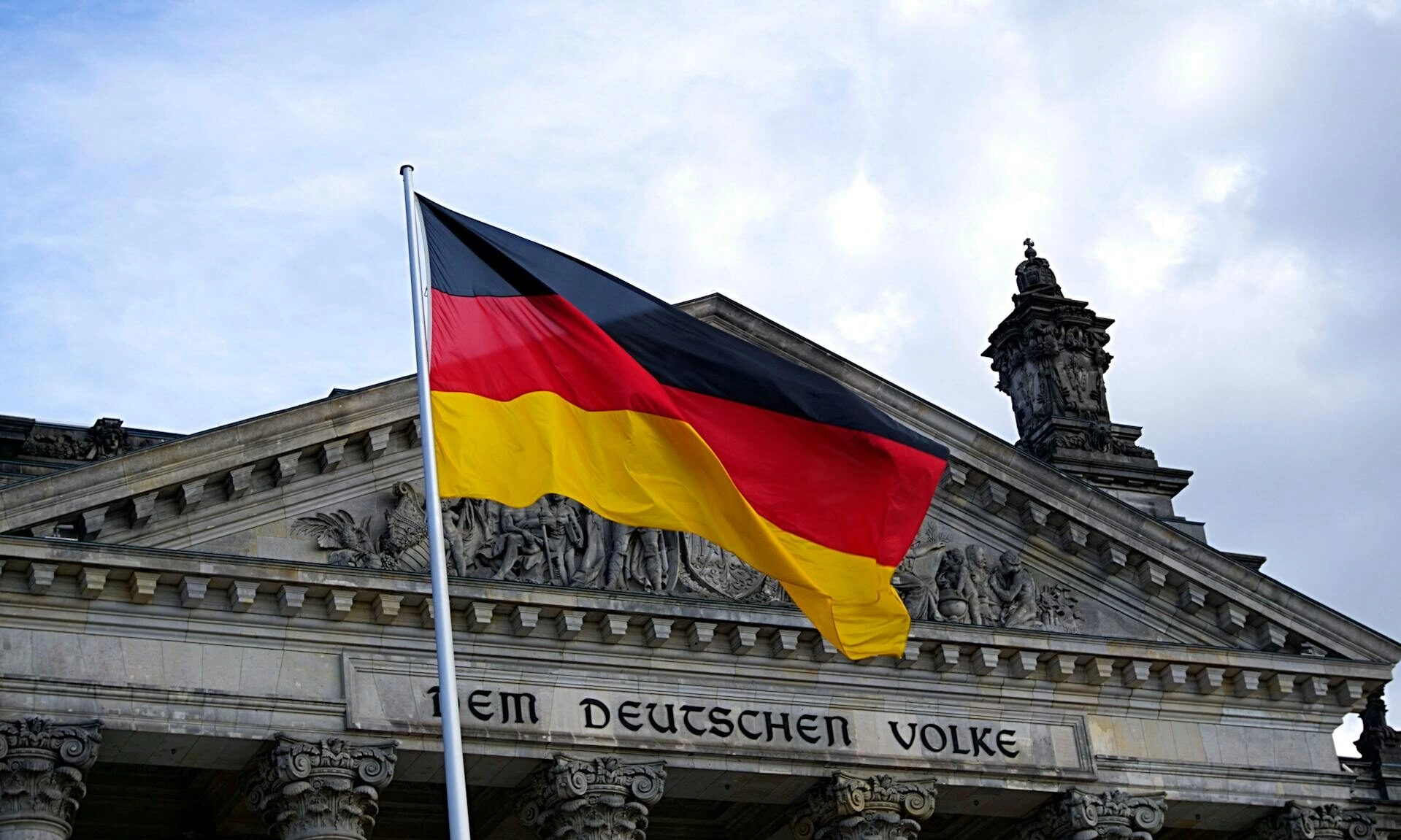
Merz sparked controversy by accepting AfD support to pass a non-binding parliamentary motion aimed at toughening migration laws. This decision shattered a post-war taboo against collaborating with groups labeled as far-right, igniting nationwide protests.
Germany’s Political Shift
The AfD has capitalized on voter frustration, advocating for sealing Germany’s borders and rejecting asylum claims from individuals transiting through other EU countries.
Its rise signals a shift in German politics, with the party poised to become the strongest opposition force. Meanwhile, Scholz’s SPD and the Greens have also hardened their rhetoric, promising faster deportations to address public concerns.
Economic challenges compound the political tension. Germany’s economy contracted for a second consecutive year in 2024, making it the EU’s weakest performer.
Gallup reports that only 27% of Germans feel their financial situation is improving, down from 42% in 2023. Rising costs, housing shortages, and job losses in key industries have left voters disillusioned.
These economic woes have fueled anti-immigration sentiment, with many blaming migrants for straining public services. With no party likely to secure an outright majority, coalition negotiations will shape Germany’s future policies on migration and economic recovery.
The CDU appears set to lead the next government but faces tough choices in forming alliances. Regardless of the outcome, this election marks a turning point for Germany’s domestic and European policies as political polarization deepens across the country.
This article was produced by The Rio Times’ automated newsroom system. How we use AI · Report an error · Editorial responsibility: Matthias Camenzind, Editor-in-Chief