Made In Europe Procurement Rules Split France and Germany

EUROPEAN UNION · ANALYSIS
Key Facts
- —What is happening The European Union is debating whether Made in Europe procurement preferences should cover only goods produced inside the EU-27, as France wants, or also include trusted partners such as Norway, Switzerland and Canada, as Germany prefers.
- —Why it matters The definition will determine whether US and Latin American exporters can access publicly funded EU contracts and subsidies, even when their goods enter Europe under existing trade agreements.
- —Who is who The European Commission proposed the Industrial Accelerator Act on 4 March 2026 as COM(2026)100.
- —What to watch Council negotiations among EU member states and European Parliament examination are the next formal stages, with the Irish Council presidency seeking a compromise, with the next Council meeting on 3 December as its target.
- —What it means for you A US company exporting electric vehicles, batteries or solar equipment to Europe could lose access to EU public contracts unless it expands manufacturing inside the EU or Washington negotiates an exemption.
Made in Europe procurement rules are dividing Paris and Berlin over whether only EU-27 production should qualify for public contracts and subsidies, or whether trusted partners such as Norway, Switzerland and Canada should be included. For US readers, the outcome will decide whether American exporters and investors face a new barrier in European public markets or retain a path through reciprocal access.
The European Union is rewriting the rules on what counts as European-made for public money, and the consequences reach far beyond Brussels. This analysis explains the Industrial Accelerator Act, the Franco-German split, and what it means for suppliers in the United States and Latin America, drawing on the Europe Intelligence Brief.
What the Industrial Accelerator Act Actually Proposes
The European Commission published the Industrial Accelerator Act proposal, formally COM(2026)100, on 4 March 2026. It is a proposed regulation to accelerate industrial capacity and decarbonisation in strategic sectors, not a general ban on imports.
The Commission wants manufacturing to rise from 14.3% of EU GDP in 2024 to 20% by 2035. The proposal covers steel, cement, aluminium, automotive components and net-zero technologies, using public procurement and public financial support to create demand for EU clean technologies and low-carbon products.
The proposal establishes conditions—not a €100 million investment limit—for certain foreign direct investments exceeding €100 million in strategic sectors where the investor’s non-EU home country controls more than 40% of global manufacturing capacity, including electric vehicles, batteries, solar technologies and critical raw materials. Conditions could involve EU employment, local content, ownership, technology transfer and research and development. The practical impact will depend on the final definition of eligible European content, the sectors covered, and whether requirements apply to procurement, subsidies, or both.
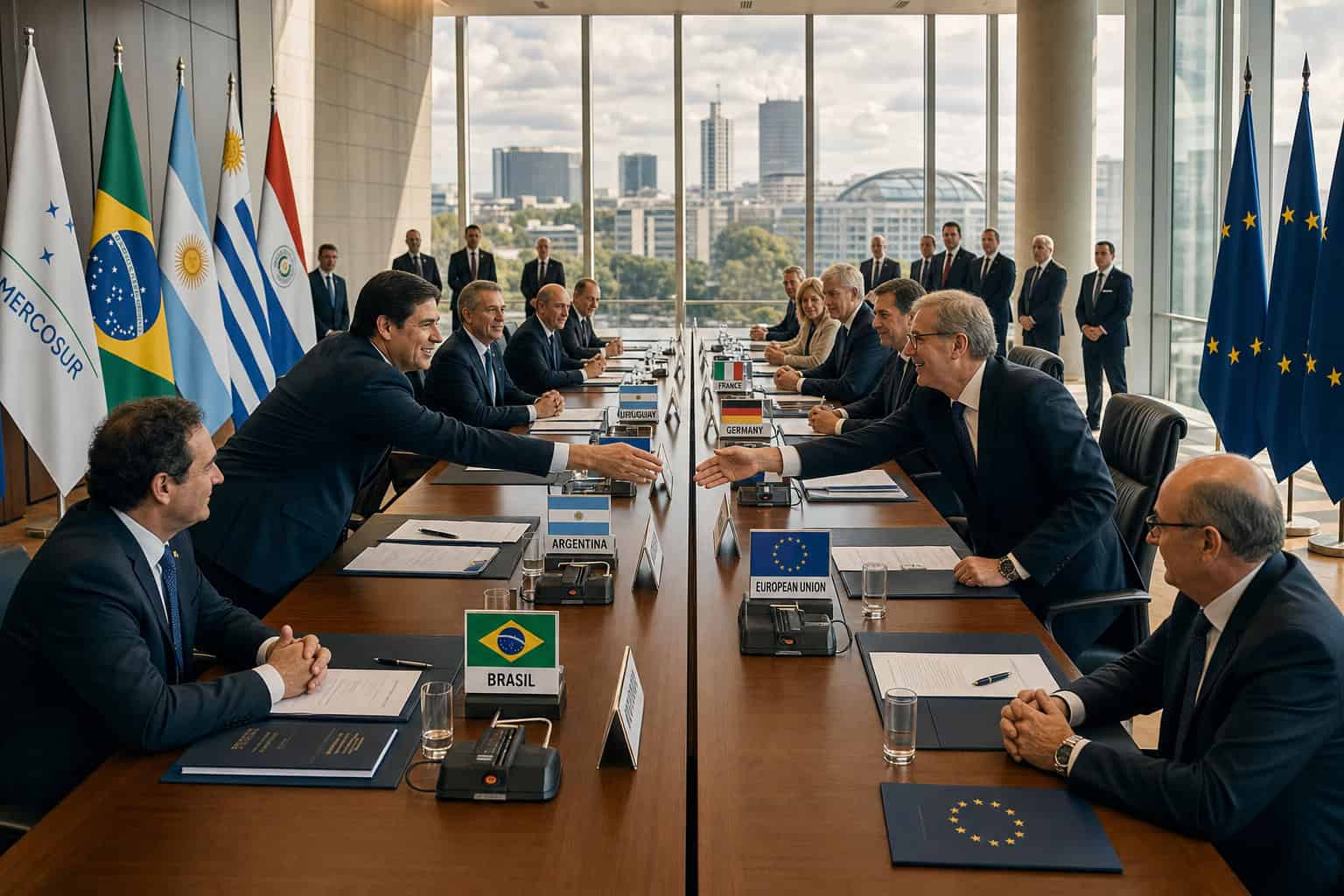
Paris Versus Berlin: Two Visions of European Preference
France favours a narrow definition focused principally on production within the EU’s 27 member states. Under that approach, EU public money and public contracts would primarily support goods manufactured inside the Union. Paris argues that an EU industrial preference should rebuild production capacity inside the EU rather than reward companies located in friendly countries.
Germany favours a more flexible “Made with Europe” approach. Berlin wants trusted partners, including Norway, Switzerland and Canada, and potentially other countries, to qualify where they maintain close economic relationships and offer reciprocal access to European firms. German industry is deeply integrated with non-EU suppliers and markets, particularly in automotive and industrial manufacturing.
The disagreement does not mean France wants to exclude all foreign content from every product, or that Germany wants unrestricted access for every third country. The unresolved questions include which sectors receive preferential treatment, what percentage of a product’s value must originate in Europe, whether assembly inside the EU suffices, which countries count as trusted, and how origin will be verified across complex supply chains.
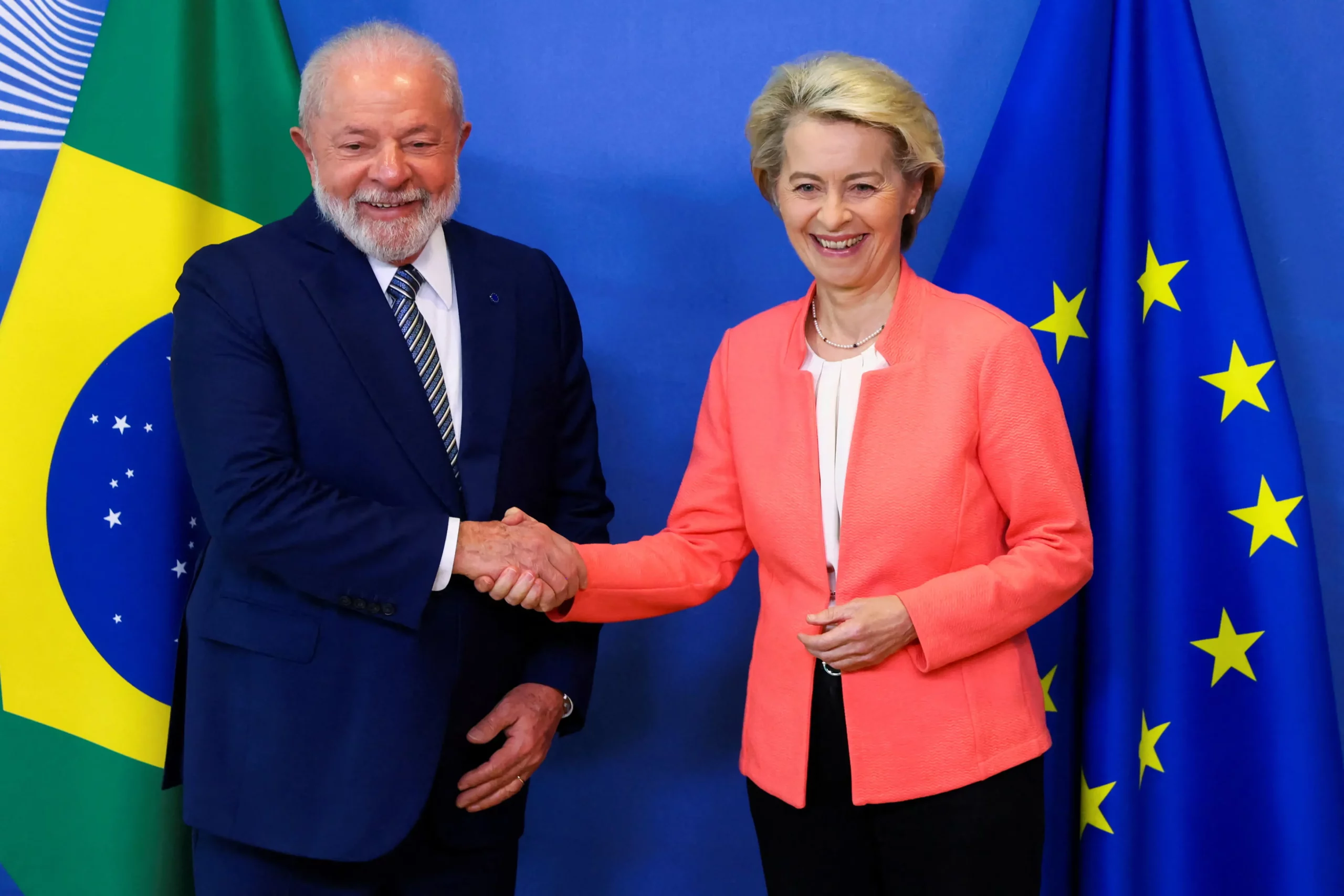
Who Is Excluded and What That Means
A strict EU-only definition would most clearly disadvantage suppliers manufacturing key components in the United States, United Kingdom, Canada, Japan, Latin America or other non-EU countries. It would also hurt EU manufacturers that depend on non-EU inputs and cannot meet a required European-content threshold.
A product assembled in the EU could fail to qualify if important components were made outside the EU. The dispute is especially relevant to batteries, electric vehicles, renewable-energy equipment, metals and industrial machinery, where production is spread across multiple jurisdictions.
Exclusion from Made in Europe preference would not necessarily mean exclusion from the EU market. A foreign product could remain importable and commercially competitive but lose access to a procurement preference, subsidy, or other public-support programme. That distinction between market access and eligibility for public support is the core commercial issue.
Latin American Exporters Face a Two-Tier Outcome
Latin American suppliers would face different outcomes depending on which definition prevails. Under a narrow EU-27 definition, it would be harder for Latin American companies to benefit from EU-funded procurement and industrial-support programmes, even where products enter the EU under preferential tariff arrangements.
Tariff preference and industrial-preference eligibility are different concepts. A trade agreement can reduce customs duties without giving a supplier access to an EU-origin preference in public procurement. Latin American exporters of commodities and industrial inputs could still sell into the EU, but they might need to establish processing or assembly facilities inside the EU, form joint ventures with EU manufacturers, or restructure supply chains to meet European-content thresholds.
For Brazil, Argentina, Uruguay and Paraguay, the issue arises alongside the EU-Mercosur trade framework. The EU-Mercosur Interim Trade Agreement began provisional application on 1 May 2026, following signature on 17 January 2026. But those tariff concessions do not automatically make Mercosur products eligible for a future Made in Europe procurement or subsidy preference.
Under a broader trusted-partner definition, prospects could improve for Latin American suppliers, but only if the EU classifies particular countries as trusted partners and grants them equivalent treatment. Germany’s publicly reported examples are Norway, Switzerland and Canada, not Mercosur countries. Latin American access could depend on whether a country has an EU trade agreement, whether the agreement includes reciprocal procurement access, and whether the country applies comparable environmental, labour and subsidy disciplines.
The US Angle: Trade Tension and Investment Choices
US companies would face a similar distinction between market access and eligibility for European public support. A narrow EU-only rule could disadvantage US exporters of electric vehicles, automotive components, batteries, solar and wind equipment, industrial machinery, and low-carbon steel, aluminium and cement.
US products could continue entering the EU under existing trade rules, but they might lose preferential treatment when European governments or EU institutions purchase goods with public funds. The impact on US companies investing in European industry would be more nuanced. A US-owned company manufacturing inside the EU might qualify if the rules focus on production location and measurable EU content, but ownership, technology transfer, employment and control requirements could matter under the foreign-investment provisions for projects above €100 million.
This could encourage US firms to expand EU manufacturing, localise more component production, and establish EU research and development operations. It could also make Europe less attractive as a base for US firms if compliance becomes complex or if the rules favour EU-owned companies rather than EU-based production. A narrow definition could intensify EU-US trade tension, with Washington potentially challenging the measures as discriminatory under World Trade Organization rules or pressing for retaliation.
What It Means for You
If you export to Europe or invest in European industry, the final definition of Made in Europe will determine whether your products can access publicly funded contracts and subsidies. A US exporter of batteries or solar equipment could lose procurement eligibility unless it expands manufacturing inside the EU or Washington negotiates an exemption.
For investors, the rules could shift the economics of European operations. Companies may need to localise more component production, increase European employment, or form joint ventures with EU manufacturers. The more ownership and technology-transfer conditions are used, the more likely Washington is to view the system as discriminatory.
The practical step is to monitor the final regulation, not the current political slogans. Companies should track the definition of European content, the percentage of EU value required, whether eligibility is based on production, ownership, employment or all four, and whether preferential treatment applies to procurement, subsidies, or both.
What Is Not Known
Several critical details remain unresolved as of October 2026. The final percentage of EU content required for a product to qualify as Made in Europe has not been agreed. It is not clear whether assembly inside the EU will suffice, or whether non-EU components can qualify when incorporated into an EU-made product.
The list of trusted partners has not been finalised. It is not known whether other countries, including Mercosur members, could be added. The European Parliament, the Commission and the other member states still need to negotiate the legislation, and a Franco-German agreement would not by itself determine the final rules.
It is also not known how origin will be verified across complex supply chains, or whether eligibility will be automatic, treaty-based or conditional on reciprocity. The enforcement mechanisms and the treatment of foreign-owned companies manufacturing inside the EU remain open questions.
What to Watch
The next formal stages for the Industrial Accelerator Act are Council negotiations among EU member states, European Parliament examination and amendment, and then negotiations between the Commission, Council and Parliament on a final text.
Discussions were reportedly linked to wider negotiations over automotive and emissions policy. Companies should watch for agreement on sector coverage, origin thresholds, reciprocity and enforcement.
Frequently Asked Questions
What is the Made in Europe procurement proposal?
The Made in Europe procurement proposal is part of the European Commission’s Industrial Accelerator Act, published on 4 March 2026 as COM(2026)100. It would make European origin a condition for some public procurement and support schemes in strategic industries such as steel, cement, aluminium, automotive components and net-zero technologies.
Why do France and Germany disagree on Made in Europe rules?
France wants a narrow definition limited to production inside the EU-27, arguing that EU public money should rebuild production capacity inside the Union. Germany prefers a broader “Made with Europe” approach that includes trusted partners such as Norway, Switzerland and Canada, to avoid disrupting supply chains and provoking retaliation.
How would a narrow Made in Europe definition affect US exporters?
A narrow EU-only definition could disadvantage US exporters of electric vehicles, batteries, solar and wind equipment, and industrial machinery by excluding them from EU public procurement preferences, even though their products could still enter the EU market under existing trade rules.
Does the EU-Mercosur trade agreement guarantee Made in Europe eligibility?
No. The EU-Mercosur Interim Trade Agreement, which began provisional application on 1 May 2026, does not automatically make Mercosur products eligible for a future Made in Europe procurement or subsidy preference.
Which countries could qualify as trusted partners under Germany’s approach?
Norway, Switzerland and Canada have been discussed as trusted partners that could qualify under a broader definition. It is not yet known whether other countries, including Mercosur members, could be added to the list.
When will the final Made in Europe rules be decided?
The next formal stages are Council negotiations among EU member states and European Parliament examination, followed by negotiations between the Commission, Council and Parliament. As of October 2026, no final agreement had been reached on sector coverage, origin thresholds, reciprocity or enforcement.
What should Latin American exporters do to prepare?
Latin American exporters should monitor the final definition of European content, the percentage of EU value required, and whether eligibility is based on production, ownership, employment or all four. They may need to establish processing or assembly facilities inside the EU, form joint ventures with EU manufacturers, or restructure supply chains to meet European-content thresholds.
Sources: riotimesonline.com, eutoday.net, euperspectives.eu, eutoday.net, single-market-economy.ec.europa.eu, single-market-economy.ec.europa.eu. Retrieved 8 October 2026.
This article was produced by The Rio Times’ automated newsroom system. How we use AI · Report an error · Editorial responsibility: Matthias Camenzind, Editor-in-Chief
LatAm Markets: Live Signals → — real-time movers, turnover leaders and FX across Latin America.