Peru · AGRICULTURE
Key Facts
- —What happened Five-metre freak waves destroyed about 200 tonnes of trout in Lake Titicaca farming cages early Tuesday.
- —How big a jump The loss is a major blow to local fish farmers in Peru’s Puno region who rely on the lake.
- —The catch No government response or emergency declaration has been verified despite the significant damage.
- —Where it hit Damage hit the lakeside strip, including El Faro de Pomata and Huaylluni in the southern sector.
- —What comes next Producers will need to repair their cages and restock fish, but full economic impact is still being assessed.
Waves of up to five metres tore through the floating cages before dawn.
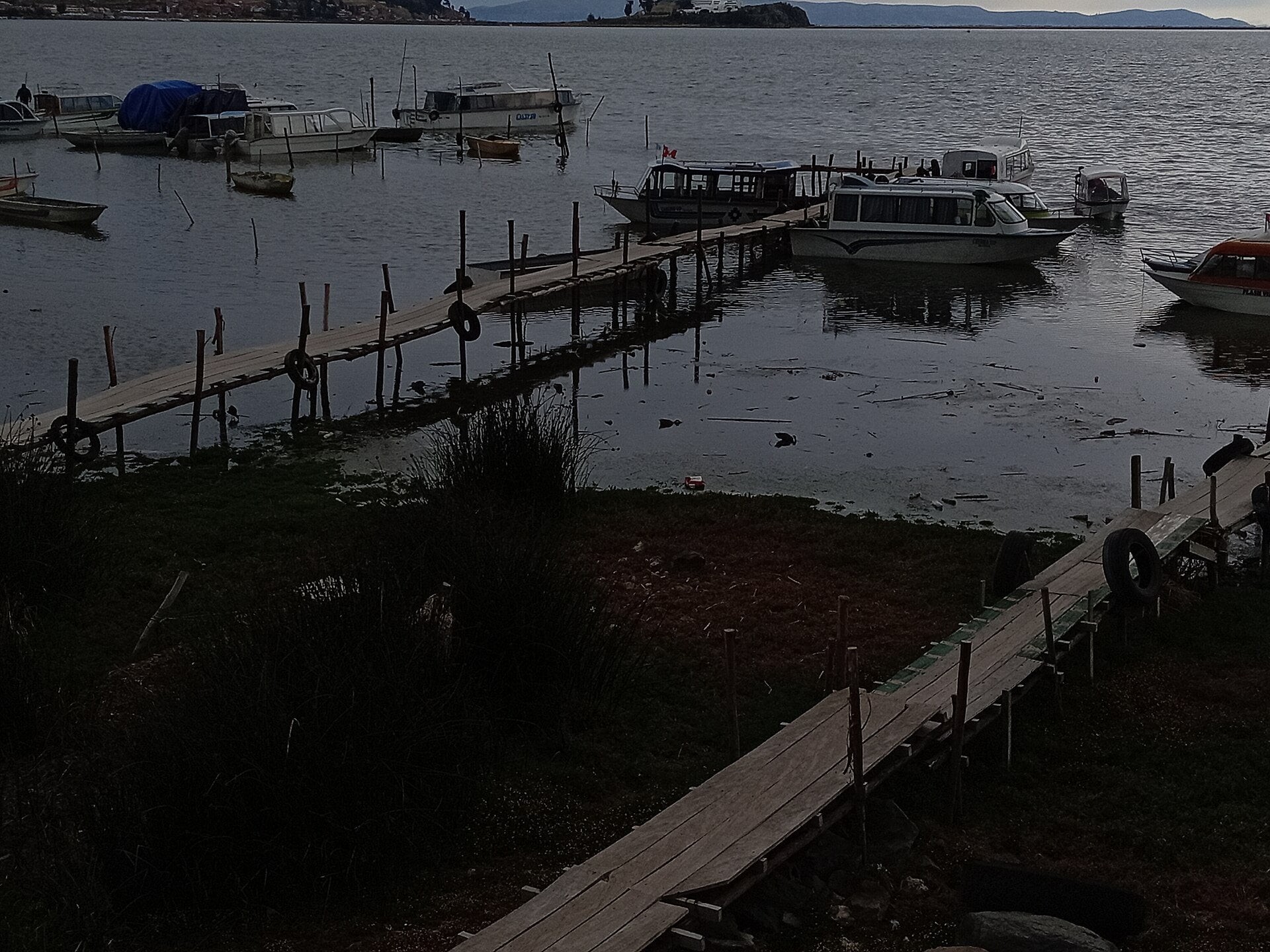
Freak waves on Lake Titicaca destroyed about 200 tonnes of trout in farming cages early Tuesday, according to state news agency Andina. The anomalous swell, known locally as oleaje anómalo, hit the southern sector of the lake in Peru’s Puno region.
What Happened on Lake Titicaca
From the early hours of Tuesday 18 August 2026, unusual waves battered trout farming cages on Lake Titicaca. The event was recorded in the southern sector, with the heaviest damage in the lakeside ring.
Strong winds and intense gusts hit the altiplano, the high plateau of the central Andes. They combined with rain and waves of up to about five metres.
This created the anomalous swell that tore through the floating cages.
The Scale of the Loss
Meanwhile, losses are estimated at about 200 tonnes of trout, according to Andina and other outlets. This is a significant blow for local fish farmers who rely on the lake for their livelihood.
Trout are farmed in floating cages moored in the lake. When strong swell hits, it tears the nets, and the fish escape or die.
Affected Areas in Puno
The damage was concentrated in the lakeside strip of Lake Titicaca. Areas reported include El Faro de Pomata, in the district of Pomata, province of Chucuito.
Huaylluni and other parts of the lakeside were also affected. COER Puno, the regional emergency operations centre, reported on the affected zones.
However, no full list of affected sites is available.
Why Lake Titicaca Is Vulnerable
In addition, lake Titicaca sits at about 3,800 metres in the Andes, on the border between Peru and Bolivia. Puno is the Peruvian side, and the lake’s high altitude makes it prone to strong winds.
The altiplano, where the lake is located, is known for its intense weather. Strong winds are common, and when they combine with rain, they can create dangerous wave conditions.
The Impact on Trout Farming
Trout farming is a key activity on Lake Titicaca, with floating cages anchored in the water. The recent waves have damaged these cages, leading to the loss of fish.
For local producers, this means a sudden and severe reduction in their stock. The full economic impact is still being assessed, but the loss of 200 tonnes is substantial.
Weather Conditions Behind the Waves
As a result, the waves were caused by strong winds and intense gusts on the altiplano. These winds, combined with waves of up to about five metres and rain, created the anomalous swell.
Such weather events are not uncommon in the region, but their intensity this time was exceptional. The result was significant damage to the fish farms.
Response From Local Authorities
COER Puno, the regional emergency operations centre, has been monitoring the situation. They reported on the affected zones, but no government response or emergency declaration has been verified.
In the meantime, local communities are dealing with the aftermath. The focus is on assessing the damage and supporting the affected producers.
What This Means for the Region
Overall, the destruction of 200 tonnes of trout is a major setback for the local fishing industry. It highlights the vulnerability of Lake Titicaca to extreme weather events.
For the people of Puno, this event is a reminder of the power of nature. The lake, which is a source of livelihood, can also be a source of sudden disaster.
Looking Ahead After the Waves
As the waters calm, the focus will be on recovery. Producers will need to repair their cages and restock their fish.
Meanwhile, the event serves as a lesson about the risks of farming in such a dynamic environment. Lake Titicaca remains a vital resource, but it demands respect.
More: Peru news in English, every day from The Rio Times.
Frequently Asked Questions
What caused the freak waves on Lake Titicaca?
The waves came from strong winds and intense gusts on the altiplano. Rain fell too, and the swell reached about five metres.
How much trout was lost in the incident?
About 200 tonnes of trout were lost, according to state news agency Andina and other outlets. The fish either escaped or died when the nets were torn by the waves.
Where did the damage occur on Lake Titicaca?
The damage was in the southern sector of the lake, in the Puno region of Peru. Specific areas include El Faro de Pomata and Huaylluni, among others in the lakeside strip.
Is Lake Titicaca prone to such events?
The lake sits at about 3,800 metres in the Andes, where strong winds are common. However, the combination of winds, rain, and large waves made this event particularly severe.
Connected Coverage
- Peru’s cooking gas emergency
- The Ayacucho earthquake
Sources: Andina; COER Puno; Peruvian regional media.
More Latin America news: Argentina | Mexico | Colombia | Chile | Peru | Venezuela | Uruguay | Ecuador | Brazil
This article was produced by The Rio Times’ automated newsroom system. How we use AI · Report an error · Editorial responsibility: Matthias Camenzind, Editor-in-Chief