Peru · ENERGY
Key Facts
- —What happened Peru declared a cooking gas emergency in five southern regions after rain and landslides cut off roads.
- —How big a jump The emergency covers Cusco, Puno, Arequipa, Moquegua and Tacna, where most households cook with bottled gas.
- —The catch The declaration does not change gas prices and only lasts up to 30 calendar days.
- —Who it touches Households in the five regions rely on truck-delivered metal cylinders, which stop arriving when roads close.
- —What comes next Authorities can relax storage, transport and safety rules to keep supply flowing until roads reopen.
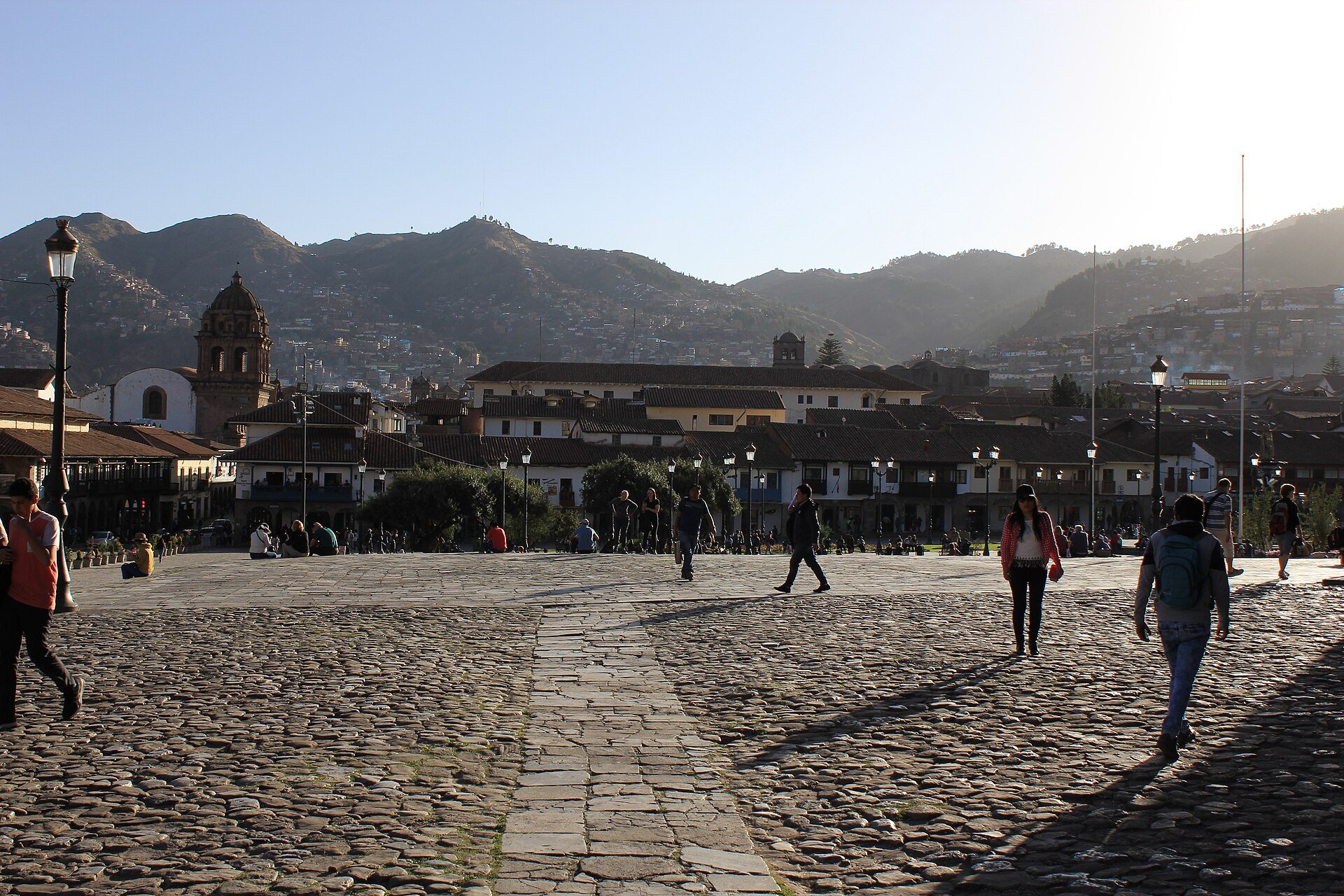
Heavy rain and landslides have cut off roads in Peru’s south, threatening the supply of the bottled gas most households cook with.
Peru has declared a cooking gas emergency in five southern regions after heavy rain and landslides cut off roads. The measure aims to keep liquefied petroleum gas, or LPG, flowing to households that depend on it for cooking.
What the Emergency Declaration Means
The Ministry of Energy and Mines declared the cooking gas emergency through Ministerial Resolution 360-2026-MINEM/DM. It appeared in the official gazette El Peruano on 21 August 2026.
It takes effect the day after publication and runs for up to 30 calendar days. The declaration covers hydrocarbon activities linked to the supply of LPG, which is what most Peruvian households use for cooking.
In short, it is a formal recognition that the gas supply is at risk.
Why the South Is Affected
The ministry gives the cause as heavy rain, landslides and damage to access roads and highways in the south. These events disrupt transport and threaten the continuity of supply.
Because LPG is sold in metal cylinders and delivered by truck, when roads close the cylinders stop arriving. Therefore, households in the affected regions face difficulty getting cooking gas.
The Five Regions Under the Measure
The five regions covered are Cusco, Puno, Arequipa, Moquegua and Tacna, all in the south. These areas rely on road transport for their gas supply.
Meanwhile, the declaration allows authorities to act quickly to keep the gas moving. For example, they can relax certain rules to restore supply.
Legal Basis for the Cooking Gas Emergency
The resolution sits under Supreme Decree 063-2010-EM, as amended by Supreme Decree 002-2026-EM. This legal framework gives the ministry the power to declare such emergencies.
As a result, the declaration is not ad hoc but follows established procedures. It provides a clear basis for temporary measures.
Role of the Energy Regulator Osinergmin
The declaration empowers Osinergmin, Peru’s regulator for energy and mining investment, to set temporary measures. These include exceptions to certain articles of the hydrocarbon marketing and safety regulations.
In addition, Osinergmin can approve alternative measures to secure supply. In practice, this lets the authorities relax storage, transport, safety and marketing requirements to keep or restore LPG supply.
Still, the goal is simple: ensure households can get the gas they need to cook.
What Changes for Households
For households in the five regions, the cooking gas emergency means authorities are working to avoid shortages. Reporting describes shortages or the risk of shortages of LPG in the south.
So, while the declaration does not change prices, it aims to keep the cylinders coming. Once roads reopen, supply should return to normal.
How the Emergency Works in Practice
In practice, the declaration allows temporary flexibility in how gas is stored and transported. For example, safety rules might be relaxed to speed up deliveries.
By contrast, without such measures, a road closure could quickly lead to empty shelves. Therefore, the emergency is a proactive step to prevent that.
Duration and Next Steps
The cooking gas emergency lasts up to 30 calendar days, starting the day after publication. During this time, Osinergmin will monitor the situation and adjust measures as needed.
After the period ends, normal rules resume unless a new declaration is made. Overall, the focus is on bridging the gap until roads are fixed.
Background on Peru’s Gas Supply
LPG is a common fuel for cooking in Peru, especially in homes that do not have natural gas pipelines. It is delivered in metal cylinders, which makes transport crucial.
Because the south is mountainous and prone to heavy rain, landslides are a recurring risk. This emergency is a response to that vulnerability.
More: Peru news in English, every day from The Rio Times.
Frequently Asked Questions
What is a cooking gas emergency in Peru?
A cooking gas emergency is a formal declaration by the Ministry of Energy and Mines. It allows temporary measures to secure LPG supply.
Which regions are affected by the emergency?
The emergency covers Cusco, Puno, Arequipa, Moquegua and Tacna. These are all in the south of Peru.
How long does the emergency last?
The emergency takes effect the day after the resolution is published and runs for up to 30 calendar days. It may be lifted earlier if the situation improves.
What can Osinergmin do during the emergency?
Osinergmin can set temporary measures, including exceptions to safety and marketing regulations. It can also approve alternative ways to keep LPG supply flowing.
Connected Coverage
- Cerro Verde’s Arequipa package
- The Ayacucho earthquake
Sources: El Peruano; Ministerio de Energía y Minas; Peruvian press.
This article was produced by The Rio Times’ automated newsroom system. How we use AI · Report an error · Editorial responsibility: Matthias Camenzind, Editor-in-Chief