Ex-President Uribe Convicted: Colombia’s Power Struggle Sparks Global Political Reactions
On July 28, 2025, a Bogotá criminal court convicted Colombia’s former president Álvaro Uribe of witness tampering and procedural fraud, making him the first ex-head of state in the nation’s history to be found guilty in a criminal court.
Judge Sandra Heredia led the proceedings and, according to official records, acquitted Uribe of the lesser charge of simple bribery but found him responsible for manipulating witnesses and judicial proceedings.
The ruling closed a 13-year legal saga that continually divided Colombia’s political and business classes. Uribe, who governed from 2002 to 2010, shaped modern Colombia.
Backed by the country’s economic elite for restoring order and drawing record investment, he became a symbol of security and market reform.
Yet, his presidency faced persistent accusations of human rights violations and connections to paramilitary groups—claims that never entirely faded in diplomatic and commercial circles.
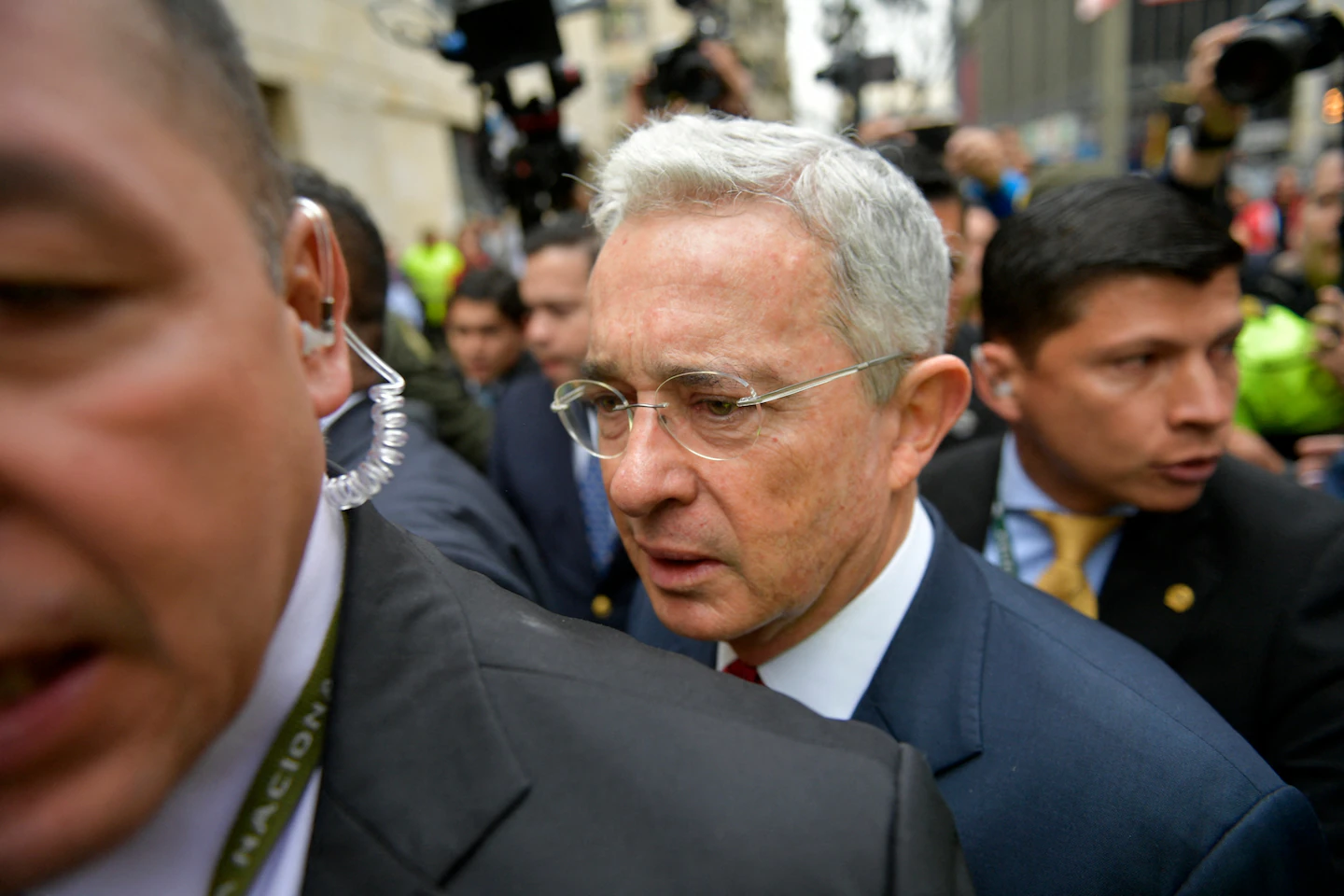
The most recent conviction resulted from evidence that Uribe’s legal team reached out to jailed paramilitaries, attempting to sway their testimony and protect his own legacy, as detailed in court records and investigative files.
International Leaders Criticize Uribe Conviction as Judicial Overreach
International reactions followed quickly and sharply, highlighting how Uribe’s fate remains a barometer for Colombia’s rule of law on the world stage.
High-profile U.S. officials, notably Secretary of State Marco Rubio under the Trump administration, called the ruling a “concerning precedent.”
On his official channel, Rubio insisted, “Uribe’s only crime was defending his homeland,” and warned of “politicization of Colombia’s judiciary by radical judges.”
Republican Congressman Mario Díaz-Balart echoed those worries, claiming the case amounted to a “witch hunt and violation of the rule of law.” He also called for reconsidering U.S. aid to Colombia, arguing the process against Uribe was marred by irregularities.
Other American leaders joined in. U.S. Senator Bernie Moreno, of Colombian descent, publicly rejected the conviction and pledged to lead a bipartisan congressional delegation to Colombia to “reaffirm commitment and closely observe the situation.”
Ashley Moody, a senator from Florida, directly accused President Gustavo Petro’s administration of eroding Colombia’s legal guarantees, and framed the case as inseparable from wider political polarization.
From across the border, Venezuelan opposition figure María Corina Machado voiced solidarity, praising Uribe as “an ally of democracy and freedom in Venezuela,” expressing confidence that “true justice will prevail.”
These responses show how closely Colombia’s internal affairs remain linked with U.S. and regional political interests, especially where power shifts could affect business and diplomatic alignments.
However, not all voices abroad are critical. Juanita Goebertus, Americas director at Human Rights Watch, issued a public statement that “the ruling against ex-President Uribe is not judicial overreach, but the result of due process with all guarantees.”
She argued the outcome proved “no one is above the law,” countering allegations of persecution from conservative politicians. The judgment comes at a tense time.
President Gustavo Petro, Colombia’s first leftist leader, faces sagging approval ratings and slow-moving reforms. Uribe’s conviction has shifted public attention from Petro’s struggles to the opposition’s future, just as the nation nears the 2026 elections.
For Colombia’s business leaders, the impact is real: a perception of politicized justice could slow investment and increase market risk, while a sense of fair accountability might boost long-term trust in Colombian institutions.
More: Colombia news in English, every day from The Rio Times.
This article was produced by The Rio Times’ automated newsroom system. How we use AI · Report an error · Editorial responsibility: Matthias Camenzind, Editor-in-Chief