Ecuador frustrates the attempt of a former correista minister to obtain political asylum
By Mamela Fiallo
A bribery network compromises 22 people from Ecuador, 10 officials and 12 businessmen. To avoid facing justice, the former Minister of Transportation, María de los Ángeles Duarte, wanted to seek asylum in Argentina. But the Government of Ecuador did not allow it.
Argentina accepted the request for asylum presented by Duarte herself. However, through a statement, the Ministry of Foreign Affairs and Human Mobility of Ecuador responded to the request of the Argentine Foreign Minister, Santiago Cafiero.
Ecuador denied Duarte access to safe conduct. By definition, a safe-conduct is a document issued by an authority so that whoever carries it can transit without risk where that authority is recognized. Or, it is the freedom to do something without fear of punishment.
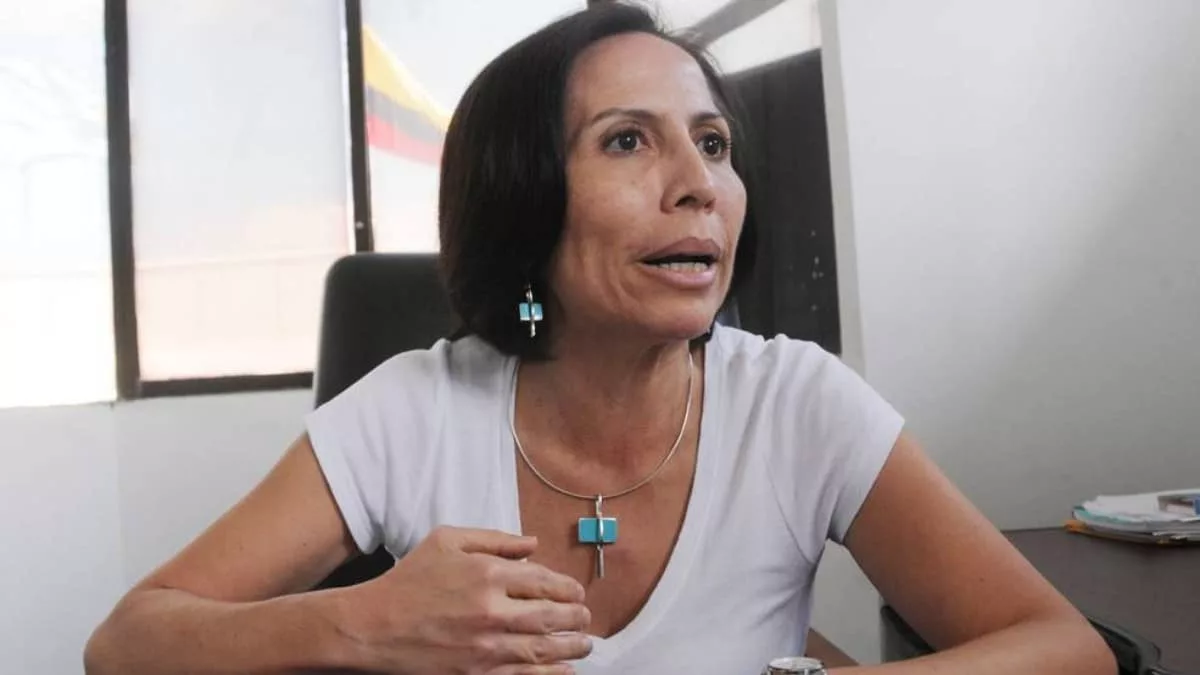
For his part, Foreign Minister Juan Carlos Holguín announced that Ecuador “will not grant the safe-conduct for the former minister to leave the country” to seek asylum in Argentina. “For us it is not lawful to give asylum to a person who has been sentenced for a crime of corruption and who had all the guarantees in the case in which she was immersed,” he added.
ARGENTINA WOULD HAVE GIVEN AN ULTIMATUM TO ECUADOR
It is official that Ecuador will not give Duarte safe conduct. Now the next step is the diplomatic conflict that this unleashed. The Foreign Ministry assures that the Government of Guillermo Lasso received an “ultimatum”. But the government was not intimidated. On the contrary, it rejected “any attempt to put deadlines or conditions on an issue that requires meticulous legal analysis.”
Since Duarte has already been sentenced for corruption, international law does not allow her access to her asylum. During the previous administration, that of former Ecuadorian President Lenin Moreno, Duarte was already denied safe conduct. Well, since August 2020, the former minister of Rafael Correa requested refuge in the Argentine Embassy in Quito.
LEGAL ARGUMENTS AGAINST ASYLUM
Given that Duarte was sentenced to eight years in prison for corruption, it is not lawful for her to request such a benefit. Since Argentina and Ecuador are both signatories to the 1954 Caracas Convention, she cannot be granted asylum in these circumstances. Article III of the Convention on Political Asylum determines that a person cannot be granted asylum if they have been sentenced and have not yet served their sentence.
One of the first to protest was former President Rafael Correa, one of the 22 implicated in the 2012-2016 Bribes case. In contravention of what was said in the Convention on Political Asylum, Correa assures that Duarte does have access to it.
A case of ideological persecution immediately came to light. Carlos Eduardo Pérez Barriga, director of the local newspaper El Universo, reproached the former president because he did not grant him a safe-conduct when he requested asylum in Panama.
Pérez Barriga was one of the many journalists persecuted under the government of Rafael Correa. It was necessary for Correa to leave power to file a complaint with the IACHR for the persecution against the opposition. The only judge who voted against the freedom of expression of the media is Argentine: Eugenio Raul Zaffaroni.
Said magistrate is a promoter of a current of guaranteeism that places the criminal as a victim of society and the forces of order as functional to a system of oppression. That is why it was possible to side with an authoritarian regime that silenced the press and denied access to hospitals.
Now in Ecuador his ideological allies and his compatriot suffered a severe blow. Well, the Embassy of Argentina will not be able to grant Duarte asylum.
With information from La Gaceta
More: Ecuador news in English, every day from The Rio Times.
Editorial responsibility: Matthias Camenzind, Editor-in-Chief · Editorial standards · Report an error