Mexico Digital Payments Law Faces a Vote, and the Tax Question Comes First
Economy · Mexico
Key Facts
- —What happened The finance committee of Mexico’s lower house is due to vote on the digital payments bill on Thursday 1 October.
- —How far it goes The finance ministry could name sectors in which digital payment is the only accepted way to pay.
- —The real argument Small shopkeepers fear that taking card payments means the tax office starts watching their sales.
- —The catch The bill text gives the tax office, the SAT, no new powers and amends no tax law.
- —What comes next The committee chair says every report should be ready by 14 October at the latest.
Mexican deputies vote this week on a bill letting the finance ministry pick sectors where only digital payment is taken. The argument has turned into one about the tax office.
The Mexico digital payments law reaches its first real test on Thursday 1 October. A committee of the lower house of Congress votes on whether to send it to the floor.
The bill would let the finance ministry name sectors where only digital payment is accepted. It would not ban cash anywhere else.
Its formal name is the Ley de Economía Digital para Pagos Digitales y Electrónicos. President Claudia Sheinbaum signed it on 8 September 2026 and sent it to the Chamber of Deputies.
What the bill actually says
The text appeared the same day in the Gaceta Parlamentaria, the chamber’s official gazette, as issue 7121-G. It runs to 22 articles and five transitional clauses.
Article 13 hands the Secretaría de Hacienda y Crédito Público, the finance ministry, the power to list strategic sectors. In those sectors, digital payment may become the only way to pay.
Sector regulators would then write the detailed rules and set their own transition timetables. Where a breakdown stops digital payment, the text says cash or a cheque must be taken.
The clock is short once the law takes effect. The ministry has 15 working days to name the first sectors, and regulators 15 more to publish rules.
Everywhere else the bill is permissive rather than compulsory. Article 11 says shops and service providers may adopt digital payment, not that they must.
Why the tax office walked into the argument
Mexico’s tax authority is the Servicio de Administración Tributaria, known as the SAT. It collects federal taxes and keeps the taxpayer register.
The SAT is not mentioned in the bill. Neither is money laundering, and the text amends no anti-money-laundering statute.
That has not kept the subject out of the debate. Supporters and sceptics are arguing about what a trail of digital records would eventually allow.
Merari Villegas Sánchez, a deputy on the finance committee, put the case for the bill. Reducing cash step by step takes ground from informality, tax evasion and money laundering, she said.
Expansión reported her remarks on Tuesday 29 September 2026. The same report carried the government’s answer to it.
José Antonio Peña Merino heads the Agencia de Transformación Digital y Telecomunicaciones, the government’s digital agency. Nothing here changes the legal relationship between the SAT, the financial intelligence unit and financial institutions, he said.
Accountants read the same facts differently. Jesús Guillermo Mendieta González speaks for the tax-audit commission of the Colegio de la Contaduría Pública de México.
The bill’s statement of purpose does not even touch tax supervision or money laundering, he said. The side effect of digital payments is that in time the records can help institutions audit.

The regulator says banking is not auditing
Ángel Cabrera is president of the Comisión Nacional Bancaria y de Valores, Mexico’s banking and securities regulator. He has tried to answer the fear head on.
Mexico needs to destroy the myth that opening a bank account is the same as being audited, he said. Expansión reported those remarks on 25 September 2026.
His commission has an interest here, because it supervises the banks the bill wants people to use. The obstacle he names is small shopkeepers who believe a card terminal invites the tax office in.
President Claudia Sheinbaum has not hidden the revenue motive. Cash will not be banned, she said, and the aim is to ease technology use for fiscal and security reasons.
She listed cutting crime and improving tax collection among the purposes. She spoke at her daily press conference on 24 September 2026, in remarks reported by La Jornada the next day.
Peña Merino put a measure on the gap. He put the share of purchases of 500 pesos (about US$28) or less still settled in cash at 85%.
Who could be shut out
The committee’s own analysis flagged the risk before any vote. It named people without bank accounts, older adults, rural and indigenous communities, and those without a smartphone.
Legislators also called the wording on strategic sectors ambiguous. They want a guarantee that nobody is blocked from buying goods or using public services for lack of an account.
That analysis was reported by La Jornada on 21 September 2026. A revised text answering the point has not been reported.
The scale is measured, and it is large. Mexico’s statistics institute, INEGI, runs the national financial inclusion survey with the central bank and the banking regulator.
Its 2024 round found 85.2% of people used cash most often for purchases of 500 pesos or less (about US$28). The same share was 90.1% in 2021.
Electronic transfers and mobile apps rose from 1.6% to 4.4% over those three years. Peso figures here are converted at 17.8413 to the US dollar, the Bank of Mexico rate for 28 September 2026.
The survey also counted 94.22 million adults, of whom 63% hold an active account. About 26% have never opened one at all.
What it means if you run a shop or get paid in Mexico
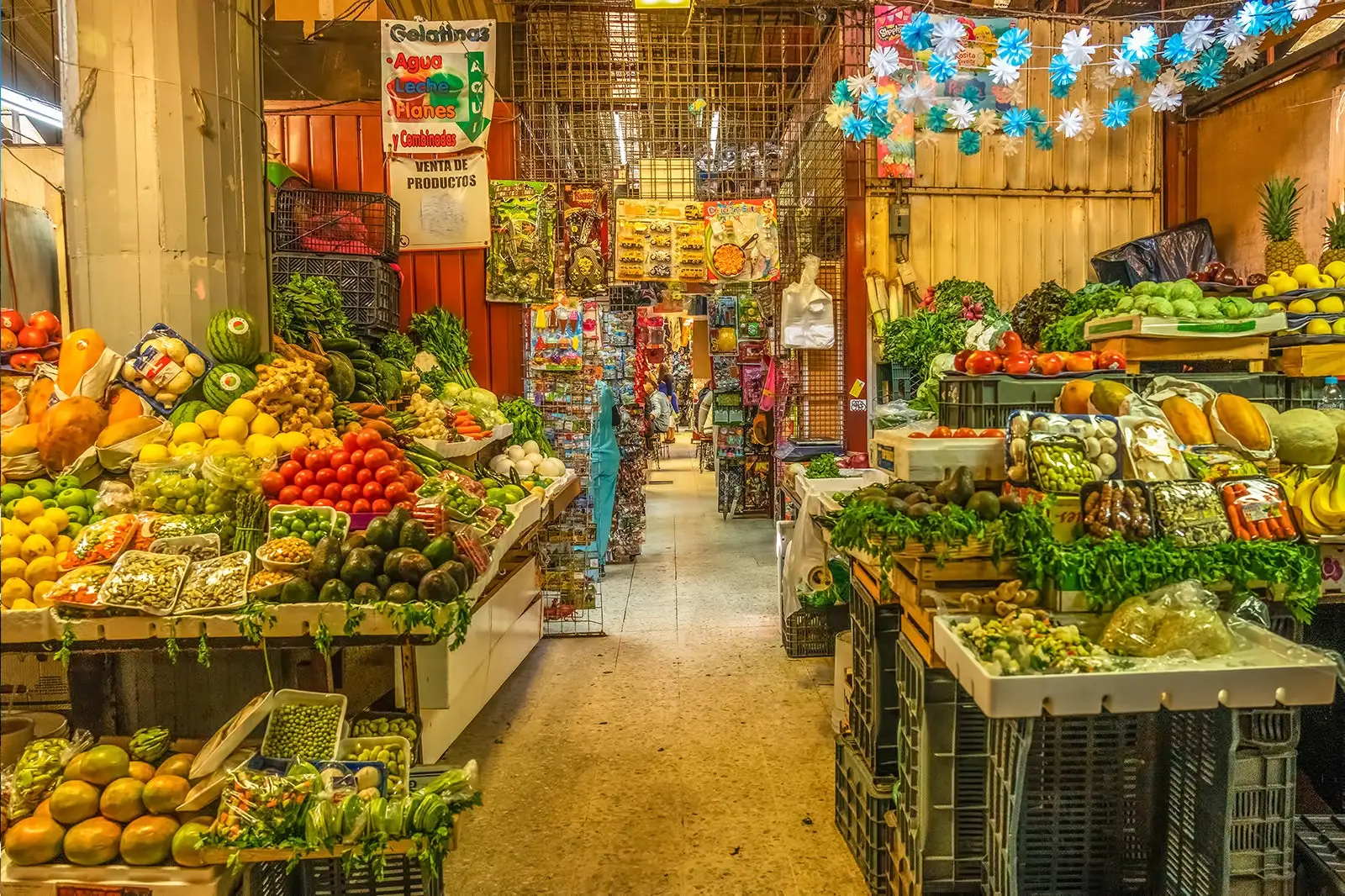
For a small business, the Mexico digital payments law is about acceptance before it is about tax. Nothing in the bill obliges an ordinary shop to install a card terminal.
If your sector is designated later, the rules come from your own regulator rather than the ministry alone. Those rules must carry a transition period.
For a foreigner paid in Mexico, this bill alters no reporting rule. The agency chief said the existing framework between banks, the SAT and the financial intelligence unit stays as it is.
The practical gain, if it works, is a record. A shop that takes digital payment builds a sales history a lender can actually read.
What happens next
The finance committee meets on Thursday 1 October at midday, Mexico City time. Its chair is Carol Antonio Altamirano, of the governing Morena party.
He promised a report that is solid, responsible and technically grounded, in remarks carried by Excélsior. He has also said every such report should be ready by 14 October at the latest.
Altamirano has put the government’s reasons plainly. The law will cut crime, improve revenue collection and stop leaks of public money, he said on Imagen Radio.
A committee vote is not the end of it. The full chamber must vote afterwards, and the Senate after that.
No draft report had appeared in the chamber’s gazette by Tuesday 29 September 2026. What it contains will show whether the exclusion warnings were answered.
More: Mexico coverage, every day from The Rio Times.
Frequently Asked Questions
What is the Ley de Economía Digital para Pagos Digitales y Electrónicos?
It is a bill sent to Mexico’s Chamber of Deputies by President Claudia Sheinbaum on 8 September 2026. It would let the finance ministry designate strategic sectors in which digital payment may be the only accepted form of payment. Sector regulators would then set the conditions and the transition timetables. The full text was published in the chamber’s gazette, issue 7121-G.
Does the bill give the SAT new powers?
No. The SAT, Mexico’s tax authority, is not named in the text, and no tax or anti-money-laundering statute is amended. The head of the government’s digital agency, José Antonio Peña Merino, said the legal relationship between the tax authority, the financial intelligence unit and financial institutions is unchanged. Accountants argue that the records digital payment creates could still help auditors in time. The president and the committee chairman do name better tax collection among the bill’s purposes.
Is cash being banned in Mexico?
No. The Mexico digital payments law would remove cash only in sectors the finance ministry designates, and even there the bill requires cash or a cheque to be accepted when the digital system fails. President Claudia Sheinbaum said cash would not be banned. Outside designated sectors, the bill says shops may adopt digital payment rather than that they must.
How much of Mexico still pays in cash?
The 2024 national financial inclusion survey, run by the statistics institute INEGI with the central bank and the banking regulator, found 85.2% of people used cash most often for purchases of 500 pesos or less (about US$28). That was down from 90.1% in 2021. Electronic transfers and mobile apps rose from 1.6% to 4.4% over the same period.
Sources: Gaceta Parlamentaria 7121-G, the full text of the initiative, Gaceta Parlamentaria 7135 for 29 September 2026, Expansión on the tax and money-laundering argument, Expansión on the banking regulator’s answer, Expansión on account ownership and connectivity, La Jornada on the committee’s exclusion warning, La Jornada on the president’s remarks, Excélsior on the committee chair, El Congresista on the 1 October session, Imagen Radio on the 14 October deadline, Banco de México, the FIX exchange rate
This article was produced by The Rio Times’ automated newsroom system. How we use AI · Report an error
In depth
Read More from The Rio Times