Qatar Group in Venezuela Energy Talks, With No Deal Announced
Energy · Venezuela
Key Facts
- —What happened Qatari private group UCC says it is in talks to enter new oil or gas areas in Venezuela.
- —How much is flowing OPEC’s secondary sources put August 2026 output at 1.145 million barrels a day, against over three million in the 1990s.
- —The real story Qatar money in Venezuela energy already has a foothold: a third of the Loran gas licence since August.
- —The catch UCC is a top-tier sponsor of the Caracas summit where its own executive described the talks.
- —What comes next Venezuela’s state oil company says 2027 could pass 1.5 million barrels a day if 2026 closes above 1.3 million.
A private Qatari group says it is talking to Venezuela about new oil and gas ground. It already owns a third of one gas licence there.
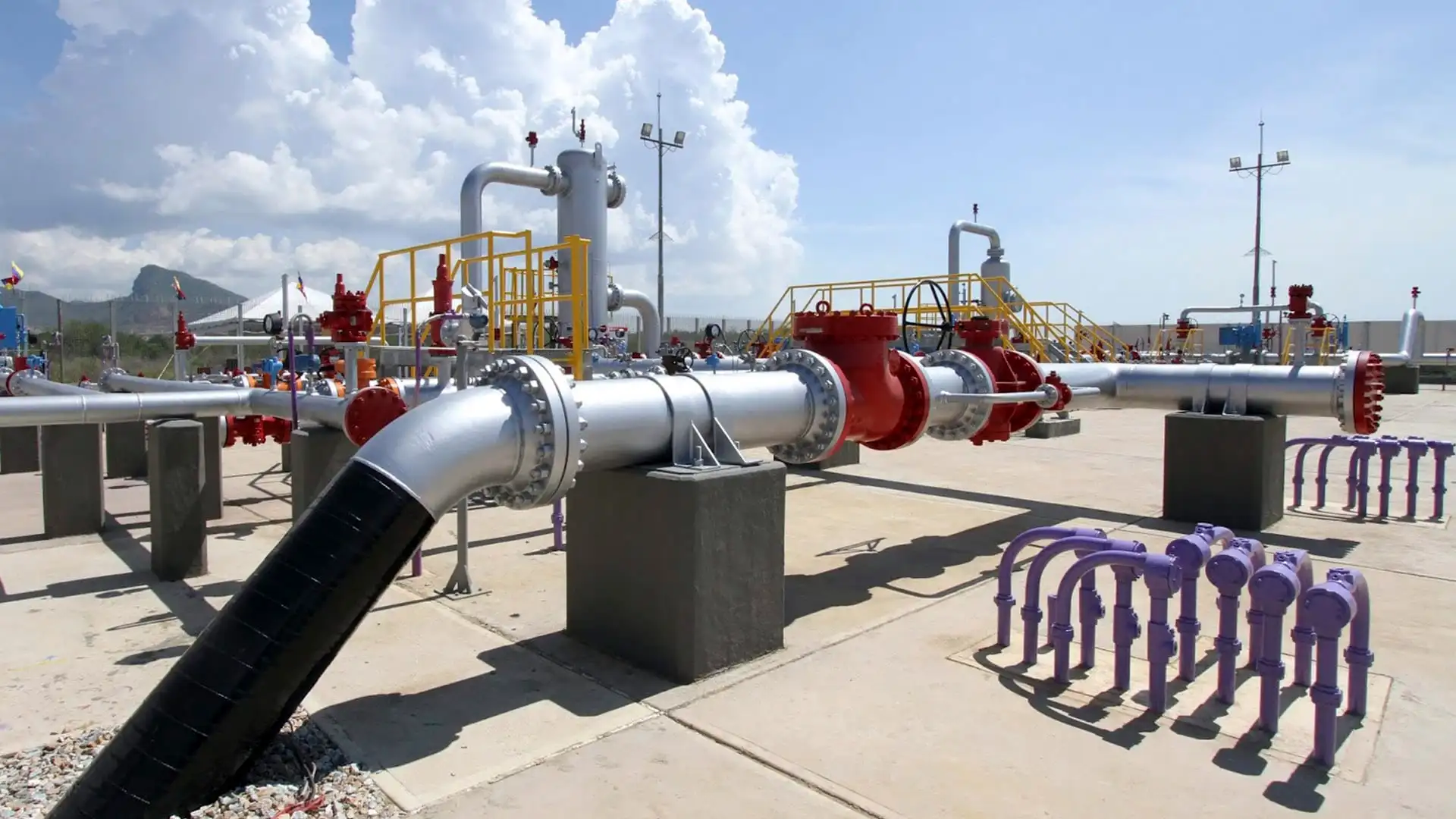
Qatar and Venezuela energy ties may be about to widen beyond gas. A Qatari group says it is in talks about entering new oil or gas areas in the country.
Erik Keskula, head of upstream at UCC Oil and Gas, said so in Caracas. Reuters reported his remarks on 29 September 2026.
He named no acreage, no timetable and no sum. No comment from the Venezuelan government or from PDVSA has been reported.
The company he speaks for is not a state producer. UCC Oil and Gas Holding is the energy arm of UCC Holding, a privately owned Qatari group based in Doha.
The company behind the name
UCC Holding is chaired by Moutaz Al-Khayyat, with his brother Ramez Al-Khayyat as president and group chief executive. Forbes Middle East ranked it first among Middle East construction companies in 2026.
Its own website describes the business as energy, mining, concessions and construction. Bloomberg describes it as a Qatari contractor.
The group has moved quickly into energy. It leads a consortium building eight power plants in Syria under a US$7 billion agreement signed in 2025.
It also took an oilfield concession in Libya this year. The Al-Khayyat family that controls UCC has joined a consortium led by the American financier Todd Boehly.
That group is bidding for the international assets of the sanctioned Russian producer Lukoil, the Financial Times reported. Its backers include a United States government development finance agency.
What UCC already holds in Venezuela
UCC is not a newcomer to the country. On 14 August 2026 Venezuela awarded the Loran Phase 2 gas licence to BP, to Abu Dhabi’s XRG and to UCC.
The three partners hold equal working interests. XRG is the international energy investment arm of the Abu Dhabi National Oil Company.
Loran sits in the Plataforma Deltana area off Venezuela’s east coast, close to Trinidad. The Trinidad Guardian put its recoverable gas at about four trillion cubic feet.
So the talks Keskula described are about adding ground, not arriving. Qatar and Venezuela energy ties already run through that one licence.
The summit that filled the hotel
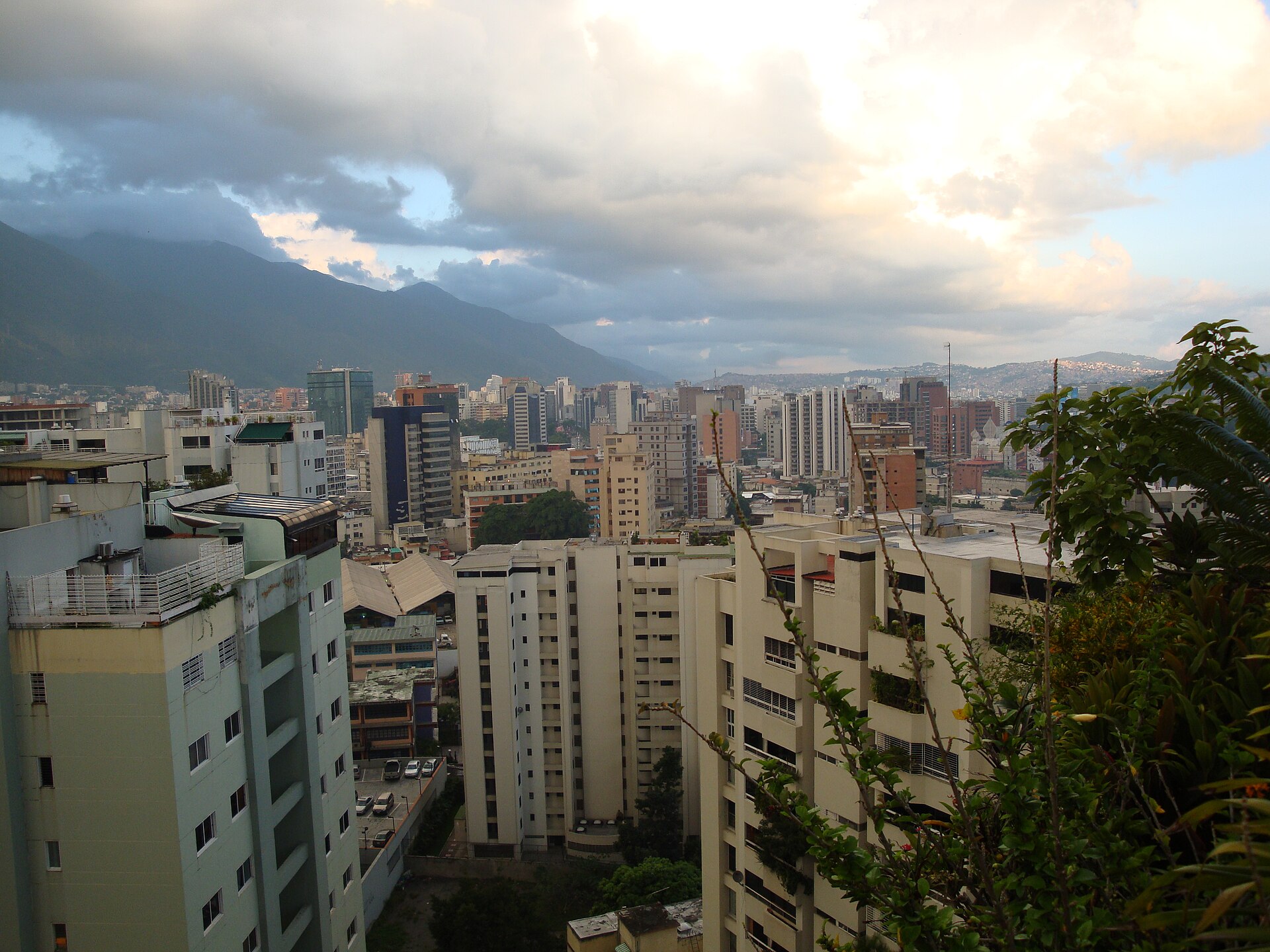
The Venezuela International Oil and Gas Summit is running in Caracas this week. The organisers list it from 28 to 30 September 2026, with delegate registration sold out.
Their own website claims more than 600 senior delegates, 250 participating companies and 30 countries. Those figures come from the organisers themselves.
Bloomberg reported on 28 September 2026 that some 650 executives, officials and diplomats were due to attend. It said more than 150 others were on a waiting list.
Companies represented at the event include ExxonMobil, TotalEnergies, BP, Repsol, Siemens and Hunt Oil, Bloomberg said. It named Lindsayca of Houston and UCC Holding as strategic partners.
Strategic partner is the top tier on the organisers’ own sponsor list. UCC helps fund the conference at which its own executive described the talks.
Tickets went for US$2,950 each before registration closed, Bloomberg reported. Paula Henao, the minister for hydrocarbons, and Félix Plasencia, the foreign minister, were expected to attend.
The gap between paper and barrels
Venezuela pumped 1.145 million barrels a day in August 2026, according to OPEC’s secondary sources. Venezuela’s own submission to OPEC for the same month was 1.201 million.
Both numbers come from the monthly report OPEC published on 10 September 2026. The two measures differ partly over whether condensates and gas liquids are counted.
In the 1990s the country pumped more than three million barrels a day, Bloomberg noted. That is more than double the August rate.
Signatures have come faster than barrels. Bloomberg reported that many companies have signed preliminary agreements with the state oil company PDVSA, while few have made firm commitments.
It listed three reasons: United States sanctions rules, environmental liabilities and political conditions in Caracas and Washington. Readers who want the licence detail can follow our report on the latest Treasury changes.
Who says what happens next
Héctor Obregón, the president of PDVSA, gave a target of 1.3 million barrels a day for 2026. If the year closes above that, he said, 2027 could pass 1.5 million.
He was speaking to the Caracas trade publication Petroguía on 8 September 2026. Paula Henao has said output could come close to 1.4 million barrels a day this year.
Both figures are the government’s own, and both sit above the August rate.
The claims waiting in the background
Anyone investing in Venezuela inherits a long queue of creditors. Reuters research relayed by the Caracas outlet Banca y Negocios put bondholder claims at about US$102 billion, on JPMorgan’s estimate.
More than 50 companies hold claims from expropriations under the late president Hugo Chávez. Arbitration awards and court judgments were valued above US$20 billion by Transparencia Venezuela and PublicDebtIsPublic.
Washington has built a shelter around the money. President Donald Trump signed Executive Order 14373 on 9 January 2026, on safeguarding Venezuelan oil revenue.
It states that the deposited funds are not the property of any private party, including judgment creditors. Attachment, garnishment and liens against those funds are prohibited.
Obregón described that arrangement as protection. He told Petroguía that PDVSA faces many lawsuits and that the Treasury account keeps creditors away from its accounts.
There is a Qatari footnote to all this. Dolores Dobarro, a former deputy energy and mines minister, said an early plan to bank export income in Qatar was dropped.
Creditors had instructed lawyers to seek an embargo order from a Qatari court, she told Petroguía. That is the same jurisdiction UCC calls home.
What it means if you live or invest in the region
For residents and investors, the measure that matters is output, not announcements. The August figure moves in tens of thousands of barrels, not hundreds.
A licence awarded is not gas delivered, and a conversation is not a contract. The direction is upward, but the slope is shallow.
The next hard number will be OPEC’s October report, covering September. Until then, the fields say less than the conference hall does.
More: Venezuela coverage, every day from The Rio Times.
Frequently Asked Questions
Who or what is UCC?
UCC Oil and Gas Holding is the energy arm of UCC Holding, a privately owned Qatari group with its head office in Doha. It is not a state oil company and it is not QatarEnergy. UCC Holding is chaired by Moutaz Al-Khayyat, and his brother Ramez Al-Khayyat is president and group chief executive. Forbes Middle East, which ranked the group first among Middle East construction companies in 2026, describes it as an energy, concessions and construction business founded in 2011.
Has a new agreement been signed with Venezuela?
No new agreement has been announced by either side. Erik Keskula, the head of upstream at UCC Oil and Gas, told Reuters in Caracas on 29 September 2026 only that the company was in talks about possible entry into oil or gas areas. He gave no acreage, no timetable and no figure, and Reuters reported no comment from the Venezuelan government. Qatar and Venezuela energy cooperation so far rests on the Loran Phase 2 gas licence awarded in August 2026.
How much oil does Venezuela actually produce?
OPEC’s monthly report published on 10 September 2026 put August output at 1.145 million barrels a day on the basis of secondary sources. Venezuela’s own submission to OPEC for the same month was 1.201 million barrels a day. The two series have long differed, partly over whether condensates and natural gas liquids are counted. Bloomberg notes that the country pumped more than three million barrels a day in the 1990s.
What legal risk does an investor take on in Venezuela?
More than 50 companies hold claims against Venezuela and PDVSA from expropriations carried out under the late president Hugo Chávez. Transparencia Venezuela and PublicDebtIsPublic value arbitration awards and court judgments at more than US$20 billion, excluding accrued interest, and warn their count may be incomplete. JPMorgan puts bondholder claims, including past-due interest, at about US$102 billion. Executive Order 14373, signed on 9 January 2026, shields oil revenue deposited at the United States Treasury from attachment by private creditors, but it does not extinguish the claims themselves.
Sources: Reuters, on the UCC talks, La República, carrying the same Reuters copy in Spanish, Bloomberg, on who is at the Caracas summit, El Espectador, on the summit in Spanish, The summit organisers, on dates and delegate numbers, Banca y Negocios, on the OPEC monthly report figures, Petroguía, on PDVSA targets and the Treasury account, Banca y Negocios, relaying Reuters research on Venezuelan debt, The Federal Register, on Executive Order 14373, The White House, on the text of the order, Trinidad Guardian, on the Loran Phase 2 licence, African Energy Chamber, on the August signing, Forbes Middle East, on UCC Holding, UCC Holding, on its own businesses, La Voce di New York, relaying the Financial Times on the Boehly consortium, White & Case, on UCC’s Syrian power programme, a second relay of the OPEC August figures
This article was produced by The Rio Times’ automated newsroom system. How we use AI · Report an error
Read More from The Rio Times