IBOV 177,418.78 ▲ 1.00% IPSA 11,315.26 ▼ 1.14% IPC MEX 65,430.32 ▼ 0.08% MERVAL 3,033,848 — 0.00% COLCAP 2,425.08 ▼ 1.33% BVL PERÚ 59,928.30 ▼ 0.80% USD/BRL5.17▼ 0.22% USD/MXN16.98▼ 0.10% USD/CLP938.58▲ 0.46% USD/COP3,220▲ 0.58% USD/PEN3.36▼ 0.15% USD/ARS1,513▲ 0.28% USD/UYU40.29▲ 0.05% USD/PYG5,892▼ 0.13% USD/BOB11.85▲ 2.00% USD/DOP58.61▲ 0.46% USD/CRC447.35▲ 1.29% USD/GTQ7.62▼ 0.02% USD/HNL26.84▲ 1.13% USD/NIO36.62▲ 0.14% USD/VES796.33▲ 0.29% USD/PAB1.00— 0.00% USD/BZD2.00— 0.00% USD/JMD 157.28 — 0.00% USD/TTD6.69▼ 0.37% EUR/BRL6.00▼ 0.22% BRENT 88.88 ▼ 0.03% WTI 83.11 ▼ 0.11% IRON ORE 161.91 — — COPPER 6.61 ▲ 0.03% GOLD 4,461 ▲ 1.78% SILVER 65.59 ▲ 1.26% SOY 1,184 ▲ 3.20% CORN 480.50 ▲ 10.02% WHEAT 655.00 ▲ 3.93% COFFEE 317.25 ▼ 5.51% SUGAR 16.43 ▼ 1.79% ORANGE JUICE 138.55 ▼ 0.47% COTTON 85.03 ▲ 2.33% COCOA 5,719 ▲ 3.18% BEEF 223.60 ▼ 3.93% CATTLE 339.10 ▼ 3.16% LITHIUM 75.20 ▲ 1.47% PETR4 41.64 ▼ 0.05% VALE3 72.97 ▲ 0.83% ITUB4 38.60 ▼ 1.03% BBDC4 16.85 ▲ 0.36% ABEV3 14.89 ▼ 0.80% BBAS3 19.37 ▲ 0.47% B3SA3 14.26 ▼ 0.21% WEGE3 47.59 ▲ 0.49% PRIO3 59.14 ▼ 0.19% SUZB3 41.33 ▲ 2.35% RENT3 34.68 ▼ 0.09% AZZA3 15.89 ▼ 2.63% CSAN3 3.22 ▼ 1.83% RAIZ4 0.25 — 0.00% PCAR3 2.75 ▼ 0.36% GMAT3 3.65 ▼ 1.08% PSSA3 48.13 ▼ 0.54% CVCB3 1.33 ▼ 2.92% POSI3 3.36 ▲ 2.44% SLCE3 13.34 ▲ 0.30% NATU3 8.14 ▼ 0.73% IBOV 177,418.78 ▲ 1.00% IPSA 11,315.26 ▼ 1.14% IPC MEX 65,430.32 ▼ 0.08% MERVAL 3,033,848 — 0.00% COLCAP 2,425.08 ▼ 1.33% BVL PERÚ 59,928.30 ▼ 0.80% USD/BRL 5.16 ▲ 0.01% USD/MXN 17.06 ▼ 0.24% USD/CLP 913.98 ▲ 0.04% USD/COP 3,140 ▲ 0.03% USD/PEN 3.36 ▼ 0.66% USD/ARS 1,493 ▲ 0.10% USD/UYU 40.27 ▲ 1.24% USD/PYG 5,939 ▲ 1.68% USD/BOB 11.64 ▼ 0.76% USD/DOP 58.34 ▲ 1.25% USD/CRC 445.92 ▲ 0.89% USD/GTQ 7.62 ▲ 2.21% USD/HNL 26.79 ▲ 1.57% USD/NIO 36.62 ▲ 0.69% USD/VES 762.44 ▼ 0.13% USD/PAB 1.00 — 0.00% USD/BZD 2.00 — 0.00% USD/JMD 157.28 — 0.00% USD/TTD 6.70 ▲ 0.61% EUR/BRL 5.95 ▲ 1.01% BRENT 88.88 ▼ 0.03% WTI 83.11 ▼ 0.11% IRON ORE 161.91 — — COPPER 6.61 ▲ 0.03% GOLD 4,461 ▲ 1.78% SILVER 65.59 ▲ 1.26% SOY 1,184 ▲ 3.20% CORN 480.50 ▲ 10.02% WHEAT 655.00 ▲ 3.93% COFFEE 317.25 ▼ 5.51% SUGAR 16.43 ▼ 1.79% ORANGE JUICE 138.55 ▼ 0.47% COTTON 85.03 ▲ 2.33% COCOA 5,719 ▲ 3.18% BEEF 223.60 ▼ 3.93% CATTLE 339.10 ▼ 3.16% LITHIUM 75.20 ▲ 1.47% PETR4 41.64 ▼ 0.05% VALE3 72.97 ▲ 0.83% ITUB4 38.60 ▼ 1.03% BBDC4 16.85 ▲ 0.36% ABEV3 14.89 ▼ 0.80% BBAS3 19.37 ▲ 0.47% B3SA3 14.26 ▼ 0.21% WEGE3 47.59 ▲ 0.49% PRIO3 59.14 ▼ 0.19% SUZB3 41.33 ▲ 2.35% RENT3 34.68 ▼ 0.09% AZZA3 15.89 ▼ 2.63% CSAN3 3.22 ▼ 1.83% RAIZ4 0.25 — 0.00% PCAR3 2.75 ▼ 0.36% GMAT3 3.65 ▼ 1.08% PSSA3 48.13 ▼ 0.54% CVCB3 1.33 ▼ 2.92% POSI3 3.36 ▲ 2.44% SLCE3 13.34 ▲ 0.30% NATU3 8.14 ▼ 0.73%
since 2009
Tuesday, September 1, 2026

Crypto China

China’s Luxury Slump: How Economic Woes Are Reshaping Global Brands

By · October 15, 2024 · 3 min read

Daily Brief

The morning intel from across Latin America. Free.

By subscribing you agree to our privacy policy. We never share your email.

The luxury goods industry faces a significant challenge as China’s economic slowdown threatens to reshape the global market.

Major brands like Louis Vuitton, Gucci, and Dior are feeling the impact of changing consumer behavior in the world’s second-largest economy.

China has been a driving force behind luxury sales growth for years. However, recent economic uncertainties have led to a shift in consumer spending habits.

The Chinese government’s efforts to stimulate the economy have yet to fully revive consumer confidence. November 11th, known as Singles’ Day in China, will serve as a litmus test for the luxury market.

This shopping extravaganza typically generates massive sales for retailers. Luxury brands are closely monitoring this event to gauge consumer sentiment and spending patterns.
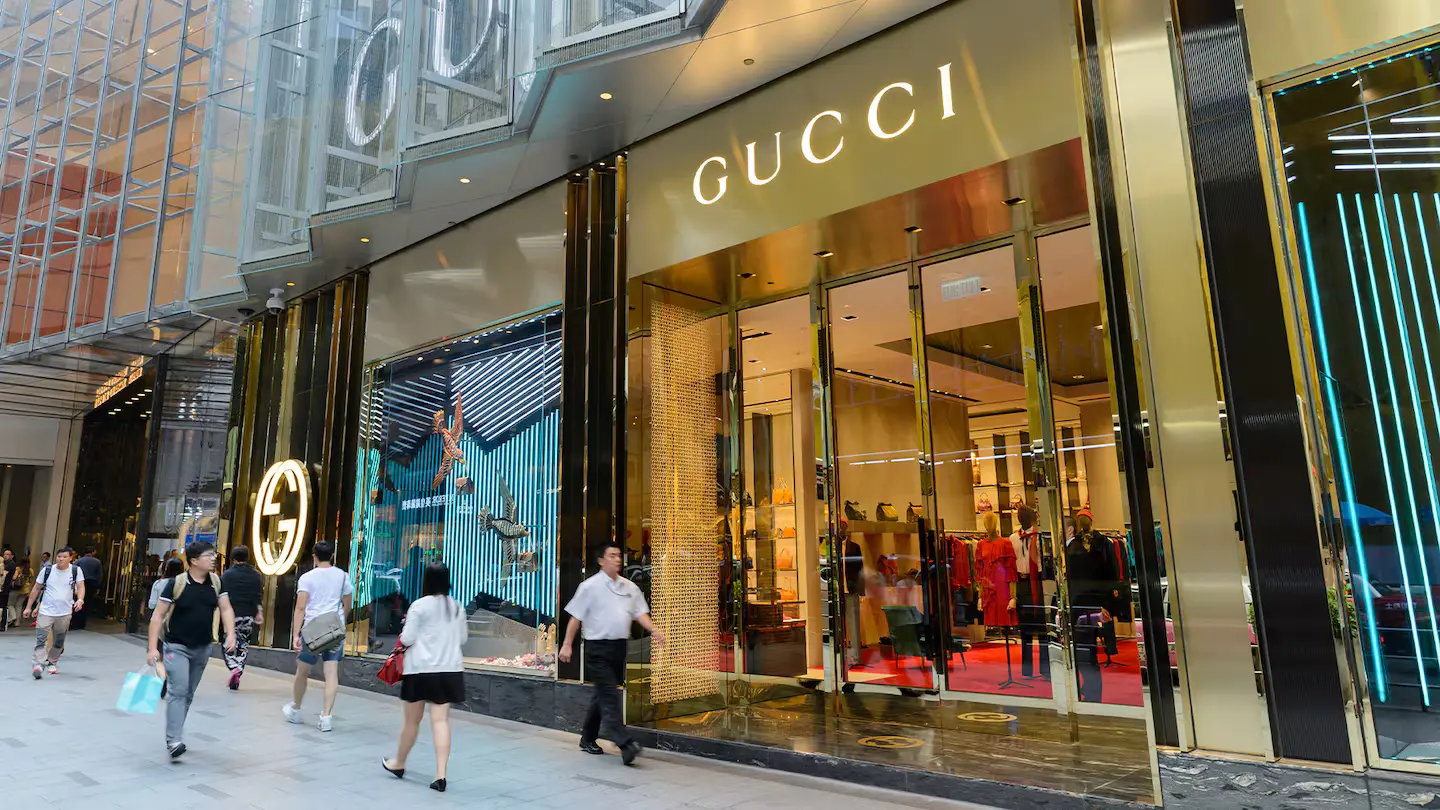
China's Luxury Slump: How Economic Woes Are Reshaping Global Brands
China’s Luxury Slump: How Economic Woes Are Reshaping Global Brands. (Photo Internet reproduction)
One-stop reference
Company Intelligence
Every listed company in Latin America — financials, ownership and structure for 1,450+ companies across 26 exchanges, in one place.
Browse the directory →
RT
Ask Rio Times
17 years of Latin America reporting, on demand.
Open the full Ask Rio Times →

Global sales of high-end personal products, including clothing, accessories, and beauty items, have been decelerating worldwide.

This trend is particularly pronounced in China, where economic uncertainty weighs heavily on affluent consumers. The stock prices of luxury conglomerates have experienced significant volatility this year.

LVMH and China’s Economic Impact

LVMH, owner of brands like Louis Vuitton and Christian Dior, has seen its shares fluctuate dramatically. Similar patterns have affected other luxury groups such as Kering, Hermès, and Richemont.

Analysts from Bank of America have noted a sense of fatigue among luxury consumers. They point to a deterioration in sales to China, which had been the primary growth driver in the first half of the year.

The third quarter of 2023 proved challenging for luxury brands. LVMH’s financial results for July to September were less than glamorous. Forecasts suggest this could be the worst quarter for the luxury sector in four years.

Bank of America estimates a 1% decline in organic sales year-over-year for the third quarter. The bank has also reduced its earnings per share estimates for the coming year by an average of 17%.

China’s economic challenges extend beyond the luxury market. The country is embroiled in trade disputes with the United States and Europe, primarily over electric vehicles.

While luxury goods are not the focus of these trade tensions, the overall economic climate affects consumer spending. Trajectry, a consultancy firm, predicts a 10% drop in luxury sales in China this year.

This figure is more pessimistic than earlier estimates of a 5% to 6% decline. The consultancy highlights widespread issues affecting various consumer segments.

Adapting to Economic Challenges

Despite these challenges, the long-term outlook for China’s luxury market remains cautiously optimistic. As the country’s economy stabilizes and consumer confidence returns, the luxury sector is expected to rebound.

Luxury brands are adapting their strategies to navigate this new landscape. They are focusing on digital innovation, product diversification, and localization efforts.

Brands that can successfully adapt to changing consumer preferences and economic conditions will likely emerge stronger. The current situation serves as a reminder of the interconnectedness of global markets.

While China’s slowdown presents challenges, it also offers opportunities for brands to innovate and refine their approaches to this crucial market.

This article was produced by The Rio Times’ automated newsroom system. How we use AI · Report an error

Read More from The Rio Times

The Rio Times · Power Map
See who really holds power in Latin America
Click to open the Power Map

Rotate for Best Experience

This report is optimized for landscape viewing. Rotate your phone for the full experience.