China’s carrot-and-stick approach towards the European Union (EU) over potential electric vehicle (EV) tariffs has sparked fears of a trade war.
The EU is investigating Chinese subsidies for EVs, raising tensions and preparing both sides for possible economic confrontations.
The EU launched an anti-subsidy investigation due to a rapid increase in Chinese EV imports.
These imports have already captured 8% of the European market. This share could double soon. France, advocating for interventionist policies, drove the investigation.
They aim to counter China’s perceived unfair competitive advantages. Germany, with its deep economic ties to China, fears retaliation, making the probe controversial.
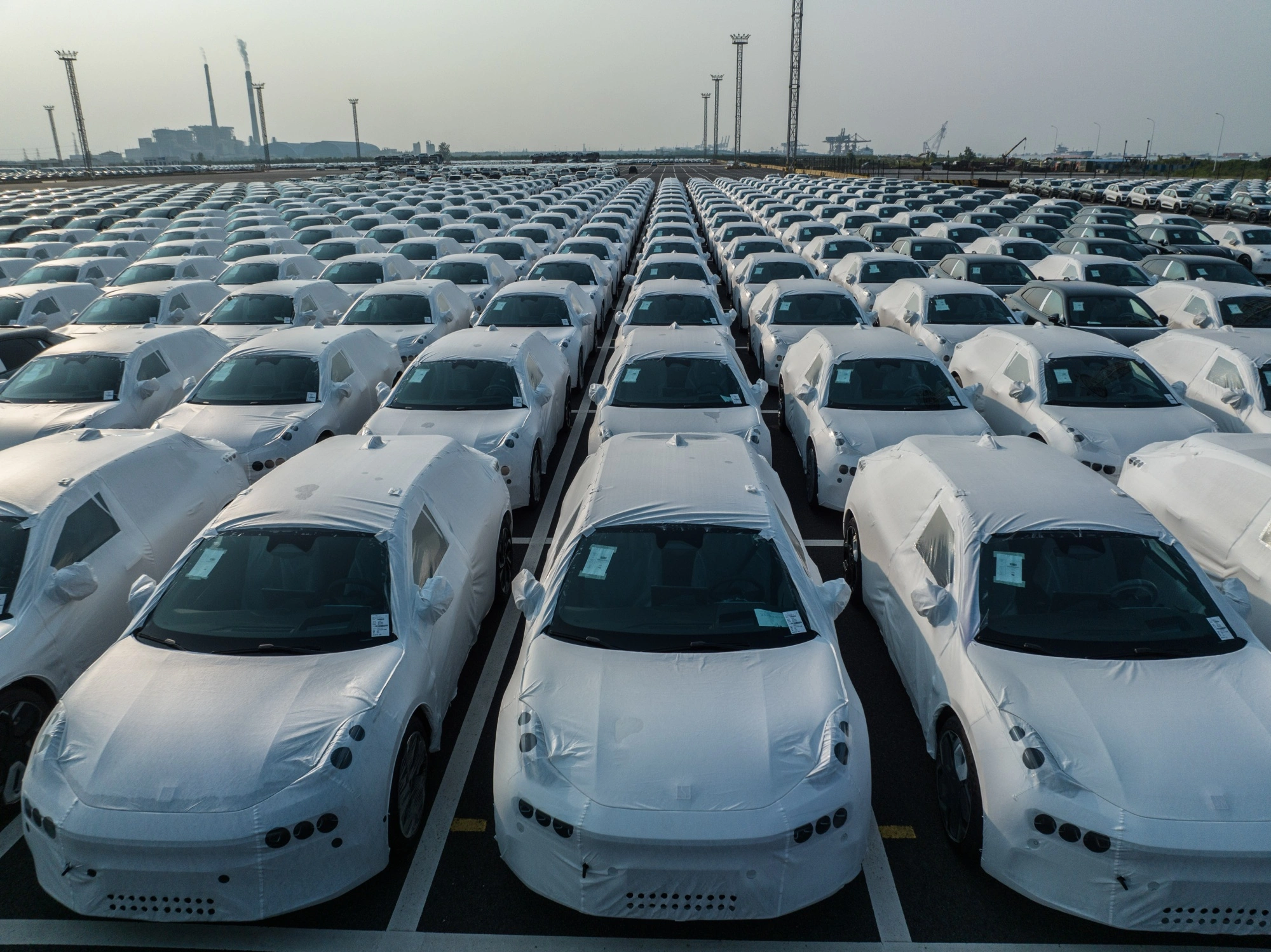
China responded with a mix of diplomacy and threats. Chinese ministers toured Europe, expressing a desire to resolve the trade row. However, they also warned of retaliatory measures.
Chinese state media emphasized negotiation, yet the Ministry of Commerce prepared for potential tariffs of up to 25% on European imports.
The stakes for the EU are high. European Commission President Ursula von der Leyen highlighted the risks of subsidized Chinese EVs. These could harm domestic manufacturers.
The proposed tariffs, ranging from 25% to 30%, aim to level the playing field. However, they risk significant backlash from China.
Germany stands to lose the most in a trade war. German automakers like Volkswagen, BMW, and Mercedes have significant manufacturing operations in China.
They rely heavily on the Chinese market. Retaliatory tariffs could severely impact these companies, leading to increased costs and disrupted supply chains.
Navigating Global Trade Tensions
The implications extend beyond the EU and China. The United States has already imposed high tariffs on Chinese goods, including EVs, leading to heightened tensions.
The EU’s actions are part of a broader trend of Western economies taking a firmer stance against Chinese economic policies. This could increase protectionism and strain global trade relations further.
The EU’s investigation into Chinese EV subsidies and the potential tariffs mark a pivotal moment in global trade.
Both the EU and China are balancing the protection of domestic industries with the risk of a damaging trade war.
The outcome of this dispute will significantly impact international economic relations and the future of the global EV market.
As the EU moves closer to a decision, the world watches. The repercussions will extend far beyond Europe and China.
This dispute underscores the delicate interplay between global economic policies and the fast-growing EV market.
Both sides seek to protect their interests while avoiding a full-scale trade conflict. The resolution of this issue is crucial for international trade stability.
This article was produced by The Rio Times’ automated newsroom system. How we use AI · Report an error · Editorial responsibility: Matthias Camenzind, Editor-in-Chief