IBOV 179,722.48 ▲ 1.30% IPSA 11,315.26 ▼ 1.14% IPC MEX 65,314.78 ▼ 0.18% MERVAL 3,049,455 ▲ 0.51% COLCAP 2,470.26 ▲ 1.86% BVL PERÚ 59,450.29 ▲ 0.11% USD/BRL5.15▼ 0.60% USD/MXN17.00▲ 0.04% USD/CLP936.45▲ 0.24% USD/COP3,155▼ 1.44% USD/PEN3.36▼ 0.17% USD/ARS1,513▲ 0.25% USD/UYU40.24▲ 0.68% USD/PYG5,873▲ 0.47% USD/BOB12.08▲ 3.98% USD/DOP58.56▲ 0.38% USD/CRC446.47▲ 1.09% USD/GTQ7.62▲ 1.63% USD/HNL26.84▲ 1.11% USD/NIO36.62▲ 0.14% USD/VES799.17▲ 0.23% USD/PAB1.00— 0.00% USD/BZD2.00— 0.00% USD/JMD 157.28 — 0.00% USD/TTD6.69▼ 0.06% EUR/BRL5.97▼ 0.67% BRENT 88.88 ▼ 0.03% WTI 83.11 ▼ 0.11% IRON ORE 161.91 — — COPPER 6.61 ▲ 0.03% GOLD 4,461 ▲ 1.78% SILVER 65.59 ▲ 1.26% SOY 1,184 ▲ 3.20% CORN 480.50 ▲ 10.02% WHEAT 655.00 ▲ 3.93% COFFEE 317.25 ▼ 5.51% SUGAR 16.43 ▼ 1.79% ORANGE JUICE 138.55 ▼ 0.47% COTTON 85.03 ▲ 2.33% COCOA 5,719 ▲ 3.18% BEEF 223.60 ▼ 3.93% CATTLE 339.10 ▼ 3.16% LITHIUM 75.20 ▲ 1.47% PETR4 41.64 ▼ 0.05% VALE3 72.97 ▲ 0.83% ITUB4 38.60 ▼ 1.03% BBDC4 16.85 ▲ 0.36% ABEV3 14.89 ▼ 0.80% BBAS3 19.37 ▲ 0.47% B3SA3 14.26 ▼ 0.21% WEGE3 47.59 ▲ 0.49% PRIO3 59.14 ▼ 0.19% SUZB3 41.33 ▲ 2.35% RENT3 34.68 ▼ 0.09% AZZA3 15.89 ▼ 2.63% CSAN3 3.22 ▼ 1.83% RAIZ4 0.25 — 0.00% PCAR3 2.75 ▼ 0.36% GMAT3 3.65 ▼ 1.08% PSSA3 48.13 ▼ 0.54% CVCB3 1.33 ▼ 2.92% POSI3 3.36 ▲ 2.44% SLCE3 13.34 ▲ 0.30% NATU3 8.14 ▼ 0.73% IBOV 179,722.48 ▲ 1.30% IPSA 11,315.26 ▼ 1.14% IPC MEX 65,314.78 ▼ 0.18% MERVAL 3,049,455 ▲ 0.51% COLCAP 2,470.26 ▲ 1.86% BVL PERÚ 59,450.29 ▲ 0.11% USD/BRL 5.16 ▲ 0.01% USD/MXN 17.06 ▼ 0.24% USD/CLP 913.98 ▲ 0.04% USD/COP 3,140 ▲ 0.03% USD/PEN 3.36 ▼ 0.66% USD/ARS 1,493 ▲ 0.10% USD/UYU 40.27 ▲ 1.24% USD/PYG 5,939 ▲ 1.68% USD/BOB 11.64 ▼ 0.76% USD/DOP 58.34 ▲ 1.25% USD/CRC 445.92 ▲ 0.89% USD/GTQ 7.62 ▲ 2.21% USD/HNL 26.79 ▲ 1.57% USD/NIO 36.62 ▲ 0.69% USD/VES 762.44 ▼ 0.13% USD/PAB 1.00 — 0.00% USD/BZD 2.00 — 0.00% USD/JMD 157.28 — 0.00% USD/TTD 6.70 ▲ 0.61% EUR/BRL 5.95 ▲ 1.01% BRENT 88.88 ▼ 0.03% WTI 83.11 ▼ 0.11% IRON ORE 161.91 — — COPPER 6.61 ▲ 0.03% GOLD 4,461 ▲ 1.78% SILVER 65.59 ▲ 1.26% SOY 1,184 ▲ 3.20% CORN 480.50 ▲ 10.02% WHEAT 655.00 ▲ 3.93% COFFEE 317.25 ▼ 5.51% SUGAR 16.43 ▼ 1.79% ORANGE JUICE 138.55 ▼ 0.47% COTTON 85.03 ▲ 2.33% COCOA 5,719 ▲ 3.18% BEEF 223.60 ▼ 3.93% CATTLE 339.10 ▼ 3.16% LITHIUM 75.20 ▲ 1.47% PETR4 41.64 ▼ 0.05% VALE3 72.97 ▲ 0.83% ITUB4 38.60 ▼ 1.03% BBDC4 16.85 ▲ 0.36% ABEV3 14.89 ▼ 0.80% BBAS3 19.37 ▲ 0.47% B3SA3 14.26 ▼ 0.21% WEGE3 47.59 ▲ 0.49% PRIO3 59.14 ▼ 0.19% SUZB3 41.33 ▲ 2.35% RENT3 34.68 ▼ 0.09% AZZA3 15.89 ▼ 2.63% CSAN3 3.22 ▼ 1.83% RAIZ4 0.25 — 0.00% PCAR3 2.75 ▼ 0.36% GMAT3 3.65 ▼ 1.08% PSSA3 48.13 ▼ 0.54% CVCB3 1.33 ▼ 2.92% POSI3 3.36 ▲ 2.44% SLCE3 13.34 ▲ 0.30% NATU3 8.14 ▼ 0.73%
since 2009
Wednesday, September 2, 2026

Chinese EV Makers Pivot to Mexico and Brazil Amid U.S. Tariffs

By · May 16, 2024 · 3 min read

Daily Brief

The morning intel from across Latin America. Free.

By subscribing you agree to our privacy policy. We never share your email.

Chinese electric vehicle (EV) manufacturers, including BYD, are rushing shipments to Mexico and Brazil. This move responds to impending U.S. tariff hikes and trade restrictions.

The U.S. has announced a 100% tariff on Chinese EVs starting in May. The rush began in March and will continue until June, significantly impacting shipping logistics.

Brazil reinstated tariffs on electric vehicles, which had been exempt since 2015. The tax, initially set at 10% in January, will rise to 18% in July and reach 35% by July 2026.

Consequently, shipping container prices for the China-Brazil route have surged. Costs now exceed $6,000, compared to $1,500 earlier this year.

BYD’s EV exports rose by over 150% in the first quarter of 2024, with 15,700 units shipped to Brazil.
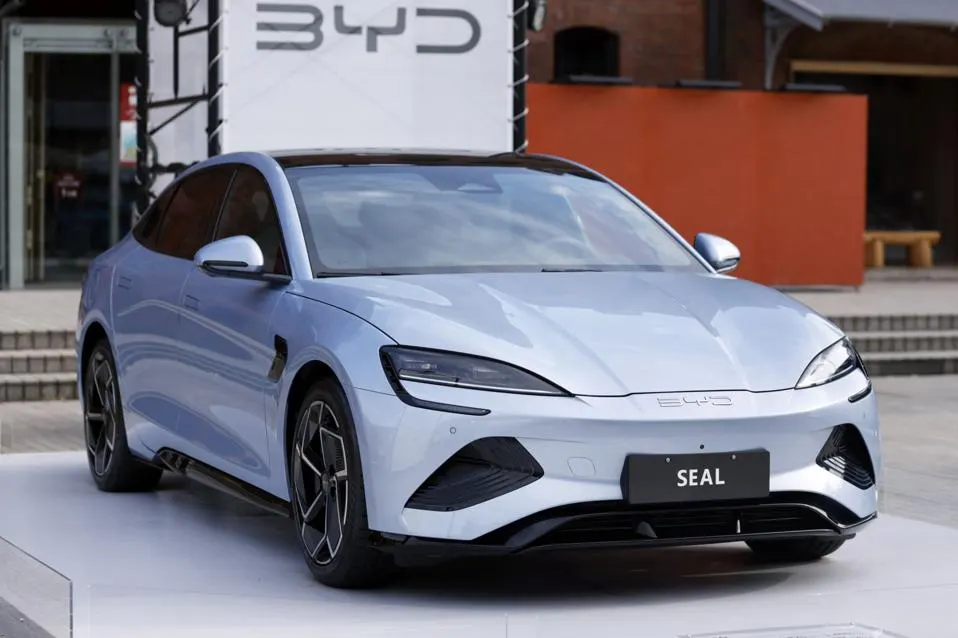
Chinese EV Makers Pivot to Mexico and Brazil Amid U.S. Tariffs
Chinese EV Makers Pivot to Mexico and Brazil Amid U.S. Tariffs. (Photo Internet reproduction)
One-stop reference
Company Intelligence
Every listed company in Latin America — financials, ownership and structure for 1,450+ companies across 26 exchanges, in one place.
Browse the directory →
RT
Ask Rio Times
17 years of Latin America reporting, on demand.
Open the full Ask Rio Times →

BYD is also fast-tracking the construction of a new plant in Brazil to meet booming local demand. Additionally, BYD plans to build a new factory in Mexico.

However, Mexico is under pressure from Washington to distance itself from Chinese automakers.

The Biden administration has hinted at further penalties if Chinese EV makers relocate production to Mexico to avoid U.S. tariffs.

Shipping costs from China to Mexico and Brazil have increased due to heightened demand.

The Shanghai Containerized Freight Index shows a 55.8% rise in freight prices from late January to late April.

This trend highlights the significant impact of Chinese EV export demand on shipping prices.

Europe is investigating Chinese EV subsidies and may impose tariffs by July. This probe, coupled with the U.S. tariffs, reflects a broader effort to curb the influence of Chinese EV makers.

Despite these challenges, Chinese automakers remain committed to expanding globally, focusing on markets more open to their vehicles.

The U.S. tariffs are part of a broader strategy to protect domestic carmakers and reduce reliance on Chinese imports.

However, this move limits U.S. consumers’ access to affordable, high-quality Chinese EVs. For example, BYD offers models in China at significantly lower prices than comparable U.S. models.

Chinese Automakers Expand Global Footprint

Chinese automakers aim to establish factories abroad, such as BYD’s new plants in Brazil, Hungary, Thailand, and Uzbekistan.

They are also considering a factory in Mexico. This strategy allows them to navigate trade barriers and reach international markets.

The geopolitical landscape is shifting as China and Russia strengthen their ties.

Chinese President Xi Jinping and Russian President Vladimir Putin recently met in Beijing to discuss expanding economic cooperation.

This partnership is crucial amid the ongoing Ukraine conflict and Western sanctions on Russia.

In conclusion, Chinese EV makers are rapidly adjusting their strategies to navigate new U.S. tariffs and expand their global footprint.

The focus on Mexico and Brazil highlights their efforts to circumvent trade barriers and reach new markets.

This development underscores the complex interplay of global trade, politics, and the evolving automotive industry.

Key Facts

Deep Dive

For the complete picture, read our in-depth guide: Mexico Economy 2026: GDP, Peso, Nearshoring, Banxico and Trade

This article was produced by The Rio Times’ automated newsroom system. How we use AI · Report an error

Read More from The Rio Times

The Rio Times · Power Map
See who really holds power in Latin America
Click to open the Power Map

Rotate for Best Experience

This report is optimized for landscape viewing. Rotate your phone for the full experience.