Chile’s Foreign Workforce Unemployment Climbs to 8% in Late 2024
Chile’s National Statistics Institute (INE) reported an 8% unemployment rate among foreign residents during October-December 2024, marking a 1.1-point annual increase as economic pressures reshape labor dynamics.
Nearly 1.9 million migrants now reside in the country—a 46.8% surge since 2018—with Venezuelans, Peruvians, and Colombians comprising over 60% of this population.
Manufacturing, construction, and agriculture sectors drove the downturn, shedding 18.9%, 18.4%, and 19.3% of migrant workers respectively. Self-employed individuals faced the sharpest blow, with nearly 10% losing income streams.
Women bore disproportionate impacts, their unemployment spiking 4.7 points to 12.6%, while male joblessness dipped 1.9 points to 4%. Labor force participation slid to 80.7% as informal employment—a critical lifeline—contracted by 2.3 points to 29.5%.
This decline pushed 9.9% of informal workers out of the market. Analysts note declining opportunities in traditionally migrant-heavy industries coincide with tightened credit policies and reduced small-business subsidies introduced in late 2023.
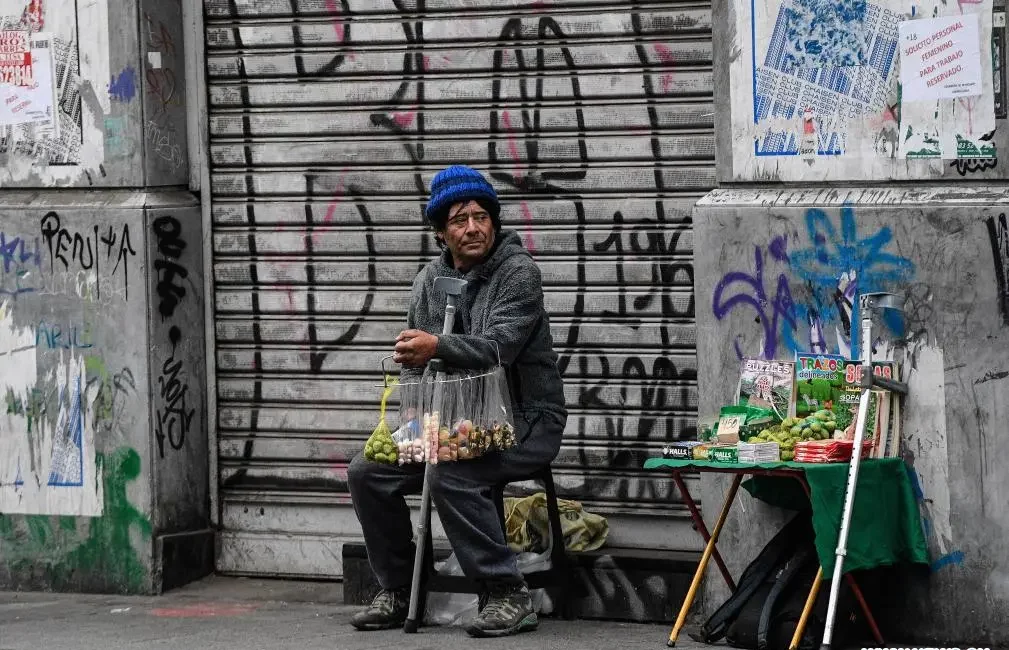
The figures expose diverging realities: skilled male migrants adapt faster to Chile’s tech-driven service expansion, while female-dominated sectors like domestic work and retail stall.
Workforce integration hurdles persist despite migrants comprising 9.8% of Chile’s population, up from 7.1% six years prior. Policy debates center on balancing labor market flexibility with credential recognition reforms.
Currently, 34% of employed migrants hold tertiary education that remains unused in their roles. Market observers stress self-reliance trends, with migrant-led startups growing 14% annually despite headwinds.
“Regulatory agility determines whether newcomers thrive or just survive,” notes Santiago Economic Institute director Marco Fernández. As automation accelerates, adaptability increasingly separates success stories from statistical casualties.
More: Chile news in English, every day from The Rio Times.
This article was produced by The Rio Times’ automated newsroom system. How we use AI · Report an error · Editorial responsibility: Matthias Camenzind, Editor-in-Chief