Canada’s NATO Path Needs US$112 Billion by 2035

CANADA · ANALYSIS
Key Facts
- —What is happening The Parliamentary Budget Officer (PBO), Canada’s independent budget watchdog, says the NATO 5% pledge means core defence spending of C$159 billion (about US$112 billion) in 2035-36.
- —Why it matters The PBO puts the extra deficit at C$63 billion (about US$44 billion) in that year, and the plan is a large, long-term procurement stream for US suppliers.
- —The numbers A C$68.2 billion (about US$48 billion) gap over a 2%-of-GDP baseline in 2035-36, or about C$33.5 billion (US$24 billion) more a year on average over ten years.
- —Who is who Prime Minister Mark Carney’s government made the pledge, David J. McGuinty is Minister of National Defence, and François-Philippe Champagne is Finance Minister.
- —What to watch Multi-year defence appropriations, contract awards through the Defence Investment Agency, and the PBO’s next update on the fiscal plan.
- —What it means for you US defence suppliers may gain from Canadian orders, but Ottawa wants Canadian industry to share the work.
Canada’s promise to spend 5% of its economy on defence by 2035 is now a priced budget item. Parliament’s independent budget watchdog says it would take about C$159 billion (US$112 billion) of core defence spending in 2035-36 and widen that year’s deficit by C$63 billion (US$44 billion).
Canada is the United States’ closest defence partner and a founding NATO member. This analysis explains what the pledge costs, who pays, and what it means for US investors and suppliers, building on our USA & Canada Intelligence Brief.
How Canada Got to the 5% Pledge
At the NATO summit in The Hague on 25 June 2025, allies agreed to invest 5% of GDP a year on defence by 2035. The pledge splits into 3.5% for core defence needs and up to 1.5% for related security spending such as infrastructure and resilience.
Canada joined that pledge under Prime Minister Mark Carney, and NATO data released on 26 March 2026 showed Canada had met the alliance’s earlier 2% benchmark. The hard part is the next step, lifting core spending from about 2% of GDP to 3.5% within a decade.
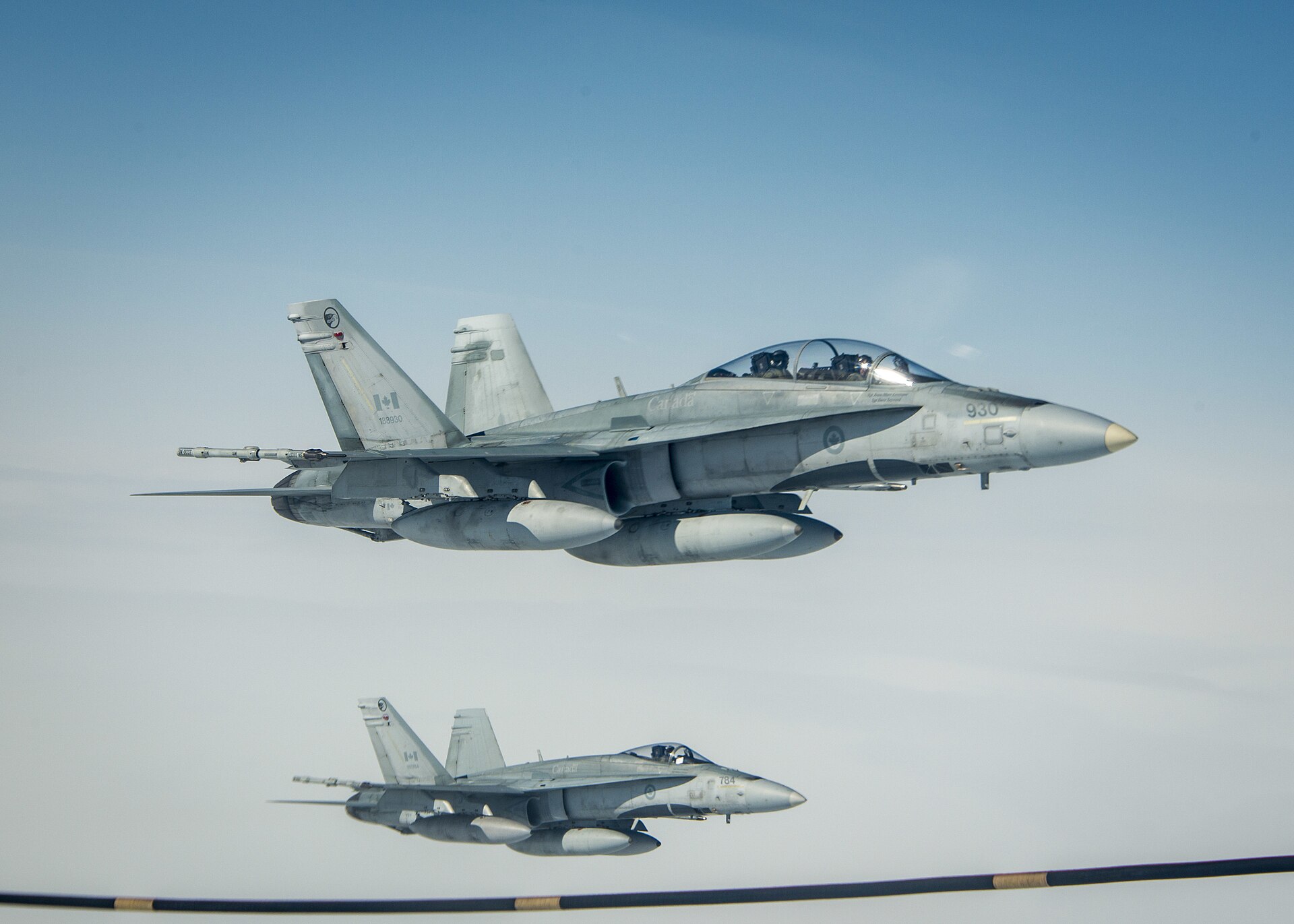
What the Budget Watchdog Calculated
The PBO published its costing on 5 February 2026. It assumes core defence spending rises in equal yearly steps from 2.0% of GDP in 2025-26 to 3.5% in 2035-36.
This is a scenario, not a government plan, because Ottawa has not published detailed long-term projections. The government says the extra 1.5% is expected to be met under current planned spending, and the PBO holds it flat at 1.5% of GDP.
- Core defence spending would reach about C$159 billion (US$112 billion) in 2035-36 on a cash basis.
- That is C$68.2 billion (US$48 billion) more than if spending stayed at 2% of GDP.
- The path needs about C$33.5 billion (US$24 billion) more cash spending a year on average over ten years.
- The deficit would be about C$63 billion (US$44 billion) larger in 2035-36, or 1.4 percentage points of GDP.
- The federal debt-to-GDP ratio would be 6.3 percentage points higher by 2035-36.
The PBO measures spending on a cash basis, as NATO does, then converts it to an accrual basis for the budget balance. A fast rise in equipment purchases lifts cash spending quickly, while the accounting expense shows up more gradually.
US$ values use the 8 October 2026 EODHD rate of about 1.42 Canadian dollars per US dollar, applied to the PBO’s future-dated figures. The conversion is indicative only.
Who Is Responsible
Budget 2025, introduced on 4 November 2025, proposed C$81.8 billion (about US$58 billion) over five years to rebuild and rearm the Canadian Armed Forces. That money is part of the government’s stated path toward the pledge.
David J. McGuinty has been Minister of National Defence since 13 May 2025, and François-Philippe Champagne is Minister of Finance. Between them they must decide how much of the extra spending is paid for by borrowing, new revenue or cuts elsewhere.
The government launched the Defence Investment Agency on 2 October 2025 to speed up procurement. Doug Guzman, a former deputy chair of RBC, was appointed its chief executive in November 2025, and its record on delivery will test whether money turns into capability.
The Business Stakes for US Suppliers
Canada’s likely shopping list covers areas where US firms already compete, including air defence, surveillance, communications, cyber and munitions. In our assessment, shared systems and the joint US-Canadian NORAD air-defence command give US suppliers an interoperability advantage.
Ottawa also wants more of the work done in Canada, so contracts may carry local-content or industrial-benefit conditions. US firms should expect to partner with Canadian companies or share technology to win large orders.
What It Means for US Readers and Investors
For investors in US defence and aerospace companies, the pledge points to years of steady Canadian demand rather than one large order. The C$33.5 billion (about US$24 billion) average yearly increase will arrive as many separate contracts across air, sea, land, cyber and space.
For US policymakers, Canada is a test of whether the 5% pledge can survive domestic budget politics. If a wealthy G7 economy struggles to pay for it, smaller allies will find it harder still.
For Canadian taxpayers and businesses, the extra deficit competes with health care, housing and other federal priorities. Readers who follow Canadian bonds or the Canadian dollar should watch how Ottawa chooses to finance the build-up.
What Is Not Known
Ottawa has not published a detailed long-term plan, so yearly spending, the mix of projects and the financing strategy are all still open. The PBO figures are an estimate of what a gradual path would require, not a forecast of what the government will approve.
It is also unclear which projects will count toward the 1.5% related-spending bucket. Disputes over dual-use airports, ports and telecoms could let Canada meet the number without matching gains in military capability.
What to Watch
The next federal budget is a natural place to look for multi-year defence appropriations rather than headline targets. Readers should compare any new figures with the PBO’s C$63 billion deficit estimate.
Major contract awards in aircraft, air defence, ships and cyber will show whether spending becomes delivered capability. Announcements from the Defence Investment Agency will show how quickly procurement moves.
Frequently Asked Questions
What is Canada’s NATO defence spending target?
Canada has joined NATO’s pledge to spend 5% of GDP a year on defence by 2035, agreed at The Hague on 25 June 2025. It includes 3.5% for core defence and up to 1.5% for related security investment.
How much would the NATO target add to Canada’s deficit?
The PBO estimates the extra core defence spending would add about C$63 billion (US$44 billion) to the 2035-36 deficit, or 1.4 percentage points of GDP. The federal debt-to-GDP ratio would be 6.3 percentage points higher by then.
How much would Canada spend on core defence in 2035-36?
The PBO estimates about C$159 billion (US$112 billion) on a cash basis. That is C$68.2 billion (US$48 billion) more than keeping spending at 2% of GDP.
What does it mean for US defence companies?
Canada may buy more air defence, surveillance, communications and cyber systems, areas where US firms are strong. Ottawa is also likely to ask for Canadian industrial participation, so partnerships may be needed.
Is this an official government spending plan?
No. It is a PBO scenario with equal yearly increases, because the government has not published detailed long-term projections.
Sources: pbo-dpb.ca, Fiscal Implications of Meeting NATO’s 5% Commitment, pbo-dpb.ca, PBO news release, nato.int, The Hague Summit Declaration, pm.gc.ca, Canada joins NATO defence investment pledge, pm.gc.ca, Defence Investment Agency launch, canada.ca, Minister McGuinty, BNN Bloomberg, 2% target met. Retrieved 8 October 2026.
This article was produced by The Rio Times’ automated newsroom system. How we use AI · Report an error · Editorial responsibility: Matthias Camenzind, Editor-in-Chief