Brazil has the potential to expand its soybean cultivation area by up to 80%, according to a study by Serasa Experian.
Released on Wednesday, the study identified 36.6 million hectares of pastureland suitable for soybean farming, free from recent deforestation.
This comes as consumers increasingly pressure agriculture to avoid deforested lands.
Brazil, already the world’s largest soybean producer and exporter, currently cultivates nearly 46 million hectares of soybeans.
The country could add around 12 million hectares in the next decade if projections by the Ministry of Agriculture hold true.
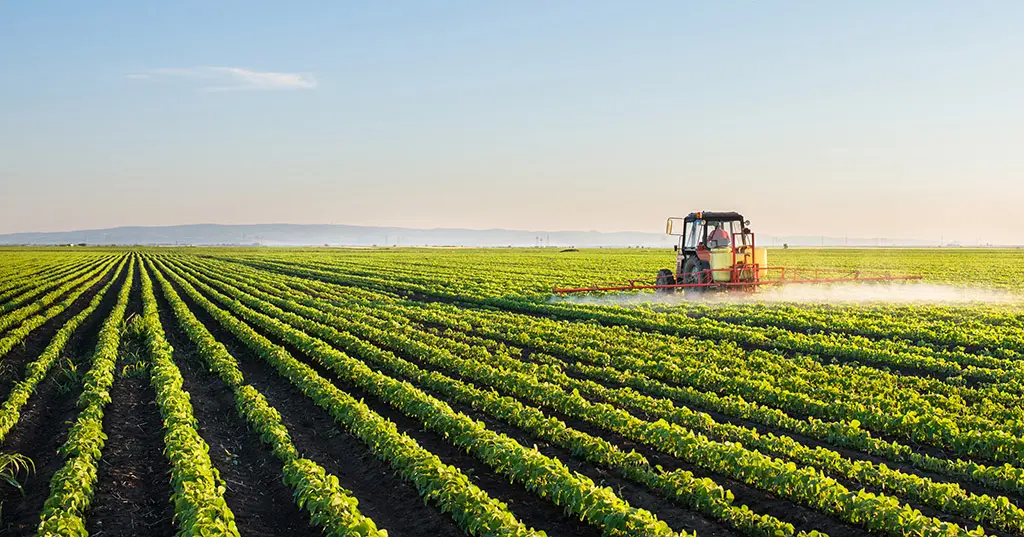
This expansion would use only a third of the suitable pastureland identified.
The pasturelands, not subject to upcoming European Union restrictions on products from deforested areas post-2020, offer a viable path for sustainable growth.
These lands provide a way for Brazil to increase production while adhering to environmental standards.
Joel Risso, Director of New Agrobusiness at Serasa Experian, emphasized that using these areas could help Brazil meet global demands without further deforestation.
The availability of suitable pastureland varies across Brazil‘s regions. The Cerrado biome has 17.6 million hectares of pastureland, with 6.1 million hectares severely degraded.
The Pampa biome has the highest proportion of non-degraded pastureland, with 52% of its 3.1 million hectares in good condition.
The Amazon biome includes 11.9 million hectares, with varying degrees of degradation.
Expanding Soybean Farming in Brazil
Among Brazilian states, Pará boasts the largest area of non-degraded pastureland suitable for soybean farming, with 1.7 million hectares.
Mato Grosso do Sul has the most overall available pastureland, around 6 million hectares, though much of it is degraded.
Addressing these different levels of degradation will require tailored investments for conversion to soybean farming.
In addition, Risso noted that evaluating pastureland degradation helps define investment needs.
Conversion costs range from R$5,000 per hectare in less degraded areas to over R$6,000 in severely degraded regions.
An estimated R$ 60 billion investment, mostly from credit lines, would be needed for the projected 12 million hectare expansion over ten years.
However, this study aims to guide banks and the financial sector in offering credit to rural producers.
By using suitable pasturelands, Brazil can expand its soybean production sustainably, meeting global demands and adhering to environmental protocols.
This approach ensures that growth does not come at the expense of Brazil’s forests, aligning agricultural expansion with environmental conservation.
More: Brazil news in English, every day from The Rio Times.
This article was produced by The Rio Times’ automated newsroom system. How we use AI · Report an error · Editorial responsibility: Matthias Camenzind, Editor-in-Chief