IBOV 177,583.27 ▲ 1.09% IPSA 11,347.98 ▼ 0.86% IPC MEX 65,048.39 ▼ 0.67% MERVAL 2,999,080 ▲ 0.66% COLCAP 2,467.23 ▲ 0.38% BVL PERÚ 59,928.30 ▼ 0.14% USD/BRL5.18▼ 0.27% USD/MXN16.99▼ 0.25% USD/CLP932.56▲ 0.12% USD/COP3,222▲ 0.69% USD/PEN3.36▲ 0.34% USD/ARS1,509▼ 0.25% USD/UYU40.29▲ 0.05% USD/PYG5,892▼ 0.13% USD/BOB11.84▲ 0.51% USD/DOP58.64▲ 0.05% USD/CRC446.47▼ 0.04% USD/GTQ7.62▼ 0.02% USD/HNL26.84— 0.00% USD/NIO36.62— 0.00% USD/VES793.00▼ 0.13% USD/PAB1.00— 0.00% USD/BZD2.00— 0.00% USD/JMD 157.28 — 0.00% USD/TTD6.69▼ 0.37% EUR/BRL6.02▼ 0.22% BRENT 88.88 ▼ 0.03% WTI 83.11 ▼ 0.11% IRON ORE 161.91 — — COPPER 6.61 ▲ 0.03% GOLD 4,461 ▲ 1.78% SILVER 65.59 ▲ 1.26% SOY 1,184 ▲ 3.20% CORN 480.50 ▲ 10.02% WHEAT 655.00 ▲ 3.93% COFFEE 317.25 ▼ 5.51% SUGAR 16.43 ▼ 1.79% ORANGE JUICE 138.55 ▼ 0.47% COTTON 85.03 ▲ 2.33% COCOA 5,719 ▲ 3.18% BEEF 223.60 ▼ 3.93% CATTLE 339.10 ▼ 3.16% LITHIUM 75.20 ▲ 1.47% PETR4 41.64 ▼ 0.05% VALE3 72.97 ▲ 0.83% ITUB4 38.60 ▼ 1.03% BBDC4 16.85 ▲ 0.36% ABEV3 14.89 ▼ 0.80% BBAS3 19.37 ▲ 0.47% B3SA3 14.26 ▼ 0.21% WEGE3 47.59 ▲ 0.49% PRIO3 59.14 ▼ 0.19% SUZB3 41.33 ▲ 2.35% RENT3 34.68 ▼ 0.09% AZZA3 15.89 ▼ 2.63% CSAN3 3.22 ▼ 1.83% RAIZ4 0.25 — 0.00% PCAR3 2.75 ▼ 0.36% GMAT3 3.65 ▼ 1.08% PSSA3 48.13 ▼ 0.54% CVCB3 1.33 ▼ 2.92% POSI3 3.36 ▲ 2.44% SLCE3 13.34 ▲ 0.30% NATU3 8.14 ▼ 0.73% IBOV 177,583.27 ▲ 1.09% IPSA 11,347.98 ▼ 0.86% IPC MEX 65,048.39 ▼ 0.67% MERVAL 2,999,080 ▲ 0.66% COLCAP 2,467.23 ▲ 0.38% BVL PERÚ 59,928.30 ▼ 0.14% USD/BRL 5.16 ▲ 0.01% USD/MXN 17.06 ▼ 0.24% USD/CLP 913.98 ▲ 0.04% USD/COP 3,140 ▲ 0.03% USD/PEN 3.36 ▼ 0.66% USD/ARS 1,493 ▲ 0.10% USD/UYU 40.27 ▲ 1.24% USD/PYG 5,939 ▲ 1.68% USD/BOB 11.64 ▼ 0.76% USD/DOP 58.34 ▲ 1.25% USD/CRC 445.92 ▲ 0.89% USD/GTQ 7.62 ▲ 2.21% USD/HNL 26.79 ▲ 1.57% USD/NIO 36.62 ▲ 0.69% USD/VES 762.44 ▼ 0.13% USD/PAB 1.00 — 0.00% USD/BZD 2.00 — 0.00% USD/JMD 157.28 — 0.00% USD/TTD 6.70 ▲ 0.61% EUR/BRL 5.95 ▲ 1.01% BRENT 88.88 ▼ 0.03% WTI 83.11 ▼ 0.11% IRON ORE 161.91 — — COPPER 6.61 ▲ 0.03% GOLD 4,461 ▲ 1.78% SILVER 65.59 ▲ 1.26% SOY 1,184 ▲ 3.20% CORN 480.50 ▲ 10.02% WHEAT 655.00 ▲ 3.93% COFFEE 317.25 ▼ 5.51% SUGAR 16.43 ▼ 1.79% ORANGE JUICE 138.55 ▼ 0.47% COTTON 85.03 ▲ 2.33% COCOA 5,719 ▲ 3.18% BEEF 223.60 ▼ 3.93% CATTLE 339.10 ▼ 3.16% LITHIUM 75.20 ▲ 1.47% PETR4 41.64 ▼ 0.05% VALE3 72.97 ▲ 0.83% ITUB4 38.60 ▼ 1.03% BBDC4 16.85 ▲ 0.36% ABEV3 14.89 ▼ 0.80% BBAS3 19.37 ▲ 0.47% B3SA3 14.26 ▼ 0.21% WEGE3 47.59 ▲ 0.49% PRIO3 59.14 ▼ 0.19% SUZB3 41.33 ▲ 2.35% RENT3 34.68 ▼ 0.09% AZZA3 15.89 ▼ 2.63% CSAN3 3.22 ▼ 1.83% RAIZ4 0.25 — 0.00% PCAR3 2.75 ▼ 0.36% GMAT3 3.65 ▼ 1.08% PSSA3 48.13 ▼ 0.54% CVCB3 1.33 ▼ 2.92% POSI3 3.36 ▲ 2.44% SLCE3 13.34 ▲ 0.30% NATU3 8.14 ▼ 0.73%
since 2009
Monday, August 31, 2026

Brazil’s Military Gets a Budget Lifeline—But at What Cost?

By · November 4, 2025 · 3 min read

Daily Brief

The morning intel from across Latin America. Free.

By subscribing you agree to our privacy policy. We never share your email.

Brazil just made a bold move: it will spend $600 million (R$3 billion) on its military next year without counting it against the country’s strict budget rules.

The decision, overwhelmingly approved by Congress, reveals both the urgent need to modernize the armed forces and the government’s growing habit of bending fiscal discipline when it suits its goals.

The money will fund critical projects—nuclear submarines, fighter jets, armored vehicles, and border security—all areas where Brazil has fallen dangerously behind.

For years, budget cuts have left the military struggling, with equipment aging and key programs stalled. Now, with rising threats from drug trafficking, illegal mining, and regional instability, lawmakers from across the political spectrum agreed: defense can’t wait.

But here’s the catch. The government, led by President Lula, has a history of making exceptions to its own budget rules. Since 2023, over $28 billion in spending has been excluded from fiscal targets, a tactic critics call “budgetary sleight of hand.”

While the new law ensures funds go to long-term investments, not salaries or operating costs, it still raises concerns. If every priority gets a pass, what’s left of fiscal responsibility?
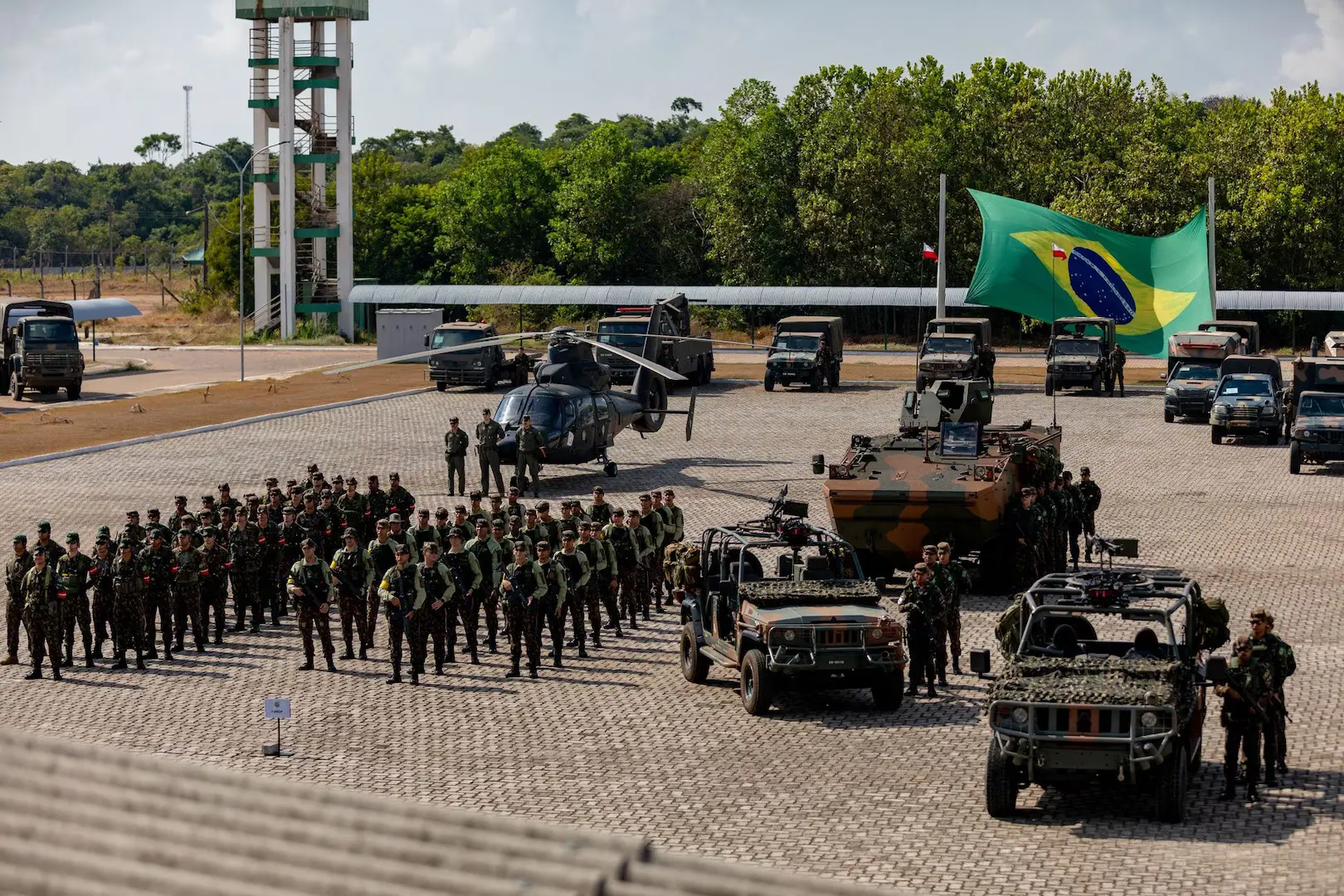
Brazil’s Military Gets a Budget Lifeline—But at What Cost? (Photo Internet reproduction)
One-stop reference
Company Intelligence
Every listed company in Latin America — financials, ownership and structure for 1,450+ companies across 26 exchanges, in one place.
Browse the directory →
RT
Ask Rio Times
17 years of Latin America reporting, on demand.
Open the full Ask Rio Times →

The bill’s success shows how seriously Brazil takes its security. The military, a respected institution, has long warned that underfunding weakens the country’s ability to protect its borders and assert its influence.

The law’s five-year timeline gives much-needed stability to defense planning, something rare in Brazil’s often chaotic political landscape.

Yet the move also exposes a deeper issue. The government, facing pressure to control spending, keeps finding ways to spend more—without calling it spending. For outsiders, this might seem like smart flexibility.

For economists, it’s a red flag. If Brazil keeps stretching its budget rules, investors may lose trust, and the country’s already shaky finances could worsen.

What makes this story fascinating is the rare unity behind it. In a deeply divided Congress, defense is one of the few issues that bring rivals together.

The military’s influence, strengthened in recent years, helped push the bill through with minimal opposition. Even lawmakers who usually clash with the government lined up in support, proving that when it comes to national security, politics takes a backseat.

For expats and foreigners watching Brazil, this is a moment to pay attention. The country is balancing two powerful forces: the need to modernize its defenses and the risk of undermining its economic credibility.

The military gets its funding, but the bill adds another layer to Brazil’s reputation for creative financial management.

The bigger question? Can Brazil afford to keep making exceptions? The answer will shape not just its defense capabilities, but its economic future.

For now, the message is clear: when it comes to security, Brazil is willing to break its own rules. Whether that’s a sign of strength or a warning sign remains to be seen.

This article was produced by The Rio Times’ automated newsroom system. How we use AI · Report an error

Read More from The Rio Times

The Rio Times · Power Map
See who really holds power in Latin America
Click to open the Power Map

Rotate for Best Experience

This report is optimized for landscape viewing. Rotate your phone for the full experience.