IBOV 205,835.29 ▼ 0.52% IPSA 11,164.13 ▲ 0.35% IPC MEX 64,975.08 ▲ 0.69% MERVAL 2,896,853 ▲ 0.95% COLCAP 2,589.04 ▲ 0.25% BVL PERÚ 60,220.93 ▲ 0.91% USD/BRL4.97▼ 0.47% USD/MXN17.96▼ 0.68% USD/CLP971.85▼ 0.08% USD/COP3,228▲ 1.07% USD/PEN3.44▼ 0.17% USD/ARS1,520— 0.00% USD/UYU40.09▲ 2.87% USD/PYG5,835▲ 3.25% USD/BOB11.90▲ 2.31% USD/DOP60.36▲ 4.52% USD/CRC454.50▲ 2.57% USD/GTQ7.64▲ 3.36% USD/HNL26.86▲ 3.49% USD/NIO36.62▲ 2.96% USD/VES871.68▲ 0.04% USD/PAB1.00— 0.00% USD/BZD2.00— 0.00% USD/JMD 157.28 — 0.00% USD/TTD6.68▲ 1.99% EUR/BRL5.61▼ 4.48% BRENT 88.88 ▼ 0.03% WTI 83.11 ▼ 0.11% IRON ORE 161.91 — — COPPER 6.61 ▲ 0.03% GOLD 4,461 ▲ 1.78% SILVER 65.59 ▲ 1.26% SOY 1,184 ▲ 3.20% CORN 480.50 ▲ 10.02% WHEAT 655.00 ▲ 3.93% COFFEE 317.25 ▼ 5.51% SUGAR 16.43 ▼ 1.79% ORANGE JUICE 138.55 ▼ 0.47% COTTON 85.03 ▲ 2.33% COCOA 5,719 ▲ 3.18% BEEF 223.60 ▼ 3.93% CATTLE 339.10 ▼ 3.16% LITHIUM 75.20 ▲ 1.47% PETR4 41.64 ▼ 0.05% VALE3 72.97 ▲ 0.83% ITUB4 38.60 ▼ 1.03% BBDC4 16.85 ▲ 0.36% ABEV3 14.89 ▼ 0.80% BBAS3 19.37 ▲ 0.47% B3SA3 14.26 ▼ 0.21% WEGE3 47.59 ▲ 0.49% PRIO3 59.14 ▼ 0.19% SUZB3 41.33 ▲ 2.35% RENT3 34.68 ▼ 0.09% AZZA3 15.89 ▼ 2.63% CSAN3 3.22 ▼ 1.83% RAIZ4 0.25 — 0.00% PCAR3 2.75 ▼ 0.36% GMAT3 3.65 ▼ 1.08% PSSA3 48.13 ▼ 0.54% CVCB3 1.33 ▼ 2.92% POSI3 3.36 ▲ 2.44% SLCE3 13.34 ▲ 0.30% NATU3 8.14 ▼ 0.73% IBOV 205,835.29 ▼ 0.52% IPSA 11,164.13 ▲ 0.35% IPC MEX 64,975.08 ▲ 0.69% MERVAL 2,896,853 ▲ 0.95% COLCAP 2,589.04 ▲ 0.25% BVL PERÚ 60,220.93 ▲ 0.91% USD/BRL 5.16 ▲ 0.01% USD/MXN 17.06 ▼ 0.24% USD/CLP 913.98 ▲ 0.04% USD/COP 3,140 ▲ 0.03% USD/PEN 3.36 ▼ 0.66% USD/ARS 1,493 ▲ 0.10% USD/UYU 40.27 ▲ 1.24% USD/PYG 5,939 ▲ 1.68% USD/BOB 11.64 ▼ 0.76% USD/DOP 58.34 ▲ 1.25% USD/CRC 445.92 ▲ 0.89% USD/GTQ 7.62 ▲ 2.21% USD/HNL 26.79 ▲ 1.57% USD/NIO 36.62 ▲ 0.69% USD/VES 762.44 ▼ 0.13% USD/PAB 1.00 — 0.00% USD/BZD 2.00 — 0.00% USD/JMD 157.28 — 0.00% USD/TTD 6.70 ▲ 0.61% EUR/BRL 5.95 ▲ 1.01% BRENT 88.88 ▼ 0.03% WTI 83.11 ▼ 0.11% IRON ORE 161.91 — — COPPER 6.61 ▲ 0.03% GOLD 4,461 ▲ 1.78% SILVER 65.59 ▲ 1.26% SOY 1,184 ▲ 3.20% CORN 480.50 ▲ 10.02% WHEAT 655.00 ▲ 3.93% COFFEE 317.25 ▼ 5.51% SUGAR 16.43 ▼ 1.79% ORANGE JUICE 138.55 ▼ 0.47% COTTON 85.03 ▲ 2.33% COCOA 5,719 ▲ 3.18% BEEF 223.60 ▼ 3.93% CATTLE 339.10 ▼ 3.16% LITHIUM 75.20 ▲ 1.47% PETR4 41.64 ▼ 0.05% VALE3 72.97 ▲ 0.83% ITUB4 38.60 ▼ 1.03% BBDC4 16.85 ▲ 0.36% ABEV3 14.89 ▼ 0.80% BBAS3 19.37 ▲ 0.47% B3SA3 14.26 ▼ 0.21% WEGE3 47.59 ▲ 0.49% PRIO3 59.14 ▼ 0.19% SUZB3 41.33 ▲ 2.35% RENT3 34.68 ▼ 0.09% AZZA3 15.89 ▼ 2.63% CSAN3 3.22 ▼ 1.83% RAIZ4 0.25 — 0.00% PCAR3 2.75 ▼ 0.36% GMAT3 3.65 ▼ 1.08% PSSA3 48.13 ▼ 0.54% CVCB3 1.33 ▼ 2.92% POSI3 3.36 ▲ 2.44% SLCE3 13.34 ▲ 0.30% NATU3 8.14 ▼ 0.73%
since 2009
Tuesday, October 6, 2026

Brazilian exports are exposed to trade barriers in the European Union, China, and Argentina – CNI

By · April 26, 2023 · 2 min read

By Victor Moraes

The National Confederation of Industry (CNI) annual report indicates that half of the Brazilian exports to China, the European Union, and Argentina are exposed to trade barriers.

Of the US$155 billion exported to these destinations, more than US$78 billion are exposed to barriers.

Joelson Sampaio, Ph.D. in economic theory from the University of São Paulo (USP), explains that this figure represents 26% of the total value exported by Brazil last year.
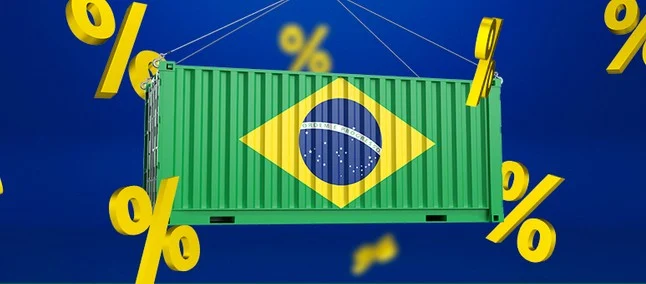
The main barriers identified include sanitary, technical regulations, taxes, import licensing, and sustainability
RT
Ask Rio Times
17 years of Latin America reporting, on demand.
Open the full Ask Rio Times →

“In 2022, of the US$155 billion in exports, more than half passed through some kind of barrier, the main ones being in the European Union, China, and Argentina, Brazil’s major trading partners.”

This ends up impacting the balance of trade and the result of companies that tend to deal with these barriers,” he explains.

The LatAm Brief

One email, every weekday morning. What moved in Latin American markets, politics and expat life.

Yesterday’s subject line: “Brazil stocks jump 7.7%, real up 4%, after the vote”

Free. We send a confirmation link first — nothing arrives until you click it. Unsubscribe with one click in any edition. If you stop opening us for 30 days we stop sending by ourselves, as we assume the interest is no longer there. See our privacy policy. We never share your email.

The main barriers identified include sanitary, technical regulations, taxes, import licensing, and sustainability.

Pork, for example, cannot be exported to the European Union because the local authorities do not recognize the quality and efficiency of the Brazilian sanitary control system.

On the other hand, the orange juice sold to China has an import tariff of 7.5% if the product is cooled to less than 18º C.

If the temperature exceeds 18º C, the import tariff will be 7.5%. If the temperature exceeds this, the tax goes up to 15%.

The manager of Trade and International Integration at CNI, Contanza Negri, says that Brazil needs to find mechanisms to overcome these barriers and expand the market for domestic products.

“Given this scenario, CNI understands that a Brazilian strategy to identify, monitor and eliminate these barriers with the different trade partners is even more necessary.

The industrial sector hopes that the report can contribute with a proactive strategy with these trade partners in international forums and negotiations to ensure greater market access and international insertion of Brazilian exports,” says Negri.

According to Global Trade Alert, Brazil was affected by more than 9,000 trade restrictions between 2009 and 2022.

With information from Jovem Pan

Editorial responsibility: Matthias Camenzind, Editor-in-Chief · Editorial standards · Report an error

The Rio Times · Power Map
See who really holds power in Latin America
Click to open the Power Map →

Rotate for Best Experience

This report is optimized for landscape viewing. Rotate your phone for the full experience.