(Analysis) Brazil’s Superior Electoral Court (TSE) will not observe Venezuela’s presidential elections on July 28, 2024.
This announcement, made today, has sparked significant debate. Brazil’s Ministry of Foreign Affairs, Itamaraty, has not yet commented on the decision.
The Venezuelan elections, coinciding with Hugo Chávez’s birthday, are crucial. The Barbados Agreement calls for international observers to ensure transparency.
However, the political situation in Venezuela remains controversial.
President Nicolás Maduro’s administration faces criticism for undermining electoral fairness.
On March 25, opposition candidate Corina Yoris was blocked from registering by the National Electoral Council (CNE).
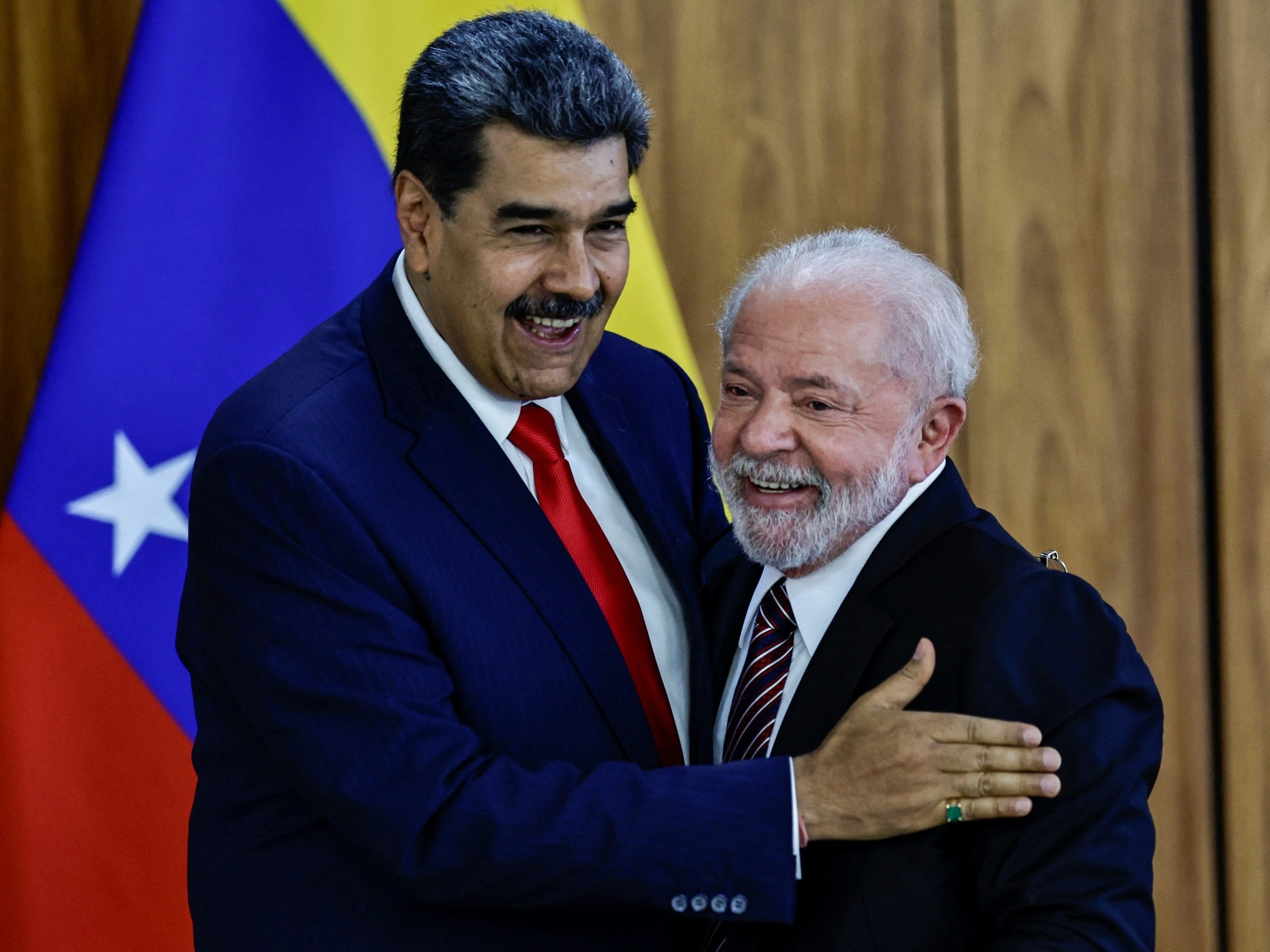
Brazil’s Itamaraty has expressed concerns about Venezuela’s electoral integrity, but Lula’s Brazil opposes sanctions on Venezuela, arguing they worsen the country’s issues.
This stance, under President Luiz Inácio Lula da Silva, is said to balance diplomatic relations without endorsing or condemning Venezuela’s elections.
But it is also true that Lula and Maduro are ideologically aligned, and this hesitation likely stems from that alignment.
Implications of Brazil’s Decision
Brazil’s decision not to observe the elections can be seen in several ways:
- Strategic Diplomacy: Brazil may want to maintain a delicate diplomatic balance with Venezuela. By not observing, Brazil avoids direct endorsement or criticism, preserving economic and political relations.
- Subtle Critique: Not sending observers might imply Brazil’s disapproval of Venezuela’s electoral transparency without escalating tensions.
- Regional Influence: Brazil’s actions could influence other Latin American countries. Historically a leader in the region, Brazil’s stance might set a precedent, leading to either unified or fragmented responses.
- Domestic and International Reactions: Domestically, Brazil balances leftist support for Maduro and right-wing opposition. Internationally, this move affects Brazil’s image as a supporter of democracy.
Background and Context
Venezuela, under Maduro, faces economic turmoil, hyperinflation, and high living costs.
The judiciary’s barring of opposition leaders like Maria Corina Machado raises concerns about electoral fairness.
Opposition sanctions and asset seizures are blamed for the crisis, causing six million people to flee.
Opposition candidate Edmundo González Urrutia highlights Brazil’s crucial role. Chosen by the Democratic Unity Roundtable (MUD), he emphasizes Lula’s leadership.
He cites former U.S. Secretary of State Henry Kissinger: “Where Brazil goes, most Latin American countries follow.”
At the CELAC Summit, Maduro and Lula discussed Venezuela’s commitment to elections and regional cooperation.
Issues like the Guyana-Esequibo dispute and Venezuela’s debt to Brazil were addressed, emphasizing regional peace.
Conclusion
Brazil’s decision not to observe Venezuela’s elections is significant. It reflects the complexities of international relations in Latin America.
The country’s decision appears calculated to balance domestic political pressures. It aims to maintain economic and diplomatic relations.
Brazil seeks to uphold its status as a stabilizing force in Latin America. Managing the situation in Venezuela requires a nuanced diplomatic approach.
More: Brazil news in English, every day from The Rio Times.
This article was produced by The Rio Times’ automated newsroom system. How we use AI · Report an error · Editorial responsibility: Matthias Camenzind, Editor-in-Chief