Mexico records agricultural trade surplus in first half of 2023
Mexico’s agricultural trade balance posted a surplus of US$5.311 billion during the first half of 2023.
This positive performance is attributed to record export levels, the highest in over 31 years, as revealed by the Mexican Ministry of Agriculture and Rural Development (Sader).
The reported figures show an annual increase of 8.19%, translating to a net gain of US$402 million compared to the same period in 2022.
Specifically, Mexico’s agricultural exports reached a total of US$27.511 billion, marking a 5.38% increase from January to June 2022.
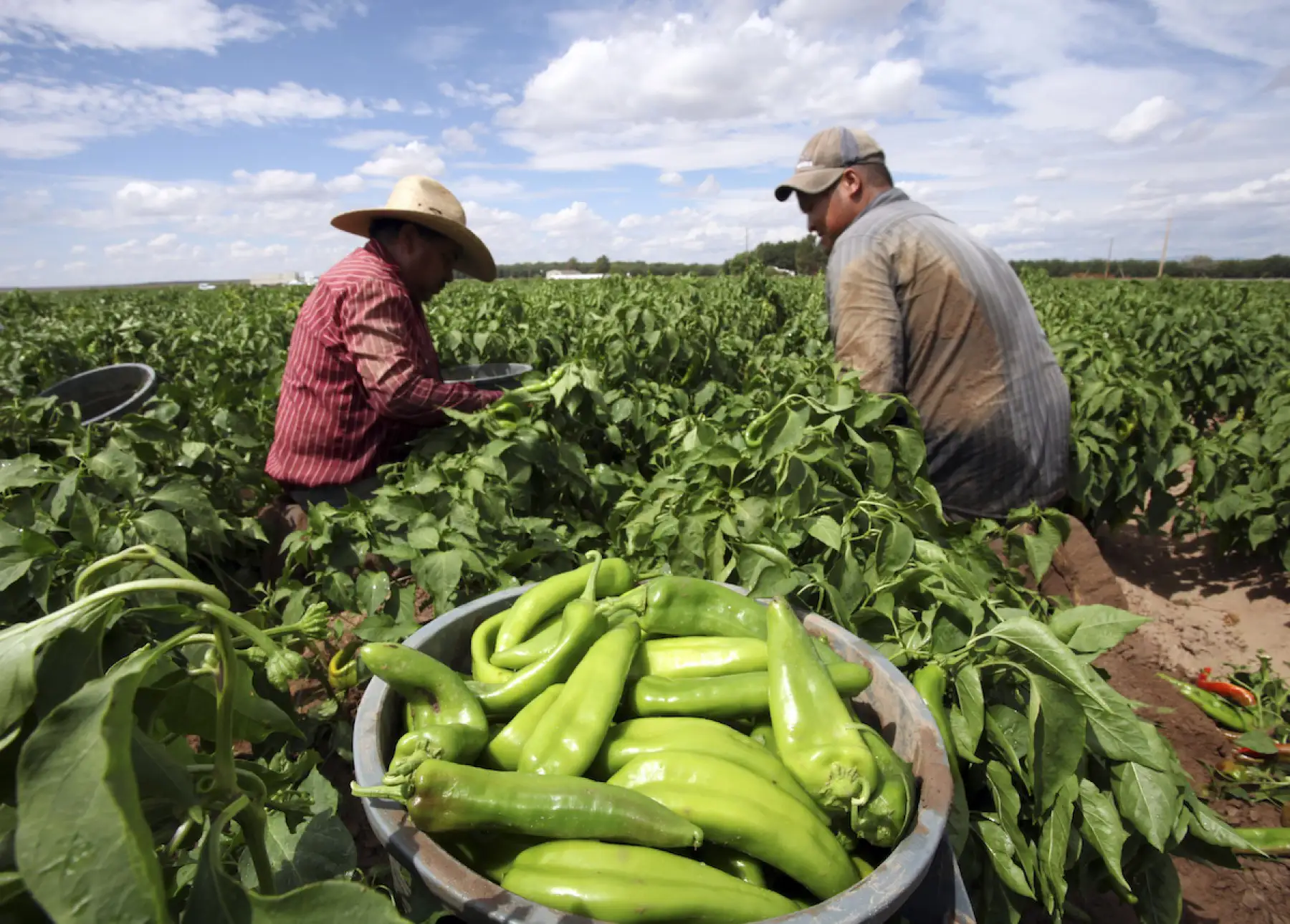
Conversely, the country’s imports amounted to US$22.200 billion during the first six months, sustaining a trade surplus for the ninth consecutive year.
From January to June 2023, Sader reported a positive balance of US$1.316 billion for the agricultural and fisheries sector, an annual rise of 2.32%.
This was driven by exports that totaled $12.325 billion within the same timeframe.
Regarding the agro-industrial trade, there was a surplus of US$3.995 billion, up by 10.28% compared to the first half of 2022.
Exports in this category registered US$15.186 billion, marking a 6.3% increase from the 2022 baseline.
Mexico’s Agriculture Ministry highlighted vegetables (21%), beverages (22%), and fruits (19%) as dominant export categories, making up 62% of the goods sold internationally.
Grain or milk preparations demonstrated the most significant growth for the year’s first half, with an annual positive change of 20.8%.
Key beverages, such as beer, tequila, and mezcal, ranked high in economic value, followed by tomatoes, strawberries, and raspberries. Fast-growing export sales included soybean oil, live cattle, cocoa butter, coffee preparations, yerba mate, and pasta. Other notable products were yeast, soups, baked goods, fresh or chilled cabbages, and tomatoes.
Key Facts
— Deep Dive
Live Market IntelligenceBrazil — Live Market Board
Rio Times · Live Market Intelligence
Brazil — Live Market Board
+0.54%
205,430.33
+0.54%
68,929.72
+1.87%
10,969.16
-0.02%
2,848,945
-0.35%
2,566.28
-0.55%
60,210.69
-0.91%
| Instrument | Last | Change | YoY | Prev. | High | Low | Volume |
|---|---|---|---|---|---|---|---|
| IBOV | 205,430.33 | +0.54% | +21.85% | 204,324.26 | 168,310 | 167,142 | — |
| USD/BRL | 5.16 | +0.01% | -5.13% | 5.16 | 5.18 | 5.14 | — |
| SELIC | 14.00% | — | — | — | — | — | |
| PETR4 | 41.64 | -0.05% | +35.19% | 41.66 | 41.97 | 41.15 | 41,499,400 |
| VALE3 | 72.97 | +0.83% | +30.75% | 72.37 | 73.54 | 72.66 | 17,658,000 |
| ITUB4 | 38.60 | -1.03% | +4.57% | 39.00 | 39.34 | 38.39 | 29,487,800 |
| BBDC4 | 16.85 | +0.36% | +3.50% | 16.79 | 16.90 | 16.67 | 19,416,900 |
| BBAS3 | 19.37 | +0.47% | +0.73% | 19.28 | 19.44 | 19.16 | 11,069,200 |
| B3SA3 | 14.26 | -0.21% | +12.73% | 14.29 | 14.47 | 14.11 | 33,037,800 |
| ABEV3 | 14.89 | -0.80% | +21.91% | 15.01 | 15.07 | 14.81 | 16,453,100 |
| WEGE3 | 47.59 | +0.49% | +29.99% | 47.36 | 48.08 | 47.36 | 3,364,600 |
| PRIO3 | 59.14 | -0.19% | +50.67% | 59.25 | 59.81 | 58.74 | 3,325,600 |
| SUZB3 | 41.33 | +2.35% | -23.55% | 40.38 | 41.48 | 40.35 | 3,914,900 |
| RENT3 | 34.68 | -0.09% | +0.84% | 34.71 | 34.96 | 34.35 | 7,979,100 |
| AZZA3 | 15.89 | -2.63% | -53.76% | 16.32 | 16.42 | 15.82 | 1,330,300 |
| CSNA3 | 4.30 | +0.47% | -42.65% | 4.28 | 4.41 | 4.26 | 10,076,100 |
| GGBR4 | 24.69 | +2.19% | +51.38% | 24.16 | 24.85 | 24.18 | 7,047,600 |
| ENEV3 | 24.21 | -1.38% | +70.49% | 24.55 | 24.64 | 23.99 | 9,297,000 |
— For the complete picture, read our in-depth guide: Mexico Economy 2026: GDP, Peso, Nearshoring, Banxico and Trade
More: Brazil news in English, every day from The Rio Times.
This article was produced by The Rio Times’ automated newsroom system. How we use AI · Report an error · Editorial responsibility: Matthias Camenzind, Editor-in-Chief