Argentine Senate Rejects Milei’s Supreme Court Picks, Exposing Political Tensions
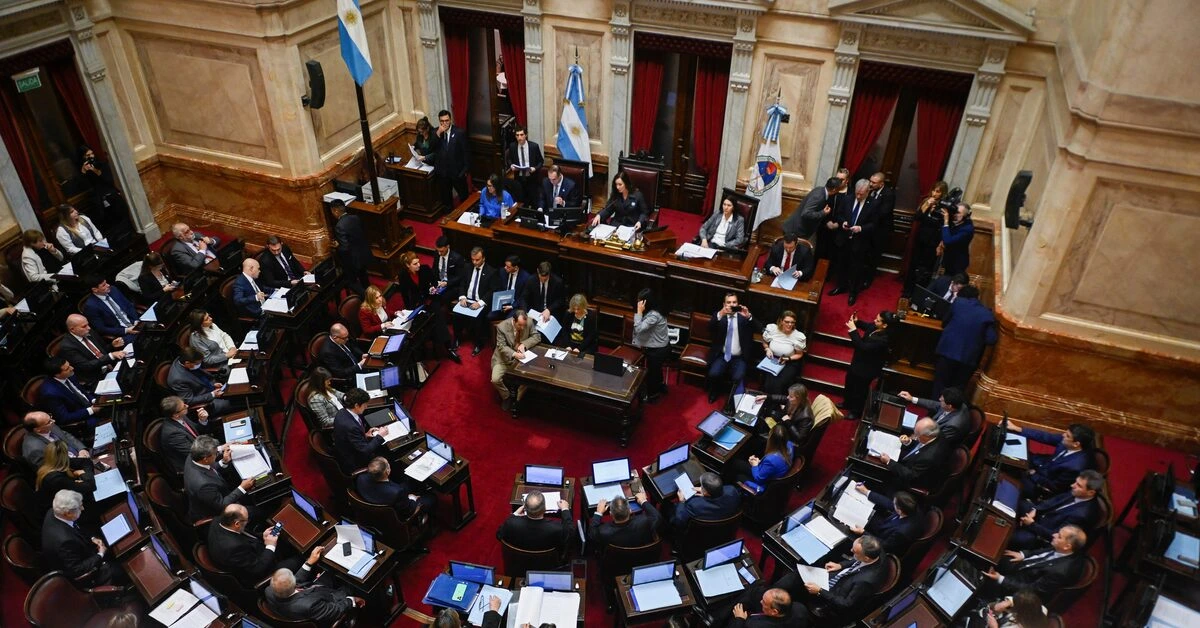
The Argentine Senate decisively rejected President Javier Milei’s nominees for the Supreme Court, Ariel Lijo and Manuel García-Mansilla, in a historic vote.
Lijo’s nomination failed with 43 votes against and 27 in favor, while García-Mansilla faced an even harsher defeat, with 51 votes against and only 20 supporting him.
This unprecedented rejection highlights deep political divisions and raises questions about the president’s approach to governance. Milei had appointed the two candidates by decree in February 2025 after failing to secure congressional approval for over a year.
This controversial move bypassed the Senate’s constitutional role in approving Supreme Court justices. Many senators criticized this decision as an overreach of executive power, arguing it undermined judicial independence.
The appointments were made “in commission,” a rarely used mechanism intended only for urgent situations when Congress is in recess. The rejection also reflected broader concerns about the nominees themselves.
Lijo, a federal judge, faced allegations of corruption and misconduct, while García-Mansilla, an ultra-conservative lawyer known for his anti-abortion stance, provoked ideological opposition.
Additionally, senators criticized the lack of gender diversity in Milei’s nominations, as the Supreme Court currently consists entirely of male justices.
Political Dynamics and Institutional Tensions
Political dynamics played a significant role in the outcome. Senators from Mauricio Macri’s PRO party voted against Milei’s nominees, signaling growing tensions between the president and his former allies.
The session barely reached quorum, with 38 of 72 senators present, underscoring the fragility of Milei’s support in Congress. The government responded by accusing the Senate of acting out of political motives rather than evaluating the candidates’ qualifications.
A statement from the presidency described the Senate as a “refuge for the political caste.” Meanwhile, Milei criticized opposition parties on social media, alleging collusion to block his judicial appointments and other legislative priorities.
This defeat weakens Milei’s position as president and highlights resistance to his governance style. The rejection leaves García-Mansilla’s future on the court uncertain and raises doubts about the administration’s ability to navigate institutional challenges effectively.
More: Argentina news in English, every day from The Rio Times.
This article was produced by The Rio Times’ automated newsroom system. How we use AI · Report an error · Editorial responsibility: Matthias Camenzind, Editor-in-Chief
In depth