Argentina Slashes Farm Export Taxes to Boost Rural Profits and Dollar Reserves
Argentina has taken a decisive step to help its struggling farm sector by cutting export taxes on its main agricultural products, according to the country’s Ministry of Economy.
President Javier Milei’s administration lowered the export tax on soybeans from 33% to 26%, and reduced taxes on soybean meal and oil from 31% to 24.5%.
Corn, wheat, barley, and sorghum rates now stand at 9.5%, down from 12%. Sunflower products dropped to 5.5% from 7%. Taxes on several smaller crops like sugar and peanuts were eliminated entirely.
These changes follow the president’s announcement that the new lower taxes are set to last through his term. Farming is the backbone of Argentina’s exports.
The sector earned the country about $40 billion from January to October 2024 and made up more than 60% of all export revenues, official trade data shows.
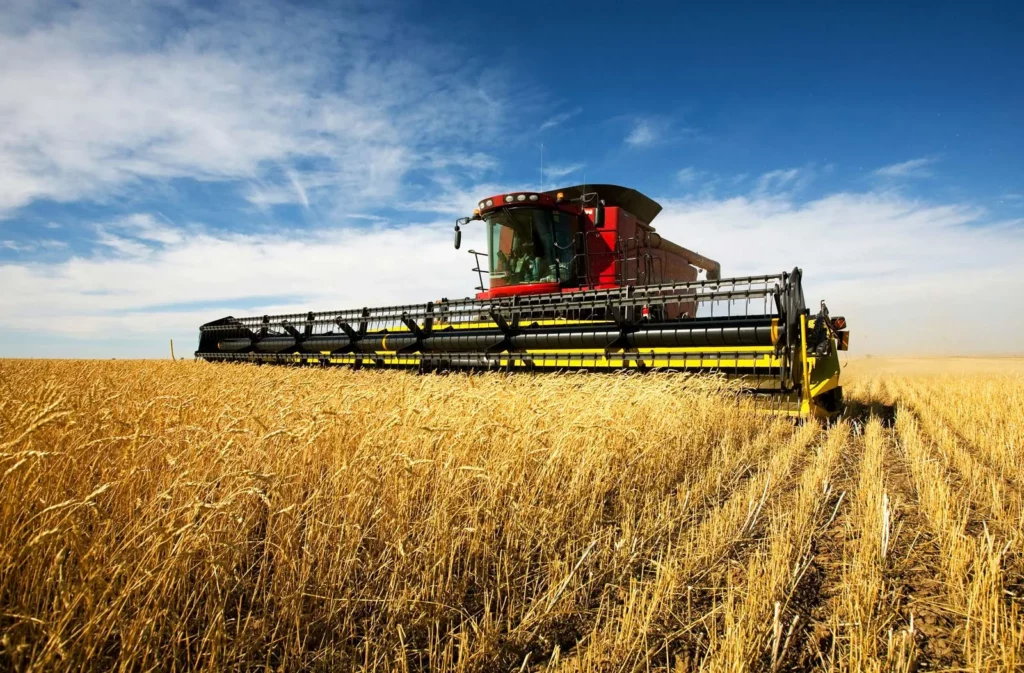
In the past, export taxes—known locally as “retenciones”—allowed governments to collect funds and hold down food prices at home, but farmers have long argued they hurt growth and investment.
Argentina Bets on Farmers with New Export Tax Cuts
The government says these new cuts should help farmers recover after several tough years of drought and low world prices. By leaving more profits in the hands of the producers, the government hopes farmers will plant more, invest in better equipment, and boost shipments abroad.
This means more foreign currency flowing into Argentina, a crucial goal for the economy. In 2024, the country exported 86.5 million tonnes of agricultural products—a 51% jump compared to the year before—even as international prices stayed low.
The policy carries risks. Lower taxes mean the state might collect less money, especially if world prices remain weak. However, officials point to recent export surges and rising shipments to big buyers like Brazil and Vietnam as early signs that the cuts could pay off.
Argentina’s new export tax policy prioritizes farm growth and vital dollars over government revenue. The country is backing its farmers to drive economic recovery and strengthen its position in global food trade.
More: Brazil news in English, every day from The Rio Times.
This article was produced by The Rio Times’ automated newsroom system. How we use AI · Report an error · Editorial responsibility: Matthias Camenzind, Editor-in-Chief