By Stephanie Foden, Contributing Reporter
Updated: August 2026
SALVADOR, BRAZIL – A visit to Salvador can be more than lounging on beautiful beaches, touring historical buildings and tasting the famed local cuisine. Bahia’s sunny capital has a variety of museums offering insight into the past and present of one of Brazil’s oldest cities — and the cultural landscape has shifted considerably since this guide first appeared, with restorations completed, new institutions opened, and several historic venues still awaiting revival.

With around thirty museums in the city covering themes from Afro-Brazilian roots and Bahian food to the city’s nautical past, art and history lovers will find something to pique their interest. Salvador’s cultural weight is also increasingly economic: the city has been emerging as an economic hub in Brazil’s Northeast, and investment in its cultural infrastructure has followed.
Topping the list is the Museu de Arte Moderna da Bahia (MAM – Museum of Modern Art of Bahia), which features contemporary artists with ties to the Bahian past. MAM’s archives include renowned Brazilian artists Tarsila do Amaral and Di Cavalcanti. The museum closed for an extended period around the pandemic years for a major structural renovation, but has since reopened to the public — a genuine revival for the city’s art scene.
This is one of the best places to watch the sunset in the city, located in a beautiful 17th century colonial complex along the Baía de Todos os Santos (Bay of All Saints). The complex also holds an art-house cinema, a café, a sculpture park and a small beach within the grounds. Current visiting hours: exhibition spaces open Tuesday to Sunday, 1 PM to 6 PM, while the café, cinema and patios run from noon to 8 PM. Entry is free.
To get a better understanding of Bahia’s artistic and historical value, travelers must visit the Museu de Arte da Bahia (MAB – Art Museum of Bahia), located in a neocolonial building on the Corredor da Vitória that was once the home of a wealthy merchant in the 1800s. The MAB hosts multiple cultural activities, permanent and temporary exhibitions, courses, musical performances and film screenings — and its auditorium doubles as one of the city’s active workshop and performance venues.
Being the oldest museum in the state and one of the first in Brazil, the MAB has over 5,000 pieces consisting mostly of fine and decorative arts: paintings by Bahian and foreign artists dating from the 16th century onwards, and a comprehensive set of decorative artifacts, with especially remarkable furniture, china and jewelry. Note that hours have tightened in recent years — the MAB currently opens Tuesday to Saturday, noon to 4 PM, so plan accordingly. The museum’s surroundings remain lively, hosting everything from fairs to photography exhibitions and guided tours celebrating Bahia’s visual heritage.
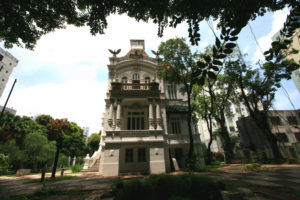
A short walk from the MAB is the Palacete das Artes, the venue long known as the Museu Rodin Bahia (Rodin Bahia Museum), devoted to the work of classic French sculptor Auguste Rodin. The museum strengthened artistic ties between France and Brazil through its partnership with the Rodin Museum in Paris. Today the space hosts rotating exhibitions honoring Bahian and Brazilian artists, and the tranquil gardens surrounding it are worth a visit on their own, with greenery, Rodin sculptures and a tasteful café.
One important caveat for return visitors: several venues familiar from older guides — including the Solar Ferrão cultural center, the Museu Abelardo Rodrigues, the Museu de Arte Sacra and the Palácio da Aclamação — remain closed to regular visitation, awaiting restoration or repurposing. On the positive side, Salvador has gained a major new institution: the MUNCAB (Museu Nacional de Cultura Afro-Brasileira) in the historic center, Brazil’s national museum of Afro-Brazilian culture, which is opening in stages and currently receives the public for specific programming while full visitation of the collection is being prepared. The city has also gained new large-scale cultural infrastructure, including the largest Caixa Cultural unit in the country.
Visiting on a Monday: what’s actually open
Monday is the classic museum-closure day in Brazil, and Salvador is no exception: the MAM, the MAB, the Museu da Misericórdia, the Casa do Rio Vermelho, the Casa do Carnaval and the Memorial 2 de Julho are all closed on Mondays. But a surprising number of venues do open — making Monday a perfectly workable museum day if you know where to go. Based on the venues’ current published schedules:
| Museum (open Mondays) | Monday hours | Neighborhood |
|---|---|---|
| Fundação Casa de Jorge Amado | 10 AM – 6 PM | Pelourinho |
| MAFRO – Museu Afro-Brasileiro (UFBA) | 9 AM – 5 PM | Pelourinho |
| Museu da Gastronomia Baiana | 10 AM – 4 PM | Pelourinho |
| Memorial das Baianas | 10 AM – 4 PM | Pelourinho |
| Centro Cultural Palácio da Sé | 9 AM – 5 PM | Pelourinho |
| Museu de Arqueologia e Etnologia (UFBA) | 9 AM – 5 PM | Pelourinho |
| Museu Eugênio Teixeira Leal | 10 AM – 4 PM | Pelourinho |
| Museu São Bento | 10 AM – 4 PM | Barroquinha |
| Museu Nacional de Enfermagem Anna Nery | 1 PM – 5 PM | Pelourinho |
| Museu Carlos Costa Pinto | 2:30 PM – 6 PM (advance booking recommended) | Corredor da Vitória |
The practical takeaway: a Monday in Pelourinho alone can fill an entire day — the Casa de Jorge Amado, the Afro-Brazilian Museum, the Gastronomy Museum and the Palácio da Sé sit within a few minutes’ walk of each other. For a broader itinerary, see our 48 Hours in Salvador guide and our picks on where to stay in Salvador. Schedules change around holidays and Carnival, so confirm on the venue’s official channels before setting out.
These museums are major vectors of art in Bahia and essential pieces for understanding culture and history in the city — although this is by no means a complete list. Entry to the MAM, the MAB and many municipal venues is free; the Museu da Misericórdia, when open (Tuesday to Saturday), charges R$30 full price and R$15 for concessions. For more planning resources, browse our guides section.
Editorial responsibility: Matthias Camenzind, Editor-in-Chief · Editorial standards · Report an error