Water Woes in the World’s Largest Wetland: Pantanal’s 2024 Drought
The Pantanal, an ecological treasure in Bolivia, Brazil, and Paraguay, faces an unprecedented water shortage in 2024.
This drought, the worst in four decades, threatens the region’s extensive biodiversity. A recent study by WWF-Brazil and ArcPlan, using the Planet satellite, highlights this escalating issue.
Since 2019, the Pantanal has experienced progressively drier conditions. In 2024, water levels in the Paraguay River are expected to stay below one meter, a stark contrast to the typical four meters.
Observations from January to April show only 400,000 hectares submerged, down from 440,000 hectares the previous year.
Helga Correa from WWF-Brazil notes that even during expected flood seasons, the water hasn’t come.
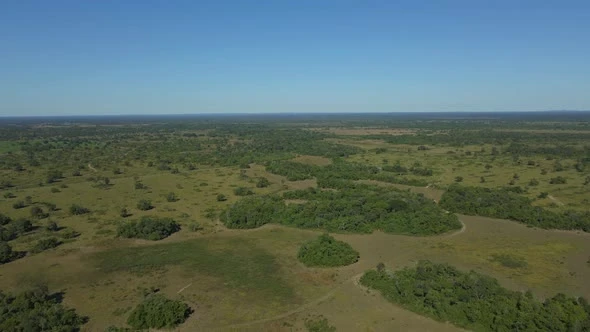
She attributes this to a 68 percent drop in water levels compared to historic averages.
Data reveal a troubling future with likely worsening conditions in October, raising alarms for potential fires and further ecosystem distress.
The Pantanal’s drying trend increases vulnerability to natural disasters and strains local economies reliant on river navigation and biodiversity.
The once abundant waters that nourished a rich variety of life are dwindling, posing irreversible risks to species and human settlements alike.
Water Woes in the World’s Largest Wetland: Pantanal’s 2024 Drought
The consequent loss in species diversity and degradation of water quality, exacerbated by ash from frequent fires, compromise both aquatic life and community water supplies.
Moreover, this study underscores the urgency of comprehensive strategies to map and mitigate the most pressing threats.
Enhancing conservation policies and restoring crucial watershed areas are critical.
As the Pantanal approaches a critical threshold, proactive measures become imperative to sustain its biodiversity and support the communities relying on this irreplaceable ecosystem.
More: Brazil news in English, every day from The Rio Times.
This article was drafted with automated assistance and reviewed before publication. How we use AI · Report an error · Editorial responsibility: Matthias Camenzind, Editor-in-Chief