Central Bank of Brazil Evaluates Rio Grande do Sul Floods’ Economic Impact
The Central Bank of Brazil has released a detailed analysis of the economic consequences resulting from severe flooding in Rio Grande do Sul.
This region, vital to Brazil’s economy, has faced its fourth major flood within a year, following similar events in July, September, and November 2023.
In May, the Central Bank reported a significant drop in local economic activity, with impacts varying across sectors.
Business transactions decreased by 8.6% initially, as measured by debit card and Pix payments.
However, by early June, a swift recovery emerged in sectors such as furniture, appliances, and construction materials.
Agriculture saw mixed results; crop production estimates varied, while livestock farming suffered due to the loss of animals and damage to infrastructure.
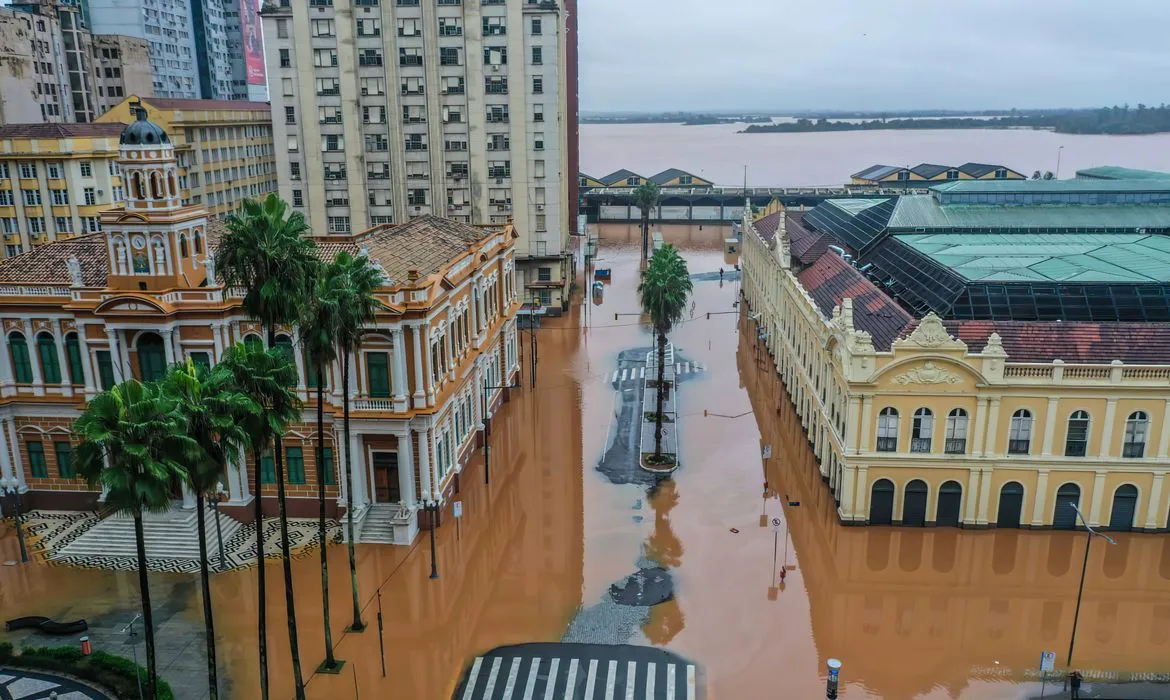
External trade also faced disruptions, especially with the closure of Salgado Filho Airport and reduced port operations.
Human costs were high: floods claimed 179 lives, injured over 800, and affected 2.3 million in 478 municipalities.
The Brazilian government announced a 50.9 billion reais ($10 billion) aid package for employees, public assistance recipients, and businesses.
They also suspended Rio Grande do Sul’s debt payments for three years to fund recovery efforts.
Consumer confidence and industrial business sentiments declined during this period. Initially, families focused on purchasing essential items like supermarket goods.
By early June, spending expanded to include furniture, electronics, and construction materials.
Central Bank of Brazil Evaluates Rio Grande do Sul Floods’ Economic Impact
The Central Bank’s analysis of Rio Grande do Sul floods’ economic impacts is thorough but needs more context and details for better impact.
It lacks climate change context, details on economic sectors, recovery efforts, social impacts, comparative analysis, and quantitative data.
Experts stress the importance of comprehensive measures to mitigate future risks and address long-term impacts.
These measures include maintaining infrastructure and possibly relocating vulnerable communities.
This disaster highlights the need for adaptive strategies to combat climate change and safeguard against frequent natural disasters.
The Central Bank emphasizes that Rio Grande do Sul’s long-term resilience requires sustained investment and strategic climate change planning.
More: Brazil news in English, every day from The Rio Times.
This article was produced by The Rio Times’ automated newsroom system. How we use AI · Report an error
Read More from The Rio Times