Parched Earth: Over a Thousand Brazilian Cities Grapple with Severe Drought
Over a thousand Brazilian cities currently face an extreme drought, described as the most severe in recent memory.
This calamity arises from a blend of unprecedented temperatures and minimal rainfall. Further, a prolonged El Niño and warmer ocean currents have exacerbated the situation.
Although El Niño has ended, its effects persist, paving the way for widespread wildfires and acute water shortages.
In particular, the drought devastates Amazonas and other crucial states, leaving communities isolated and reliant on diminishing river levels for transport.
Consequently, the National Center for Monitoring and Early Warning of Natural Disasters (Cemaden) reports a dramatic rise in cities under extreme drought conditions—nearly 23 times higher than last year.
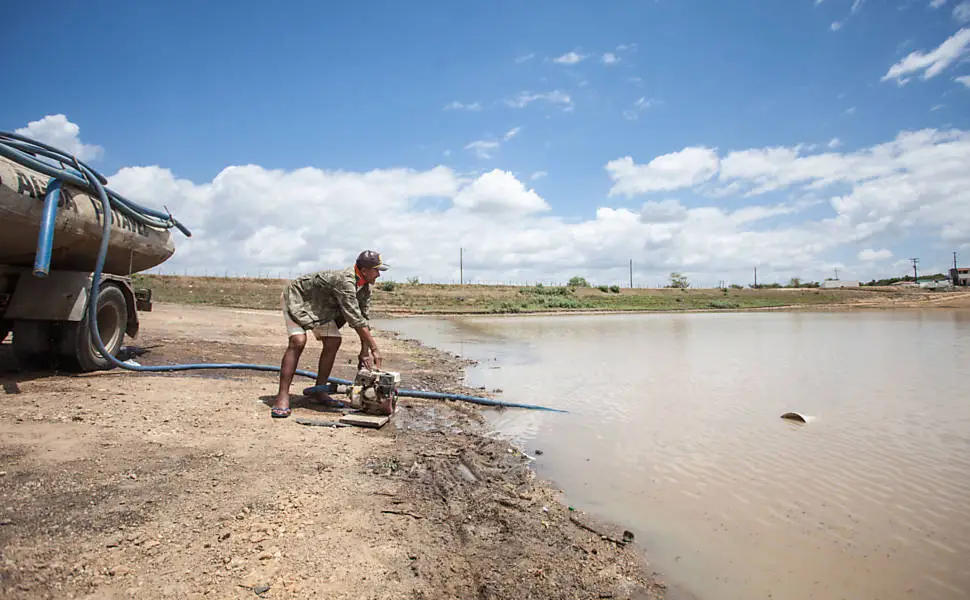
Currently, Cemaden’s drought scale includes over three thousand cities, from mild to extreme conditions.
For instance, São Paulo faces a critical situation, marking June with the highest fire outbreaks in ten years. Moreover, the Cantareira System, vital for millions, operates at only 63% capacity.
Agriculture suffers immensely under these conditions. In Espírito Santo, vital crops like coffee endure significant losses, reverberating through the regional economies.
Parched Earth: Over a Thousand Brazilian Cities Grapple with Severe Drought
Similarly, the Pantanal, the largest tropical wetland globally, records historically low water levels in the Paraguay River, intensifying the wildfire dilemma.
This drought, compounded by prior dry periods and insufficient recovery measures, foretells a bleak future.
Experts, including Marcelo Zeri from Cemaden, anticipate a long, intense drought period. Although the potential arrival of La Niña could increase rainfall, significant relief remains months away.
This narrative underscores Brazil’s drought as a poignant example of global climate change’s impact.
Indeed, phenomena like El Niño and climate shifts profoundly affect nations worldwide. Brazil’s ongoing crisis provides essential insights for addressing similar global challenges.
More: Brazil news in English, every day from The Rio Times.
This article was drafted with automated assistance and reviewed before publication. How we use AI · Report an error · Editorial responsibility: Matthias Camenzind, Editor-in-Chief