Wall Street Faces Worst Week of 2024 with Tech Sell-Off and Job Growth Concerns
On the bustling trading floors of Wall Street, a wave of concern swept through as the week closed with significant declines across major indices, marking the worst performance of the year.
The S&P 500 plunged by 1.73% to 5,408.42 points, while the Dow Jones Industrial Average fell by 1.01% to 40,345.41 points. The tech-heavy Nasdaq Composite bore the brunt of the sell-off, dropping 2.55% to 16,690.83 points.
The unsettling trend continued from earlier in the week, cumulating in a 4% drop for the S&P 500 over the last four trading sessions, its steepest decline since March 2023.
The Nasdaq retreated by a sharp 5.50% over the week, its worst showing since 2022, and the Dow accumulated a 2.8% decrease. This tumult was primarily fueled by the latest U.S. employment report, which fell short of expectations.
The August payroll data revealed only 142,000 new jobs, significantly missing the anticipated figures. This was a slight acceleration from July’s revised count of 89,000 job additions.
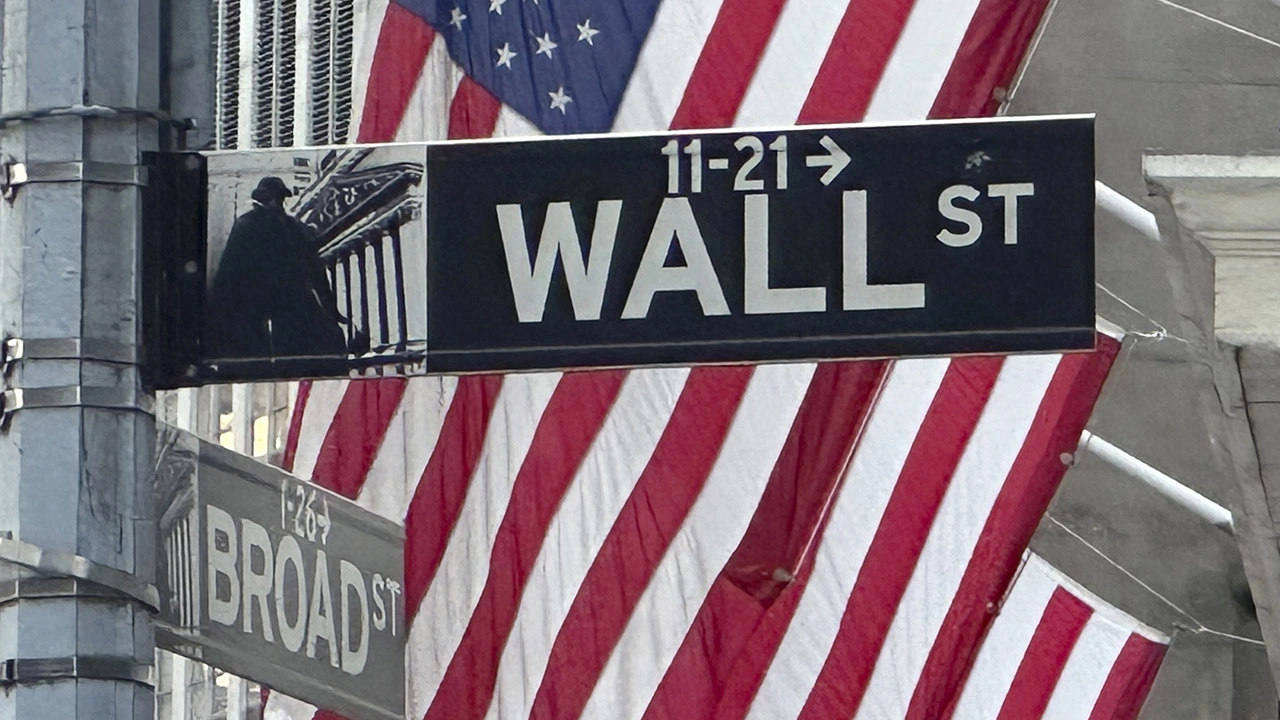
This disappointing job growth intensified fears that the U.S. might be edging towards a recession. This concern persists despite a steady unemployment rate of 4.2% and wages that rose more than expected both monthly and annually.
The mixed economic signals have traders speculating about the Federal Reserve’s next moves. Current bets are heavily favoring a modest 25 basis-point cut in the benchmark interest rates at the upcoming September meeting.
FedWatch Tool and Market Reactions
According to the CME Group’s FedWatch tool, the likelihood of this adjustment rose from 60% to 73% following the payroll report. In contrast, the chance of a more aggressive 50 basis-point reduction dropped from 40% to 27%.
John Williams, President of the Federal Reserve Bank of New York, hinted at a potential easing of monetary policy.
He suggested that an economy now in balance and on a trajectory towards a 2% inflation rate justifies a reduction in interest rates.
His statement, made during a speech at the Council on Foreign Relations in New York, underscored a strategic shift. This shift aims to stabilize economic growth.
Meanwhile, tech stocks also played a significant role in the week’s downturn. Major players like Amazon and Alphabet, Google’s parent company, saw their shares tumble over 3%.
Nvidia experienced a roughly 4% drop, adding to the sector’s woes. This decline followed a quarterly performance that failed to meet heightened investor expectations.
This week’s financial narrative on Wall Street paints a picture of an economy at a crossroads, grappling with tech sector volatility and cautious optimism about potential shifts in U.S. monetary policy.
Investors and policymakers alike watch these developments closely. The implications for global markets remain a subject of keen interest and speculation.
This article was produced by The Rio Times’ automated newsroom system. How we use AI · Report an error · Editorial responsibility: Matthias Camenzind, Editor-in-Chief
LatAm Markets: Live Signals → — real-time movers, turnover leaders and FX across Latin America.