Uruguay Beef Earnings Hold Up as China Returns and Wheat Rallies
Uruguay beef revenue holds near record levels as China returns as top buyer by volume, wheat hits a three-year high and the central bank auctions bills.

URUGUAY · ECONOMY
Key Facts
What happened: China is again the largest buyer of Uruguay beef by volume, lifting revenue even as the country ships less.
The numbers: Beef earned US$1.108 billion from January to May, with average prices up 17.6% on the year.
The catch: By value the United States still buys more than China, which leads only in tonnage.
Also rising: Wheat futures jumped more than 12% in a week to their highest level since 2023.
What comes next: Uruguay’s central bank opens seven bill auctions on Monday, plus a Treasury note in indexed units.
China has returned to the top of the table for Uruguay beef, at least by volume, and record prices are doing the rest. Wheat is rallying to a three-year high, and the central bank starts a fortnight of debt sales on Monday.
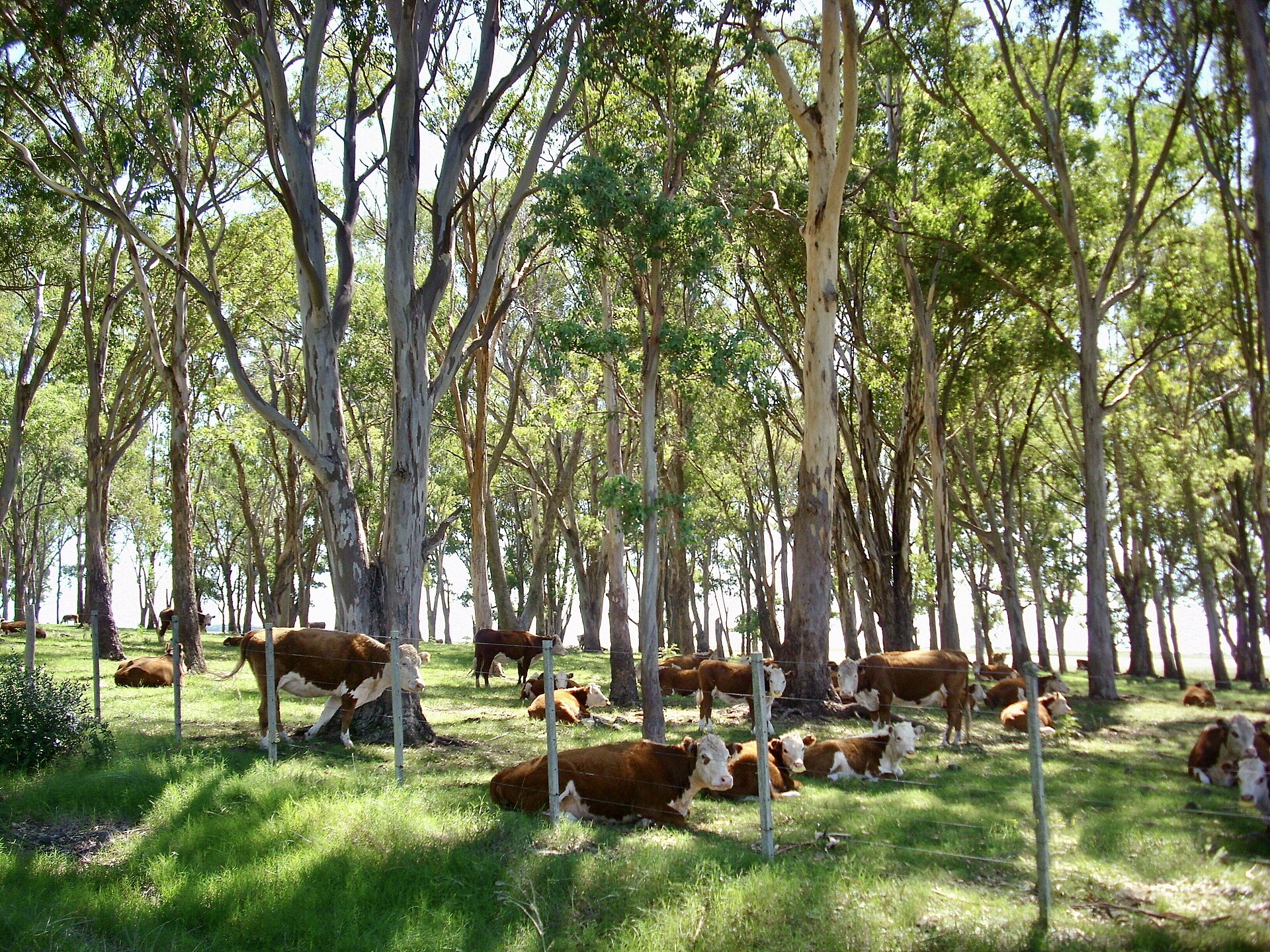
China is back on top for Uruguay beef
For more than a decade China was the customer that made the industry what it is. Then, earlier this year, the United States briefly took the lead on the back of record prices.
The latest data from the National Meat Institute, known as INAC, show the old order restored in tonnage. China now concentrates close to 36% of the volume shipped abroad, the largest single share of any market.
By money the picture is more nuanced. The United States still represents around 40% of the value of exports, because American buyers pay up for premium cuts.
The headline figures are strong either way. From January to May, Uruguay exported 195,900 tonnes of beef and collected US$1.108 billion, an average of US$5,656 per tonne.
Why less volume still means more money
Uruguay beef shipments are running roughly 17% below a year ago. Cattle slaughter fell 17.8% in the first five months, because herds are being rebuilt after years of heavy liquidation.
What saves the sector is price. The average export value rose 17.6% over the year, and the rolling 30-day average has topped US$6,100 per tonne, according to industry data.
China is reinforcing that floor. Beijing granted Uruguay a record quota of 324,000 tonnes for 2026, a potential increase of 62% over the roughly 200,000 tonnes shipped last year.
INAC’s president, Gastón Scayola, says the safeguard quota is no obstacle. With quality, traceability and sanitary status, he argues, Uruguayan exporters can keep expanding in China.
Wheat joins the rally
It is not only cattle country smiling. Wheat futures climbed more than 12% in the final week of August, reaching their highest level since 2023, according to market reports.
The rally has been driven by worries over Black Sea supplies and tighter stocks in major exporters. For Uruguay, one of South America’s wheat producers, it improves the outlook for the coming harvest.
Most Uruguayan wheat goes to Brazil, where millers pay a premium for nearby, reliable supply. A stronger wheat price feeds straight into farm incomes in the country’s west.
The central bank’s busy fortnight
The Central Bank of Uruguay, known by its Spanish initials BCU, has published its auction calendar for 31 August to 11 September. It includes seven sales of monetary regulation bills and one Treasury note.
The bills, called Letras de Regulación Monetaria or LRM, are short-term debt the BCU uses to manage how many pesos circulate in the economy. They are the bank’s main tool for steering interest rates.
The first auction comes on Monday 31 August. The BCU will offer a 28-day bill for 12.5 billion pesos (about US$311 million), of which 2.5 billion pesos (about US$62 million) is reserved for non-competitive bids.
The note in the calendar is a Treasury instrument denominated in Unidades Indexadas, Uruguay’s inflation-linked unit. The mix lets the state borrow across short, medium and long terms in one programme.
Why this combination matters
Each strand of the story points the same way. Export prices are high, farm incomes are improving, and the central bank can borrow cheaply and predictably at home.
LRM yields in pesos have been running between roughly 5% and 7% a year, comfortably above bank deposits. That keeps local savers interested and helps the BCU hold inflation near its target range.
The risks sit elsewhere. A stronger peso or a downturn in Chinese demand would squeeze Uruguay beef exporters, and the herd rebuild caps how fast volumes can recover.
What to watch from here
The first test is how INAC divides the 324,000-tonne China quota among packing plants. Newer plants worry they will be squeezed by plants with longer export records.
The second is the winter crop. If wheat holds anywhere near current levels into the harvest, Uruguay’s farm sector gets a second engine for the last quarter of the year.
The third is the BCU itself. Markets expect the bank to keep nudging rates, and the cut-off yields in these seven auctions are the clearest signal it gives.
More: Uruguay news in English, every day from The Rio Times.
Frequently Asked Questions
Is China again the biggest market for Uruguay beef?
By volume, yes. China now takes close to 36% of the shipments, the largest single share. By value, the United States still leads with around 40% of export revenue.
How much beef did Uruguay export in 2026?
From January to May, Uruguay exported 195,900 tonnes of beef and earned US$1.108 billion. The average price was US$5,656 per tonne, up 17.6% on the same period of 2025.
Why is beef revenue holding up while volumes fall?
Export volumes are down about 17%, but average prices are up 17.6%. Record international prices, driven by tight global supply, are more than compensating for the smaller shipments.
What is Uruguay’s central bank auctioning?
Between 31 August and 11 September, the Central Bank of Uruguay will hold seven auctions of monetary regulation bills and one auction of a Treasury note in inflation-linked units.
What are Letras de Regulación Monetaria?
They are short-term bills issued by Uruguay’s central bank to absorb pesos and steer interest rates. They are considered the safest peso investment in the country, with yields recently between 5% and 7% a year.
Connected Coverage
We covered Montevideo’s push for new Asian outlets in Uruguay wants a beef market in Vietnam as Mercosur opens trade talks, the European opening in Uruguay beef Europe sales at a 10-year high as the EU suspends Brazil and the grains rally in Wheat hits a three-year high as corn slips.
Sources: Uruguay’s National Meat Institute (INAC) via El Observador and BeefPoint; Uruguay XXI; Ámbito Financiero; Central Bank of Uruguay (BCU) auction calendar. Exchange rates as of 31 August 2026.
This article was produced by The Rio Times’ automated newsroom system. How we use AI · Report an error · Editorial responsibility: Matthias Camenzind, Editor-in-Chief