Uruguay Wants a Beef Market in Vietnam as Mercosur Opens Trade Talks
URUGUAY · TRADE
Key Facts
—What happened: Mercosur and Vietnam held their first in-person round of trade talks, led on the bloc’s side by Argentina.
—Uruguay’s stake: Montevideo wants Vietnamese sanitary approval for its beef before the end of 2026.
—The catch: A signed deal is years away; the beef market opening runs on a separate, faster track.
—Why Vietnam matters: Vietnam is already Argentina’s sixth-largest export market, with about US$4 billion in annual trade.
—Also this week: A survey found 67 percent of Brazilians are interested in doing business with Uruguay.
—What comes next: Technical teams will keep negotiating toward a preferential agreement compatible with WTO rules.
Mercosur has opened formal trade negotiations with Vietnam, and Uruguay is moving on a parallel track to get its beef into the Southeast Asian country of 100 million people before the year ends.
What Mercosur and Vietnam just started
The first in-person negotiating round between Mercosur and Vietnam took place this week. Argentina, which holds the bloc’s technical lead, hosted the working teams.
Argentina’s foreign minister, Pablo Quirno, announced the start publicly. He said he had the satisfaction of receiving the teams for the first face-to-face round.
The process was formally launched in late December. Mercosur, made up of Argentina, Brazil, Paraguay and Uruguay, agreed with Vietnam to negotiate a preferential trade deal.
The goal is to cut tariffs and tackle non-tariff barriers on both sides. Any agreement must be compatible with World Trade Organization rules, the standard framework for global trade.
Why Uruguay cares more than most
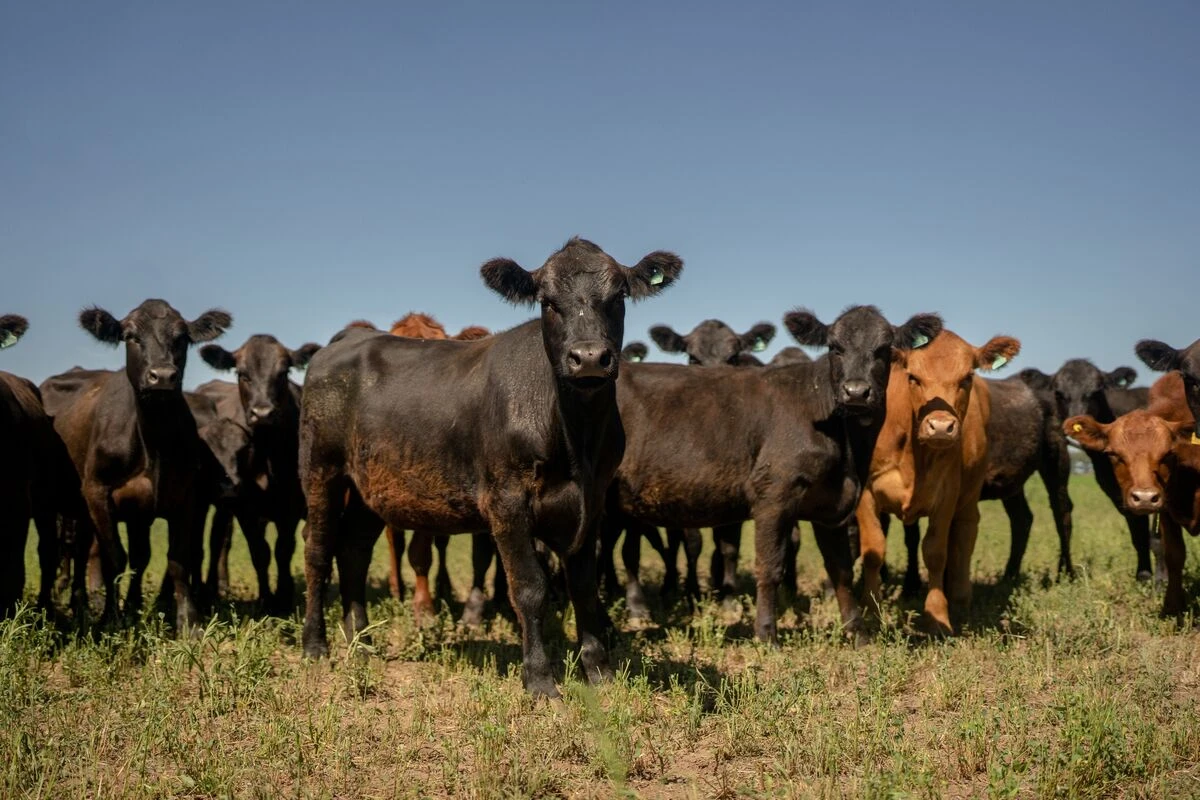
For foreigners new to the region, Uruguay is a small country that punches far above its weight in food. Its 3.4 million people share the land with roughly 12 million cattle.
Beef is the country’s signature export, and about 80 percent of production is sold abroad. Every new market matters, and Asian markets pay the best prices.
Weeks before this round, an official Uruguayan mission travelled to Vietnam. Its main goal was to speed up the sanitary authorization of Uruguayan beef.
Sanitary authorization is the veterinary approval that lets a country sell meat at all. Without it, no tariff cut in the world helps, because the product simply cannot enter.
The government in Montevideo wants to close that process before the end of 2026. It then sees the bloc negotiation as the vehicle to improve tariff conditions later.
The two tracks, explained
This is the part that confuses many readers. Trade deals and market access run on separate clocks, and Uruguay is working both at once.
Track one is sanitary. Vietnam’s authorities inspect Uruguay’s slaughterhouses, disease controls and traceability systems before letting a single steak in.
Track two is commercial. The bloc negotiation will eventually decide how much tariff Vietnamese consumers pay on top of the beef’s price.
Uruguay’s strategy is to finish track one bilaterally and fast. Track two, slower by nature, can then follow through this channel.
How big is the Vietnam opportunity
Quirno offered a sense of scale from the Argentine side. Vietnam is already Argentina’s sixth-largest export destination.
Two-way trade runs at about US$4 billion a year. Argentina enjoyed a surplus of roughly US$1.4 billion in 2025.
Vietnam has around 100 million people and one of Asia’s fastest-growing middle classes. Meat consumption rises quickly when incomes do.
Uruguay already sells heavily into Asia, with China as its top beef buyer. A Vietnamese opening would diversify that concentration, a long-standing goal in Montevideo.
The Brazilian neighbour is watching too
A separate survey released this week added colour to Uruguay’s commercial moment. It found that 67 percent of Brazilians are interested in doing business with Uruguay.
The study, reported by El Observador in Montevideo, showed high Brazilian willingness to visit, invest in and buy products from Uruguay. More than half of respondents said they would even consider moving to Uruguay for work.
Brazil is Uruguay’s giant neighbour and a fellow member of the bloc. Strong Brazilian interest underlines the country’s reputation as a stable, easy place to do business.
That reputation is the same asset Uruguay is selling in Asia. Predictability, full traceability of every animal and grass-fed production are its calling cards.
What to watch from here
The first milestone is the Vietnamese sanitary decision. If approval lands before year-end, first shipments could follow quickly.
The second is the pace of the negotiating rounds. Preferential deals of this kind typically take years, not months.
The third is Uruguay’s parallel push in other Asian markets. The country has long sought wider access in Japan and South Korea, where it already holds niche approvals.
More: Uruguay news in English, every day from The Rio Times.
Frequently Asked Questions
What did Mercosur and Vietnam agree to do?
They opened negotiations for a preferential trade agreement, holding their first in-person round this week. The talks aim to cut tariffs and non-tariff barriers under World Trade Organization rules.
Why does Uruguay want access to Vietnam?
Uruguay exports about 80 percent of its beef and wants new Asian markets beyond China. Vietnam has 100 million consumers and a fast-growing middle class.
When could Uruguayan beef reach Vietnam?
The government aims to secure Vietnamese sanitary approval before the end of 2026. Tariff improvements would come later through the Mercosur negotiation.
How important is Vietnam to South American trade already?
It is Argentina’s sixth-largest export destination, with about US$4 billion in annual two-way trade. Argentina ran a surplus of roughly US$1.4 billion with Vietnam in 2025.
What did the survey about Brazilians and Uruguay find?
It found 67 percent of Brazilians are interested in doing business with Uruguay. More than half said they would consider moving to the country for work reasons.
Sources
Ámbito (Mercosur-Vietnam first round and Uruguay beef track, 28 August 2026) · El Observador (Brazil survey, 27 August 2026) · Uypress (Love Mark study, 14 August 2026) · Wikimedia Commons (image, CC BY-SA 4.0)
This article was produced by The Rio Times’ automated newsroom system. How we use AI · Report an error · Editorial responsibility: Matthias Camenzind, Editor-in-Chief