Ultrapar’s Q2 Profit Climbs 46% as a Fuel-Fraud Crackdown Lifts Ipiranga
Brazil · Business
Key Facts
- —The profit Ultrapar reported Q2 2026 net income of R$1.678 billion (about US$325 million), up 46% year-on-year.
- —The dividend The board approved R$1.085 billion (about US$210 million) for the first half, or R$1.00 per share, payable September 3.
- —The revenue Net revenue rose 22% to R$41.5 billion (about US$8.04 billion).
- —The core Adjusted EBITDA jumped 70% to R$3.52 billion (about US$682 million).
- —The cash Operating cash generation reached a record R$4.8 billion (about US$930 million).
A federal push against adulterated fuel is quietly rewarding the honest distributors, and the group’s Ipiranga stations are among the biggest winners.
Ultrapar, the Brazilian group behind the Ipiranga fuel-station network, Ultragaz cooking gas and the Ultracargo storage terminals. Posted a much stronger second quarter, with profit up 46%.
The headline number is impressive on its own. But the more interesting part of the story is why it happened: a government crackdown on fuel fraud is handing legitimate distributors a real advantage.
What Ultrapar reported
For the second quarter of 2026, the company posted net income of R$1.678 billion, roughly US$311 million at current exchange rates. That is a jump of 46% compared with the same three months a year earlier.
A solid result rather than a fluke of the calendar. Net revenue climbed 22% to R$41.5 billion, about US$7.7 billion, showing that more fuel and gas moved through the group’s networks.
The engine behind the quarter: Ipiranga
Most of the improvement came from Ipiranga, the fuel-distribution arm that supplies thousands of service stations across Brazil. Volumes sold rose 8% over the year, with diesel up 10% and the lighter petrol-and-ethanol category, known as cycle Otto, up 6%.
When a distributor sells more litres at a better margin. The effect flows straight through to profit, and that is exactly what happened here.
Why a fuel-fraud crackdown helps
Brazil has been running a federal operation, nicknamed Carbono Oculto, aimed at distributors that sell adulterated or tax-dodging fuel. For years, those operators could undercut honest sellers on price because they were cutting corners the legal players never could.
As the crackdown squeezes them out, demand shifts back to compliant distributors like Ipiranga. Which is a large part of why the numbers improved.
The dividend, explained plainly
Ultrapar’s board approved R$1.085 billion in dividends, about US$201 million, covering the first half of 2026. A dividend is simply a share of the company’s profit paid out in cash to the people who own the stock.
In this case R$1.00 per share. Shareholders on the register are due to receive that payment on September 3, a tangible reward for a stronger first half.
A record for cash generation
Beyond the profit line, the company highlighted operating cash generation of R$4.8 billion, about US$890 million, which it described as a record. Cash is what a business can actually spend, use to pay down debt.
Or return to shareholders, so a strong cash figure carries real weight. It also explains how Ultrapar can fund a generous dividend and still keep investing in its fuel and storage operations at the same time.
The drag from financial results
Not everything pulled in the same direction. And the profit could have been even larger without a negative financial result of R$520 million.
Part of that reflects the ordinary cost of carrying debt. And part came from a R$127 million mark-to-market swing on the company’s hedges.
The prior-year quarter had also been flattered by a one-off R$344 million tax-credit revaluation that did not repeat this time around.
Ultragaz and Ultracargo
Ipiranga is the biggest piece, but two other businesses rounded out the group’s stronger showing this quarter. Ultragaz is the bottled cooking-gas brand found in millions of Brazilian kitchens, and it continued to contribute steadily to the result.
Ultracargo runs liquid-bulk storage terminals at Brazil’s ports, a quieter but dependable operation that also added to the improvement.
What Ultrapar actually does
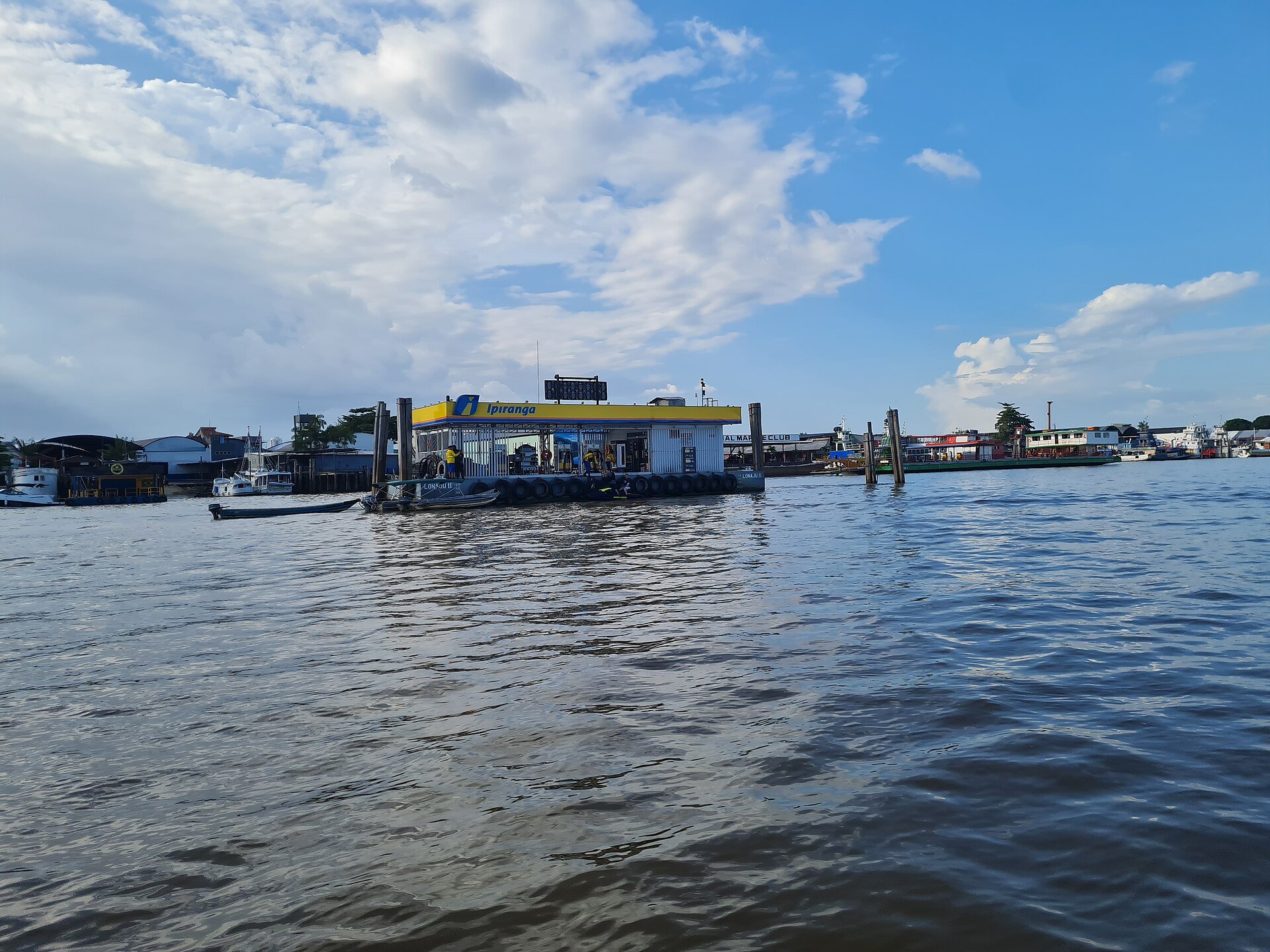
For readers less familiar with the name, Ultrapar is a holding company that owns several businesses rather than a single-product firm. The most visible one is Ipiranga, one of Brazil’s three big fuel-distribution networks, whose yellow-and-blue stations are a common roadside sight.
Alongside it sit Ultragaz in cooking gas and Ultracargo in storage, giving the group a spread across fuel, energy and logistics.
How the market has reacted
Investors had already grown more optimistic about Ultrapar this year, and the second-quarter figures gave that view fresh support. A quarter that beats expectations while also lifting the dividend tends to reassure shareholders that the recovery is more than a one-off.
The combination of higher volumes, better margins and record cash is the kind of mix that markets like to see repeated.
What to watch next
The key question is whether the tailwind from the fuel-fraud crackdown lasts, because much of Ipiranga’s gain leans on it. Diesel and petrol demand, along with the margin per cubic metre, will show whether the momentum carries into the second half.
Investors will also keep an eye on the financial result. Since swings there can move the reported profit more than day-to-day trading does.
More: Brazil news in English, every day from The Rio Times.
Frequently Asked Questions
How much did Ultrapar earn in Q2 2026?
Net income was R$1.678 billion (about US$325 million). Up 46% from the same quarter a year earlier, on net revenue of R$41.5 billion.
How big is the dividend and when is it paid?
The board approved R$1.085 billion (about US$210 million) for the first half of 2026. Equal to R$1.00 per share, payable on September 3.
Why did profit rise so much?
Mainly stronger performance at Ipiranga. Where volumes rose 8% and margins improved as a federal crackdown on fuel fraud pushed demand toward legal distributors.
What does Ultrapar do?
It is a Brazilian holding company that owns Ipiranga fuel distribution, Ultragaz cooking gas and Ultracargo liquid-storage terminals.
Sources:
This article was produced by The Rio Times’ automated newsroom system. How we use AI · Report an error · Editorial responsibility: Matthias Camenzind, Editor-in-Chief