U.S. Trade Relations with Latin America: Mexico, Brazil, and Chile at the Forefront
Mexico, Brazil, and Chile stand out as the primary trade partners for the United States in Latin America, according to a recent report by the Economic Commission for Latin America and the Caribbean (Cepal).
This dynamic plays a crucial role in understanding current market trends and their implications for investors and policymakers. In 2023, amidst global trade tensions, these countries were pivotal for U.S. commerce in the region.
Mexico, in particular, alongside Brazil and Chile, represented a significant portion of U.S. trade, making up 40% of its total trade with Latin America. The year saw a notable decrease in U.S. exports to Latin America, dropping by 5% to $501.7 billion.
This decline was primarily in industrial supplies and capital goods, which constitute over 70% of U.S. exports to the region. Meanwhile, automotive sectors showed resilience with an 11.3% growth, highlighting sectors potentially less affected by trade disputes.
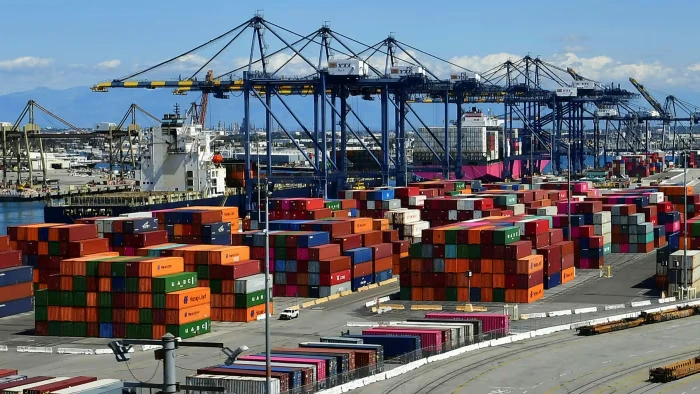
President Donald Trump’s tariff policies, aiming at 25% for Canada and Mexico and 10% for China, introduced significant tension. These tariffs were delayed for negotiation, reflecting an attempt to balance trade relations amidst rising global economic challenges.
The Cepal report sheds light on how these trade relationships evolve, particularly with Mexico, Brazil, and Chile, impacting not just bilateral trade but also influencing broader market strategies and economic policies.
Understanding these dynamics is essential for stakeholders looking to navigate or influence the economic landscape in Latin America and beyond.
More: Brazil news in English, every day from The Rio Times.
This article was produced by The Rio Times’ automated newsroom system. How we use AI · Report an error · Editorial responsibility: Matthias Camenzind, Editor-in-Chief