U.S. Tariffs Hit Brazilian Industry, Forcing First Export Decline in Nearly Two Years
Brazil’s main industry group, the Confederação Nacional da Indústria (CNI), warns that exports will fall in the coming months for the first time since late 2023.
Its August 2025 survey shows the Export Expectations Index at 46.6 points, a drop of 5.1 from July and the first reading below 50 in 21 months. Any score under 50 signals businesses expect exports to shrink.
The immediate cause is the new 50 percent tariff the United States applied to almost half of Brazil’s exports to its market. Those products earned Brazil 17.5 billion dollars in 2024.
The tariffs now make them far less competitive. For Brazil, the US is a key customer, so the policy change directly hits revenue and jobs. CNI has already revised its forecasts.
Industrial growth for 2025 has been cut from 2 percent to 1.7 percent. Export projections have been reduced by 5.4 billion dollars, down to 341.9 billion dollars.
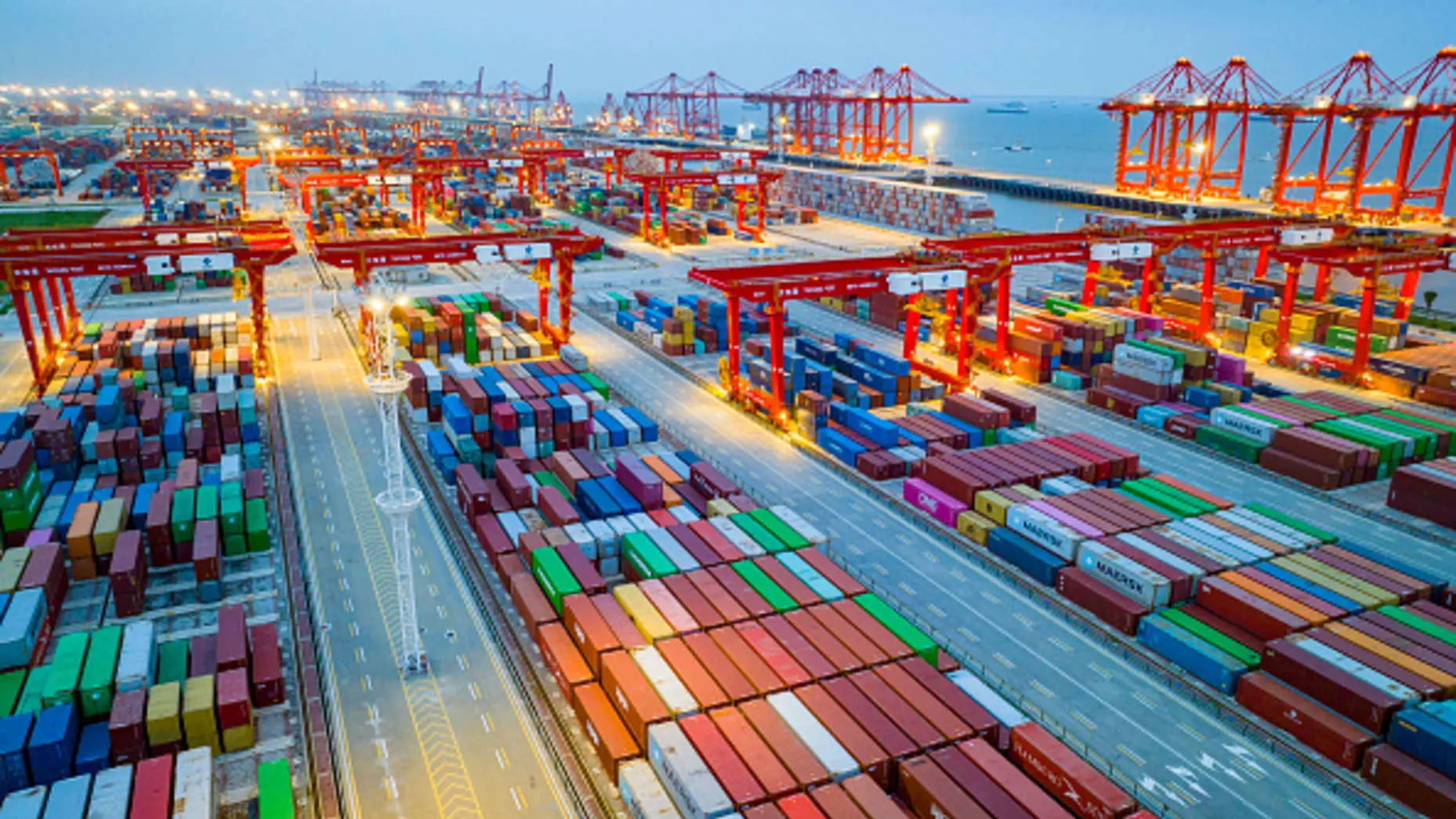
The message is clear: the tariffs will weigh on the country’s broader economic performance, not just trade numbers. Other indicators confirm this slowdown.
Managers no longer expect job growth, with the employment index at 49.3 points. Investment intentions fell to 54.6, the lowest since October 2023.
Cautious Outlook for Brazil’s Industry
Demand expectations and raw material purchases still sit slightly above 50, which signals some growth, but the momentum is fading. Production in July edged up, and capacity use stayed stable at 71 percent, yet firms are cautious with hiring and stocks.
Behind the data sits a broader story about vulnerability. Brazil’s industry relies heavily on export markets and depends on trade rules it does not control.
A decision made in Washington has forced managers thousands of miles away to cut forecasts, delay investments, and brace for weaker sales.
CNI gathered this data from 1,500 firms between August 1 and 12, covering small, medium, and large businesses. Their responses show not only the direct hit from tariffs but also the ripple effect across investment and employment.
The figures underline how trade policy abroad can change growth paths at home. For Brazil’s industries, the tariffs are not just an external shock; they expose the risks of relying too much on a single market.
More: Brazil news in English, every day from The Rio Times.
This article was produced by The Rio Times’ automated newsroom system. How we use AI · Report an error · Editorial responsibility: Matthias Camenzind, Editor-in-Chief
LatAm Markets: Live Signals → — real-time movers, turnover leaders and FX across Latin America.