U.S. Court Confronts Controversial Brazilian Judge Moraes Over Social Media Censorship Demands
A US federal court in Florida has issued a new legal summons to Alexandre de Moraes, a justice on Brazil’s Supreme Federal Court, after requests from Trump Media & Technology Group and Rumble.
The companies accuse Moraes of overreaching his authority by pressuring them to remove accounts from their platforms—actions they argue violate the US Constitution’s protection of free speech.
Trump Media, which operates Truth Social, and Rumble, a US-based video platform, say Moraes targeted accounts of Brazilian right-wing figures, including some living in the US.
They claim Moraes’s orders threaten their business reputation and user trust, and that obeying such demands would mean breaking US law. Moraes has become a controversial figure in Brazil, drawing criticism for his aggressive use of judicial power to control online speech.
Some of his opponents, including politicians and commentators, have labeled his actions as authoritarian, accusing him of acting beyond his constitutional limits.
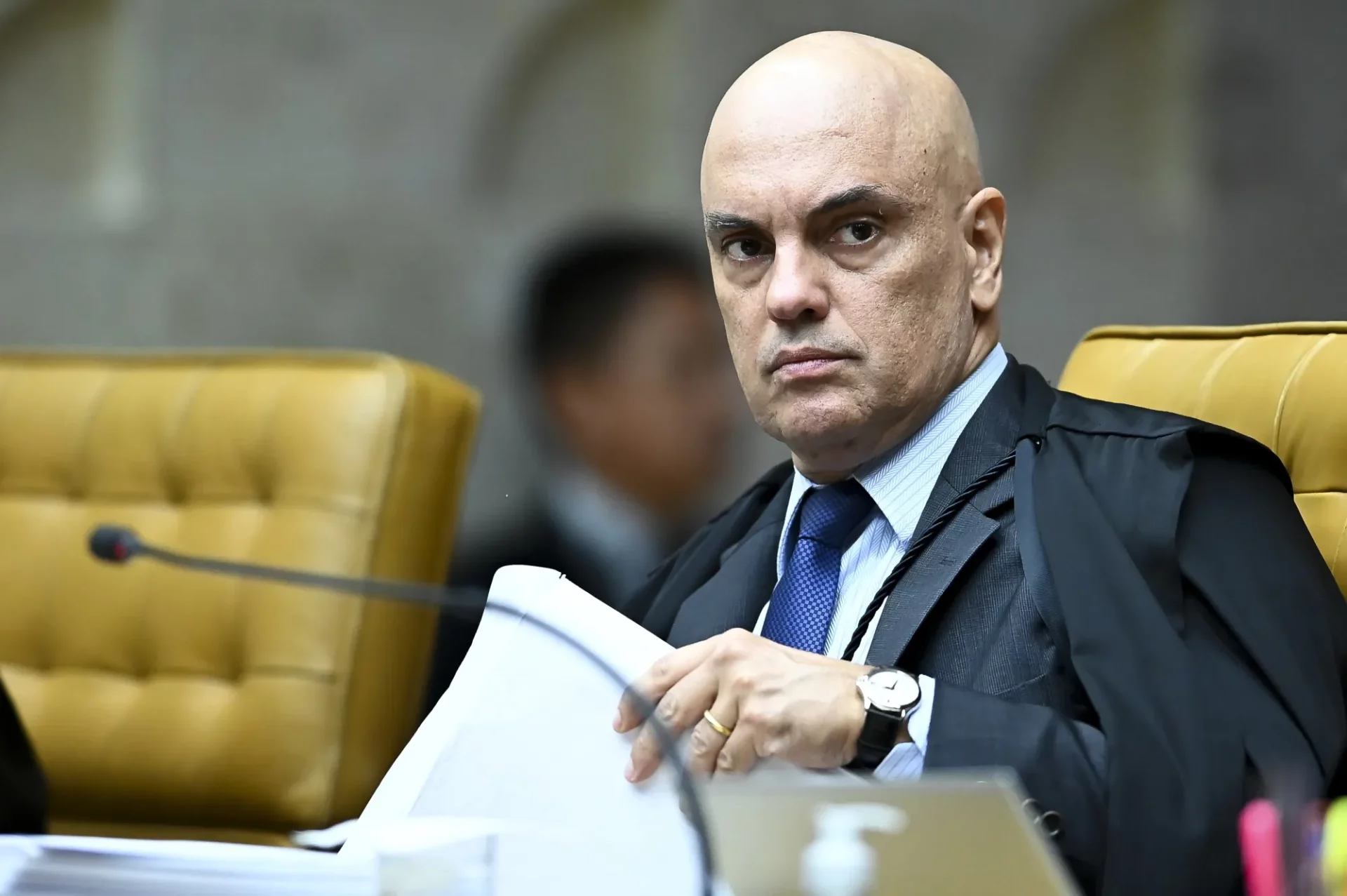
However, Moraes and his supporters argue that his actions are necessary to protect Brazilian democracy from misinformation and anti-democratic movements, especially after the disputed 2022 presidential election.
Legal Clash Tests Global Free Speech and Platform Sovereignty
The conflict escalated when Moraes ordered Rumble to block certain accounts and suspended the platform in Brazil for not appointing a local representative, as required by Brazilian law.
Rumble faces daily fines until it complies. Trump Media and Rumble have asked the US court to declare Moraes’s orders unenforceable in the United States and to award them damages for lost business and reputation.
US District Judge Mary Scriven has not granted an immediate block on Moraes’s orders, stating the companies did not provide enough evidence for urgent intervention. She also noted that Brazilian court rulings do not have legal force in the US.
This legal battle highlights the tension between national sovereignty and global digital platforms. It raises sharp questions about whether a foreign judge can dictate what content is allowed on US-based social media.
It also challenges how companies should respond to legal demands from other countries. The outcome could set a precedent for how tech companies protect free speech and operate internationally.
All information in this article comes from official court documents and public statements by the involved parties.
More: Brazil news in English, every day from The Rio Times.
This article was produced by The Rio Times’ automated newsroom system. How we use AI · Report an error · Editorial responsibility: Matthias Camenzind, Editor-in-Chief