U.S.-Canada Trade Tensions Ease as Ontario Suspends Electricity Surcharge
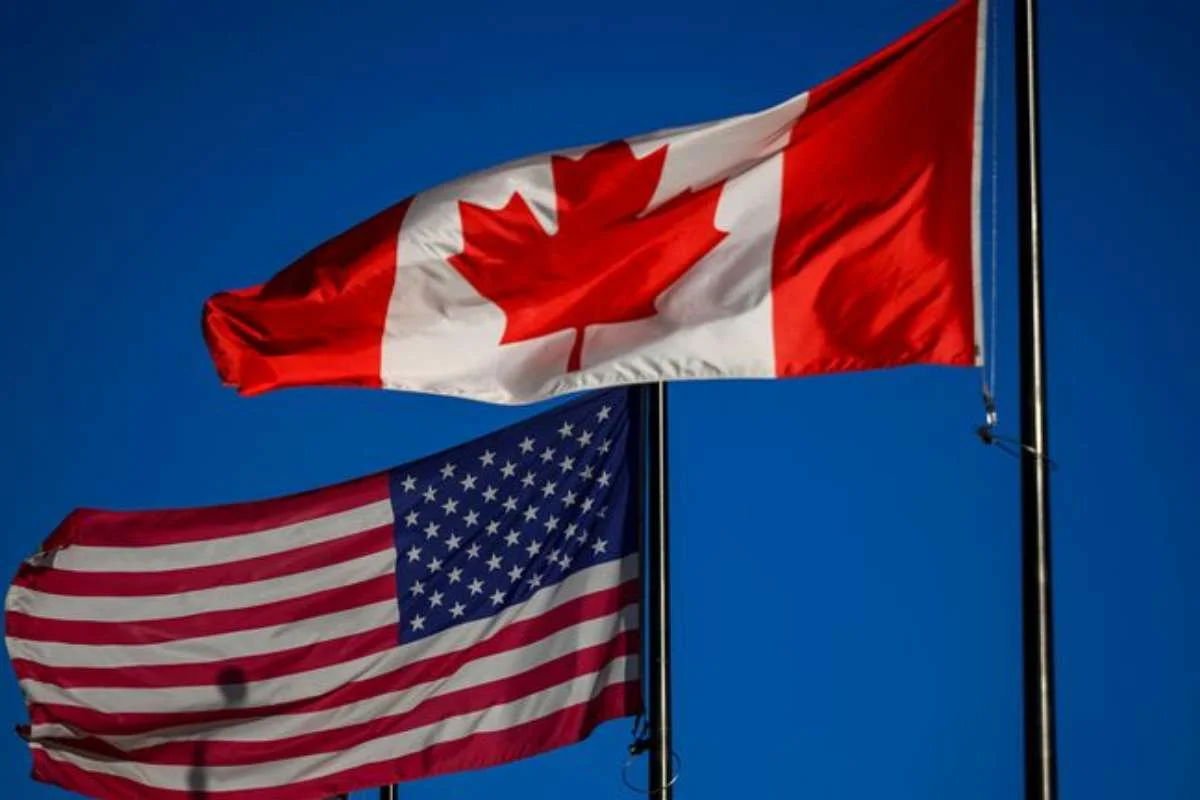
The White House announced Tuesday that President Donald Trump halted plans to double tariffs on Canadian metals after Ontario suspended its retaliatory electricity surcharge.
This development marks the latest twist in an escalating trade dispute between the long-standing allies. Ontario Premier Doug Ford declared the suspension of a 25% surcharge on electricity exports to Michigan, New York, and Minnesota.
This decision followed productive talks with US Commerce Secretary Howard Lutnick. The surcharge would have affected approximately 1.5 million American homes and businesses, potentially increasing monthly utility bills by $100.
Ford agreed to the suspension after Lutnick committed to a formal meeting in Washington on Thursday, March 13. The meeting will include discussions about a renewed USMCA agreement ahead of the April 2 reciprocal tariff deadline.
Trump had earlier threatened to raise tariffs on Canadian steel and aluminum from 25% to 50% in direct response to Ontario’s electricity surcharge. The President also warned he would declare a national electricity emergency in affected states.
“President Trump has again leveraged the strength of the American economy to achieve a victory for the American people,” said White House spokesperson Kush Desai. The original 25% tariff on steel and aluminum will still take effect at midnight on March 12.
Tensions Between US and Canada Impact Financial Markets
The rapid escalation and subsequent de-escalation of tensions rattled financial markets. The Dow closed down 478 points, while the S&P 500 fell 0.8%, nearing correction territory.
Canada remains America’s largest supplier of steel and aluminum. US imports totaled $11.4 billion of aluminum and $7.3 billion of iron and steel from Canada in 2022, according to Commerce Department statistics.
Critics warn these tariffs could harm both economies. A 25% tariff on Canadian aluminum alone might jeopardize 100,000 American jobs, according to Alcoa’s CEO.
The electricity trade between the US and Canada spans over a century. The interconnected grid enhances energy security for both nations, with trade valued at approximately $3.3 billion in 2023.
Trump has maintained his stance on broader tariffs against Canada, though suggested flexibility. During a White House event, he remarked, “We can back off on the 50% tariffs on Canada,” and jokingly added, “If Canada becomes our 51st state, they’ll have no tariffs.”
This article was produced by The Rio Times’ automated newsroom system. How we use AI · Report an error · Editorial responsibility: Matthias Camenzind, Editor-in-Chief