Trump’s 25% Tariffs Shake Brazil’s $6 Billion Steel and Aluminum Exports
President Donald Trump revealed plans to impose a 25% tariff on all steel and aluminum imports into the United States, starting Monday, February 10, 2025.
Speaking to reporters on Sunday, February 9, Trump stated that these tariffs would add to existing duties and target countries he claims hold an unfair advantage in trade with the U.S.
He also announced plans to introduce “reciprocal tariffs” later in the week, which would take immediate effect. This decision echoes Trump’s earlier actions during his first term in office.
In 2018, he imposed similar tariffs—25% on steel and 10% on aluminum—before granting exemptions to key trading partners like Canada, Mexico, and Brazil. A similar pattern emerged in 2020 when Trump reintroduced the tariffs but excluded Brazil from additional sanctions.
However, this time around, no exemptions have been confirmed yet. This has raised concerns among countries heavily reliant on U.S. markets for their metal exports.
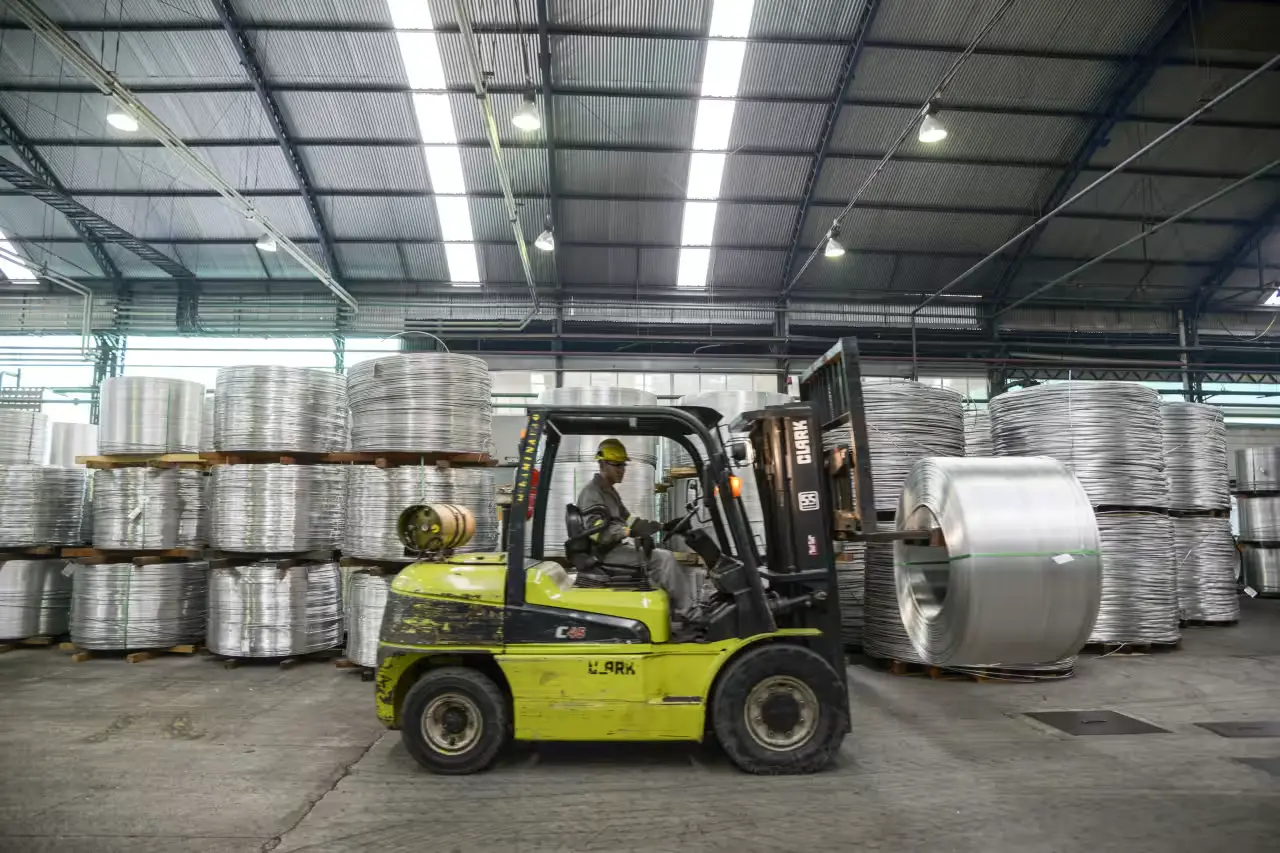
Brazil stands out as one of the most affected nations. In 2024 alone, Brazil exported $6.37 billion worth of iron, steel, and aluminum products globally, with $6.10 billion attributed to iron and steel and $267 million to aluminum.
The Impact of U.S. Tariffs on Brazil’s Metal Exports
The United States accounted for a significant 40.8% of these exports, making it Brazil’s largest buyer of iron and steel and its second-largest market for aluminum. The potential impact of these new tariffs could ripple through Brazil’s economy and its metal industries.
Historical data highlights the importance of U.S.-Brazil trade in metals. In 2020, Brazil exported $3.03 billion worth of iron, steel, and aluminum to the U.S., while in 2018 exports reached $4.51 billion—a 27.6% increase compared to 2017.
The consistent reliance on U.S. markets underscores why new tariffs could disrupt Brazilian exporters. It could also affect global supply chains tied to American demand.
Trump’s renewed focus on protectionist trade measures aligns with his broader economic agenda. However, it raises questions about potential retaliation from affected countries.
As markets brace for volatility, the global metal industry awaits further announcements from the White House. These could include exemptions or additional trade policies that may reshape international commerce.
More: Brazil news in English, every day from The Rio Times.
This article was produced by The Rio Times’ automated newsroom system. How we use AI · Report an error
LatAm Markets: Live Signals → — real-time movers, turnover leaders and FX across Latin America.
Read More from The Rio Times