Portugal Faces Third Election in Three Years as Government Collapses
Portuguese Prime Minister Luís Montenegro’s center-right government collapsed Tuesday night after losing a critical confidence vote in parliament. Lawmakers voted 142-88 against the minority government, forcing it to step down after just 11 months in power.
The political crisis erupted over allegations concerning Montenegro’s family business “Spinumviva,” a consultancy firm he founded. Montenegro transferred the company shares to his wife and two children after becoming politically active in 2022.
The firm maintained contracts with several private entities, including the Solverde casino group that holds government gambling concessions. Montenegro strongly denied any wrongdoing before the vote.
“The suggestion that I mixed my business and political activities is completely abusive and insulting,” he declared to parliament. His government will now remain in a caretaker capacity until new elections.
President Marcelo Rebelo de Sousa must now decide the next steps. He has already suggested mid-May as a potential date for what would become Portugal‘s third election in just over three years.
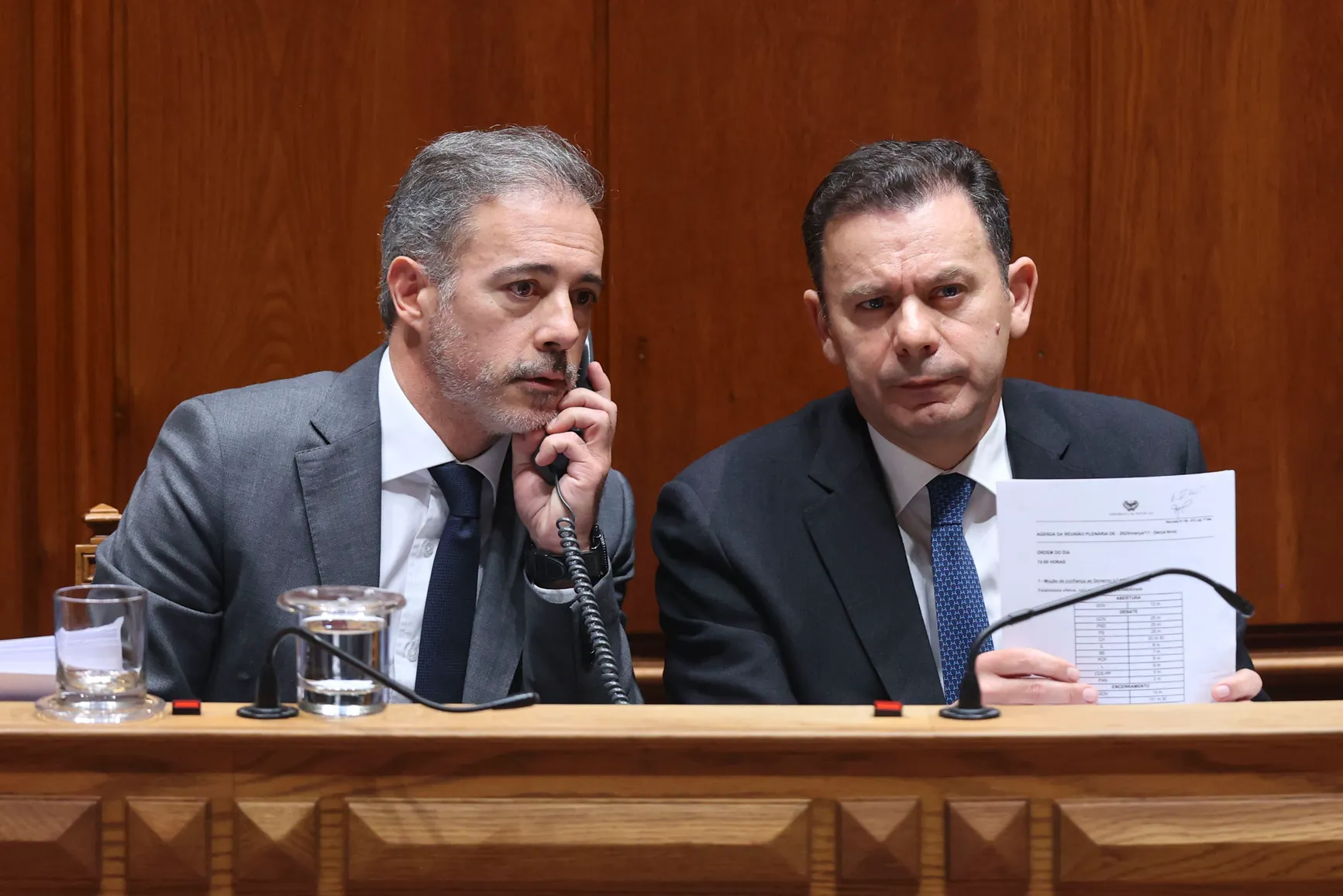
This marks only the second time since Portugal’s return to democracy in 1974 that a government has fallen through a confidence vote. Political analysts express concerns about growing voter fatigue.
Political Instability in Portugal Amid Economic Challenges
Recent polls show minimal changes in voter preferences since the March 2024 election, when Montenegro’s Democratic Alliance won by merely 1,500 votes. The AD and Socialists continue to poll neck-and-neck.
The instability comes at a challenging economic moment for Portugal. The country needs to invest over €22 billion in EU development funds while facing increasing structural expenses. Economic growth projections remain modest at 1.2% for 2024 and 1.8% for 2025.
Financial markets have responded with relative calm to the political turmoil. Portugal’s debt situation has improved in recent years, with public debt-to-GDP reducing to 99% in 2023, helped by low interest expenses of 1.9% of GDP.
The opposition was nearly unified against the government. Only the Liberal Initiative joined Montenegro’s Social Democratic Party and its coalition partner CDS-PP in supporting the confidence motion. All other parties, including the Socialist Party and far-right Chega, voted against the government.
This article was drafted with automated assistance and reviewed before publication. How we use AI · Report an error
Read More from The Rio Times