U.S. Arctic Ambitions Test Ties with Denmark as Vance Visits Greenland Base
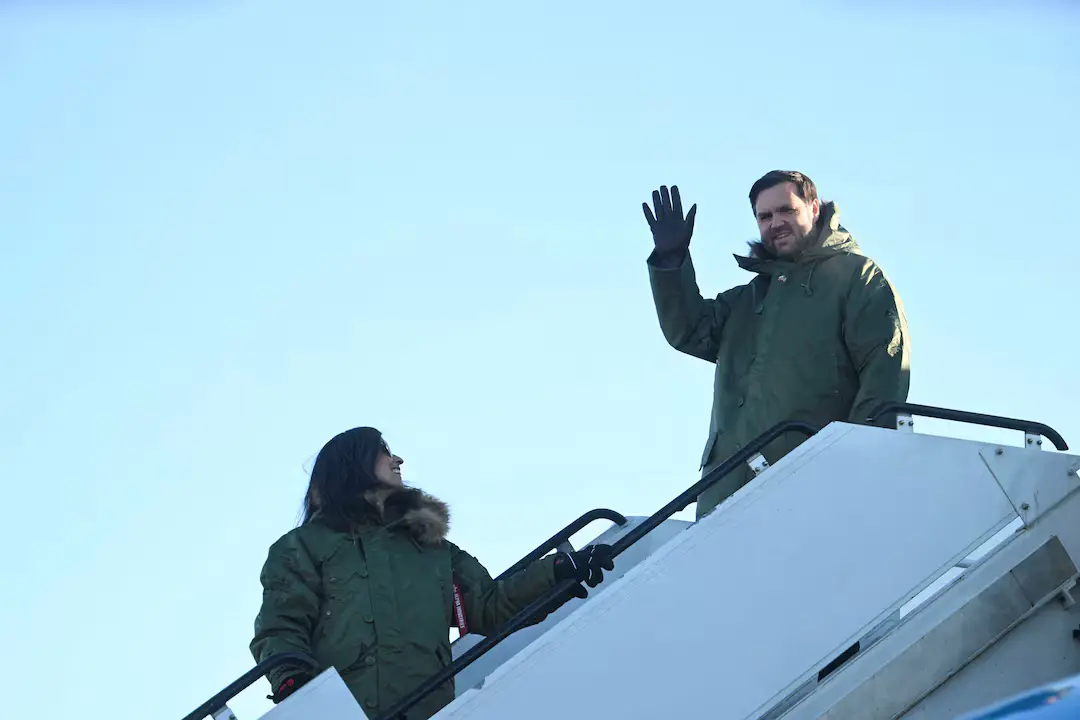
Vice President JD Vance arrived at Greenland’s Pituffik Space Base on March 28, 2025, leading a delegation that included Second Lady Usha Vance, National Security Adviser Mike Waltz, and Energy Secretary Chris Wright.
The trip, shortened to under 24 hours after Danish and Greenlandic leaders protested its lack of consultation, spotlighted escalating tensions over former President Donald Trump’s bid to expand US control over the resource-rich Arctic territory.
Pituffik, formerly Thule Air Base, serves as the Pentagon’s northernmost installation and a linchpin for missile defense. Its Upgraded Early Warning Radar detects launches from as far as Russia or China, while 150 permanent personnel monitor Arctic skies.
Defense analysts call it “irreplaceable” for countering emerging hypersonic threats. Trump has framed Greenland as critical to US security, claiming last week, “We need it for global stability—and we’ll take it if Denmark resists.”
Danish Prime Minister Mette Frederiksen condemned the original three-day itinerary as “unacceptable pressure,” stressing Greenland belongs to its 56,000 residents. Over 90% oppose joining the US, with recent protests in Nuuk featuring signs like “Yankees Go Home.”
Four Greenlandic parties formed a coalition government days before Vance’s arrival, vowing unity against external demands. Prime Minister-designate Jens-Frederik Nielsen declared, “We stand strongest together under this pressure.”
Greenland’s Strategic Role
The base itself remains contentious. Built secretly in 1951, it displaced Inuit communities and left radioactive waste now threatened by melting ice. Renamed in 2023 to reflect Greenlandic heritage, it anchors US-Space Force operations but faces logistical hurdles.
Winter temperatures plunge to -20°C, complicating defenses against modern missile systems. Vance avoided public engagements, focusing instead on troops stationed at Pituffik.
“Arctic security grows more vital each decade,” he told service members, echoing Trump’s stance that Greenland’s minerals and shipping routes warrant US stewardship. A senior aide later accused Denmark of neglecting Greenland’s infrastructure, claims Nuuk officials called “misleading.”
As climate change opens Arctic resources, global powers vie for influence. China and Russia have expanded polar operations, while NATO allies like Denmark balance cooperation with sovereignty concerns.
With Trump eyeing November’s election, his administration’s Greenland push risks fracturing a 75-year alliance—and testing how far hard power extends in the thawing north.
This article was produced by The Rio Times’ automated newsroom system. How we use AI · Report an error · Editorial responsibility: Matthias Camenzind, Editor-in-Chief