Europe’s Fractured Resolve: A Psychogram of a Continent Under Pressure
(Analysis) Europe faces a defining moment as it grapples with the Ukraine crisis and a shifting global landscape, its leaders scrambling to assert control.
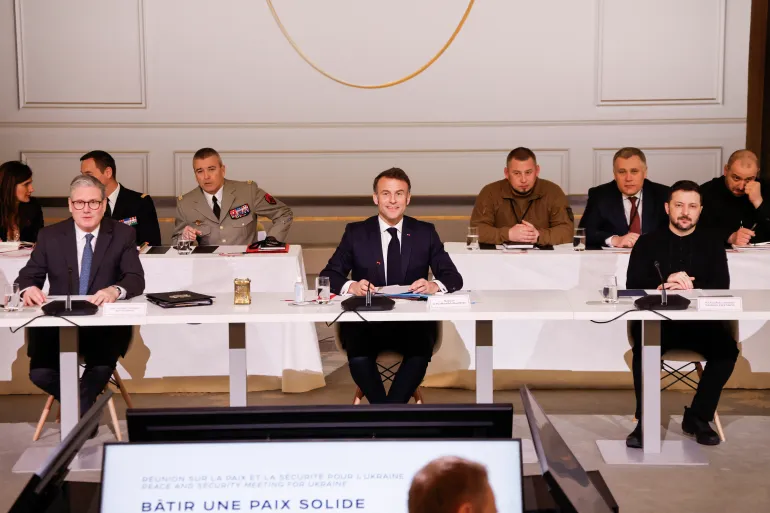
On March 27, 2025, 33 nations met in Paris, led by France and the UK, pledging €2 billion in French military aid and a £1.6 billion British missile deal to bolster Ukraine against Russia.
Yet, the past 48 hours expose a stark divide between bold intentions and faltering unity, painting a poignant picture of a continent wrestling with ambition, fear, and fragmentation.
France’s Emmanuel Macron pushes forward, unveiling “reassurance forces” to deter Russia post-ceasefire. Meanwhile, British military planners prepare to visit Ukraine next week alongside French counterparts.
The UK’s Keir Starmer doubles down, advocating tougher sanctions to choke Russia’s economy. These moves signal a Europe eager to fill a void left by a U.S. administration under Donald Trump, which brokered a Black Sea ceasefire on March 26 without European input and eyes economic deals with Moscow.
However, the resolve crumbles beyond these two nations. Germany’s incoming Chancellor Friedrich Merz balks at troop deployments, deeming them premature. Italy’s Giorgia Meloni rejects sending soldiers outright, prioritizing domestic stability.
Poland, despite its frontline status, limits itself to logistics, wary of escalation. This uneven commitment lays bare Europe’s fractured psyche. Eastern nations like Poland and the Baltics cling to fading U.S. ties, shaken by Trump’s inward turn.
Struggles for Unity Amid Rising Tensions
Vice President J.D. Vance’s provocations in Greenland, which Denmark’s Mette Frederiksen condemned on March 27, have added to their concerns. Southern states like Italy and Spain hesitate, their economies strained and populism surging.
Hungary’s Viktor Orban and Slovakia’s Robert Fico defy the pack, favoring talks with Russia over confrontation. The EU’s March 26 call for citizens to stockpile three days of essentials reflects this unease—a practical measure laced with dread.
Europe’s soul teeters between defiance and doubt. France and the UK muster confidence, driving aid and strategy—over €4 billion flowed to Ukraine this week. Yet, fear of abandonment gnaws at the continent, rooted in decades of reliance on NATO and the U.S. nuclear umbrella, still deemed vital by some.
Proposals for a French-led nuclear alternative surface, but Germany’s skepticism and France’s internal woes dim its prospects. Sanctions, a touted strength, hang by a thread; Hungary could unravel EU unanimity by July, leaving Europe’s leverage shaky.
Russia exploits this disarray, with Putin’s March 27 Arctic warnings testing a continent struggling to act as one. The U.S. drifts further, its bases dotting European soil a reminder of past dependence now clashing with present tensions.
Denmark braces for Greenland’s fallout, a potential fracture point that could split NATO and strain EU solidarity. Eastern Europe mourns America’s shift, while the south resists deeper entanglement, exposing a collective identity torn between past security and an uncharted future.
Europe’s current portrait is not mere noise—it’s a stark reflection of its limits. The 33-nation coalition stands, but its strength varies wildly, from France’s resolve to Hungary’s defiance. Ambition drives aid and plans, yet paralysis stalls decisive action.
This psychogram reveals a continent desperate to lead, yet tethered to old fears, united in purpose but splintered in practice. The Ukraine crisis tests Europe’s will, and for now, its response remains a strained chorus, searching for a unified voice amid mounting pressure.
Read More from The Rio Times