Trump’s Diverse Guest List Signals Shift in U.S. Diplomatic Approach
Donald Trump’s return to the White House on January 20, 2025, is set to be a groundbreaking event in American political history. The President-elect has extended invitations to a diverse group of world leaders, signaling a shift in diplomatic norms.
Among the invitees are Javier Milei of Argentina, Xi Jinping of China, Giorgia Meloni of Italy, and Nayib Bukele of El Salvador. This eclectic mix of right-wing and leftist leaders showcases Trump’s unconventional approach to international relations.
Xi Jinping’s attendance remains uncertain, with a high-level Chinese delegation likely to represent him instead. When questioned about Xi’s presence, Trump avoided a direct answer but emphasized their “very good relationship”.
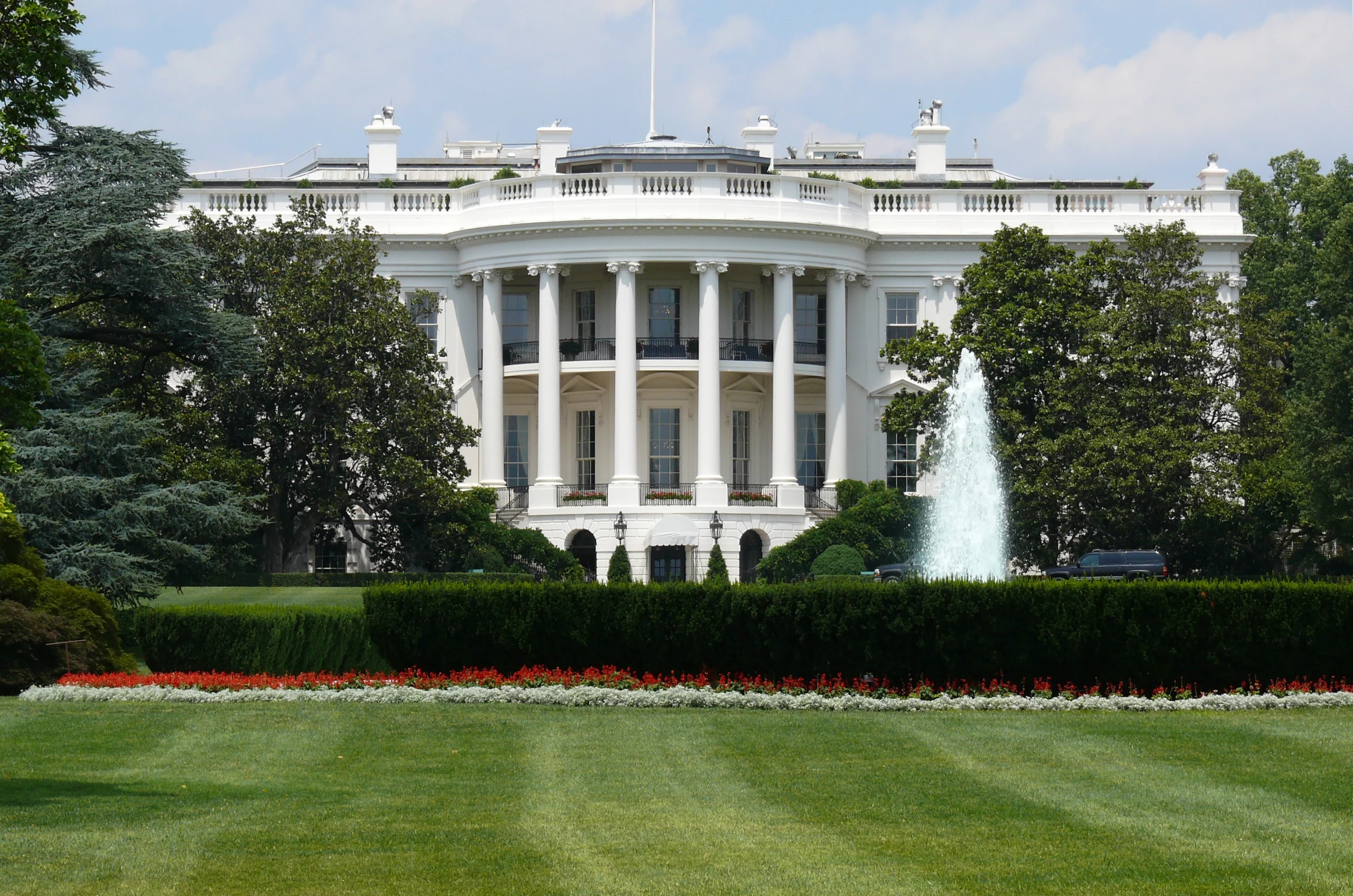
Karoline Leavitt, Trump’s spokesperson, framed these invitations as an example of the President-elect’s commitment to open dialogue with allies, adversaries, and competitors alike. Some invitations were extended informally through phone conversations or secret channels.
This bold move by Trump is unprecedented in American history. No foreign head of state has previously made an official visit to the U.S. for a presidential inauguration. The decision has sparked debate among experts, with some viewing it as a strategic diplomatic maneuver and others expressing concern about its implications.
Trump’s Diverse Guest List Signals Shift in U.S. Diplomatic Approach
In a surprising turn of events, tech giants Amazon and Meta have each donated $1 million to Trump’s inauguration fund. This support comes despite past tensions between Trump and the tech industry. Jeff Bezos, Amazon’s founder, expressed optimism about Trump’s upcoming term, citing concerns about overregulation as a reason for his support.
Trump’s approach to his second inauguration reflects his unique style of governance, blending elements of “America First” isolationism with selective engagement on the global stage. As the world watches, this unconventional start to Trump’s second term promises to reshape international relations and set a new tone for American diplomacy in the years to come.
This article was produced by The Rio Times’ automated newsroom system. How we use AI · Report an error · Editorial responsibility: Matthias Camenzind, Editor-in-Chief