Brazil Fuel Subsidy Bill Reaches US$6.2 Billion, Treasury Says Revenue Covers It
Economy · Brazil
Key Facts
- —What happened Brazil’s Treasury said on 29 September 2026 that extra energy revenue outruns the cost of cheaper fuel.
- —How big it is The Treasury projects R$67.5 billion (about US$12.9 billion) of extraordinary energy revenue for 2026.
- —What it has cost Brazil’s fuel subsidy and tax breaks came to R$32.4 billion (about US$6.2 billion) by the end of August.
- —The catch That cost figure stops at August and leaves out September’s package, priced near R$7 billion (about US$1.3 billion) a month.
- —What comes next Brazil votes on Sunday 4 October 2026, and the gasoline tax cut expires five days later.
Five days before Brazilians vote, the government says the money it earns from higher energy prices more than pays for the discounts at the pump. The two figures it compared cover different periods.
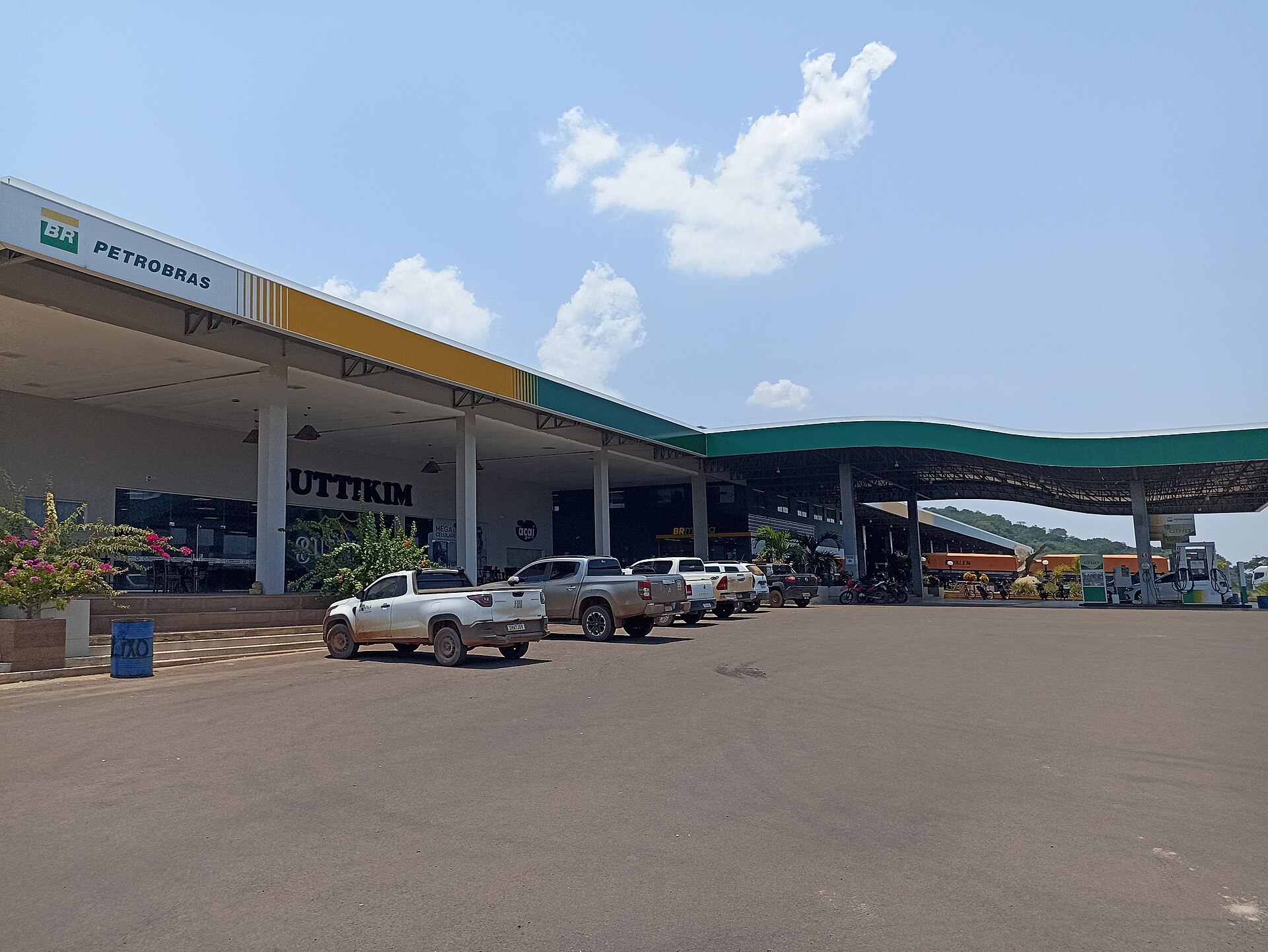
Brazil’s fuel subsidy bill is smaller than the energy revenue paying for it, the National Treasury said on Tuesday. It published the figures on 29 September 2026, five days before Brazil votes.
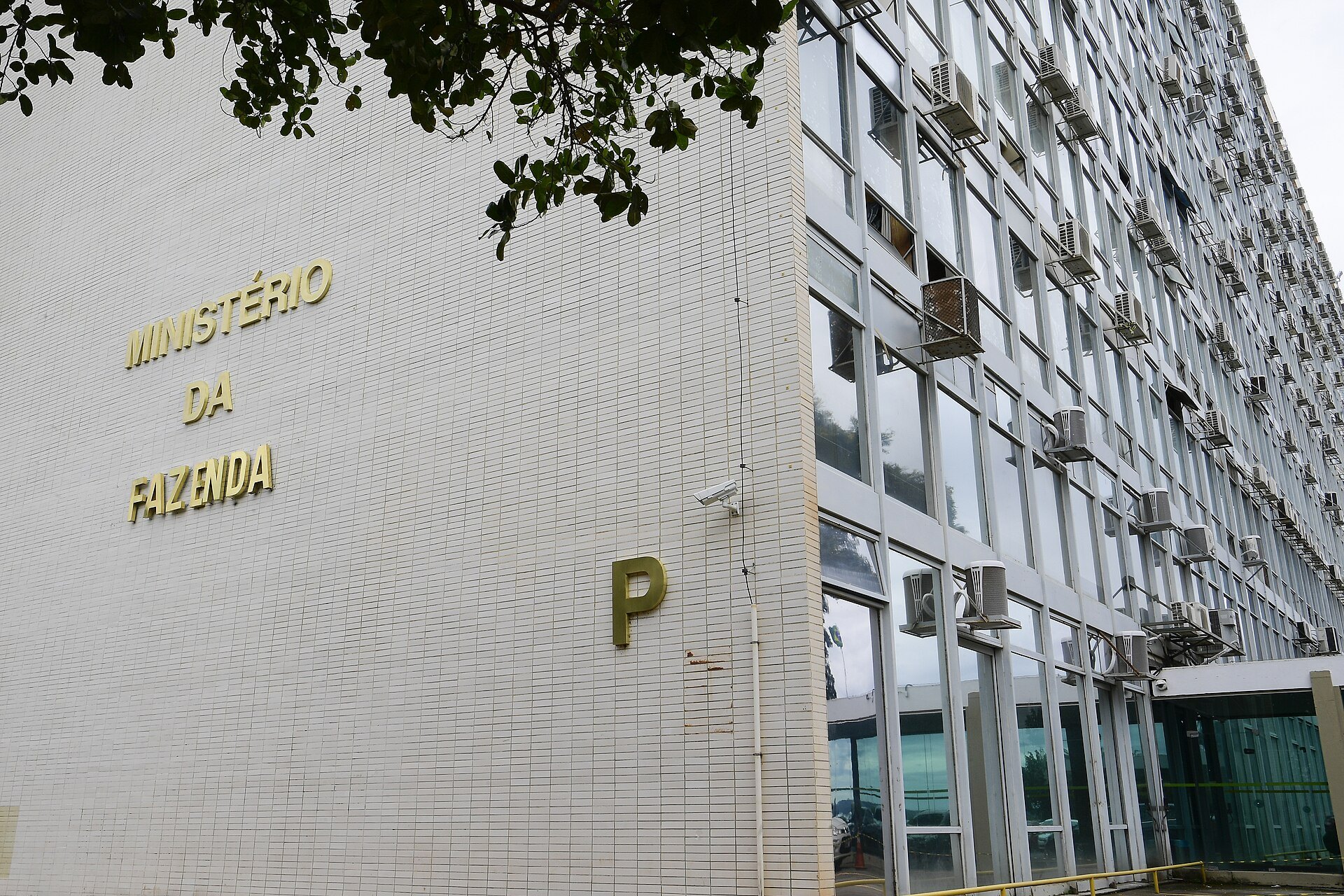
The Treasury is the arm of the finance ministry that publishes the federal accounts. Its secretary, Daniel Leal, put the extra energy revenue for 2026 at R$67.5 billion (about US$12.9 billion).
Against that it set R$32.4 billion (about US$6.2 billion) of fuel subsidies and tax breaks, counted to the end of August. Subtract one from the other and the gap is R$35.1 billion (about US$6.7 billion).
All conversions here use a rate of 5.2204 to the US dollar. That is the Banco Central do Brasil PTAX selling rate for 29 September 2026.
The two numbers do not cover the same months
The revenue side is a projection for the whole of 2026. The cost side stops at the end of August and leaves September out.
September was the most expensive month of the year so far. Measures signed on 9 September 2026 carry a cost of about R$7 billion (about US$1.3 billion) a month.
That estimate came from Bruno Moretti, Brazil’s planning and budget minister, on the day they were signed.
Five days before the Treasury spoke, the ministry gave a fuller number. Its executive secretary, Rogério Ceron, put all of this year’s fuel measures near R$40 billion (about US$7.7 billion).
Set that against the same revenue projection and the headroom falls to R$27.5 billion (about US$5.3 billion). Both sums are the government’s own.
How Brazil is holding pump prices down
Brazil’s fuel subsidy is only one of three things working at once. None of them is a price freeze.
The first is a tax cut. Decree 13,116 of 9 September 2026 lowered federal duty on gasoline by R$0.63 a litre (about US$0.12).
The decree carries two signatures: President Luiz Inácio Lula da Silva and his finance minister, Dário Durigan. The duties it cut are PIS and Cofins, two federal levies charged on sales.
The same decree zeroed those levies on hydrated ethanol, worth R$0.19 a litre (about US$0.04).
Those cuts run from 10 September to 9 October 2026 and apply at the refinery and the import gate. How much reaches the pump depends on each distributor and retailer along the chain.
The second is a straight payment. The state gives producers and importers R$2.12 for every litre of road diesel (about US$0.41).
The finance ministry issued that renewal as ordinance 2,946 on 25 September 2026, and it took effect on 27 September. It runs in 30-day cycles, and the ministry has set no end date.
The third is Petrobras. Brazil’s state-controlled energy company says it does not pass international swings straight through to Brazilian buyers.
On 17 September 2026 Petrobras raised diesel for distributors by R$1 a litre (about US$0.19). A federal payment of the same size cancelled the increase out.
What the tax take actually shows
The Receita Federal, Brazil’s tax agency, published its August figures on 22 September 2026. Federal revenue reached R$235.6 billion that month (about US$45.1 billion), a record for August.
That was 8.25% higher than August 2025 once inflation is stripped out. For January to August, revenue came to R$2.11 trillion (about US$404 billion), up 7.12% in real terms.
Energy did much of the lifting. Taxes on petroleum and natural gas production reached R$93.3 billion in those eight months (about US$17.9 billion).
The same taxes brought in R$16.3 billion (about US$3.1 billion) a year earlier. A temporary export duty on fuels accounted for about R$9.9 billion (about US$1.9 billion) of this year’s figure.
The Treasury expects R$21 billion (about US$4 billion) from that duty across the whole of 2026. More than half of it has yet to arrive.
The accounts are still in the red
The same release showed a primary deficit of R$13.6 billion for August (about US$2.6 billion). That was the smallest August shortfall in five years.
A primary deficit measures spending against revenue before interest on the public debt. For the year to August the central government was R$94.9 billion short (about US$18.2 billion).
Why the windfall could fade
The revenue moves with the price of a barrel and with the exchange rate. Brent traded at US$104.46 a barrel at 11 a.m. New York time on 28 September 2026.
Royalties and the export duty are calculated against dollar prices. When the real, Brazil’s currency, strengthens, the same dollars become fewer reais.
Brazil’s own 2027 budget bill assumes an average of about US$71. The Senate’s Independent Fiscal Institution, which checks the government’s numbers, assumes US$75.
About 90% of Brazil’s natural-resource revenue depends on petroleum and natural gas. That is from the institution’s report of 17 September 2026.
The same report gives the government’s own 2027 estimate for that revenue as R$176.3 billion (about US$33.8 billion).
What the critics say
Felipe Salto is chief economist at the investment house Warren. He was finance secretary of the state of São Paulo before that.
He put a blunt question to Folha de S.Paulo in April 2026, when the plan first surfaced. If a government will not reach the centre of its fiscal target in a windfall year, he asked, when will it?
Marcus Pestana is executive director of the Instituição Fiscal Independente, the Senate’s fiscal watchdog. He described the approach as a political choice in favour of fighting inflation.
The pump tells its own story. Average gasoline prices rose 3.98% between 28 February and 12 September 2026, and diesel rose 8.62%.
Those figures come from the ANP, Brazil’s federal fuel regulator. Ethanol, made inside Brazil from sugar cane, fell 12.74% over the same months.
Carlos Eduardo Oliveira Jr. leads Sindecon-SP, the economists’ union in São Paulo state. He said the payment softens part of the impact but may not cover the whole rise in costs.
What it means before Sunday
Brazilians vote in the first round on Sunday 4 October 2026. Lula is seeking a fourth term against Senator Flávio Bolsonaro.
Fuel prices feed straight into inflation and into how voters judge a government. The gasoline tax cut expires on 9 October 2026, five days after the vote.
For anyone living in Brazil, the practical point is plain. The discount at the pump is temporary, and the money behind it moves with a price set outside the country.
The government says the sums balance for 2026. Whether they balance next year depends on a number no minister sets.
More: Brazil coverage, every day from The Rio Times.
Frequently Asked Questions
Is the Brazil fuel subsidy a payment or a tax cut?
Both, and a third thing as well. Decree 13,116 of 9 September 2026 cut federal PIS and Cofins duty on gasoline by R$0.63 a litre (about US$0.12) and zeroed it on hydrated ethanol. Separately, the state pays producers and importers R$2.12 for every litre of road diesel (about US$0.41), renewed by ordinance 2,946 of 25 September 2026 and in force from 27 September for another 30 days. On top of that, Petrobras chooses not to pass every international swing through to Brazilian buyers.
How much has the Brazil fuel subsidy cost so far?
The National Treasury put the bill at R$32.4 billion (about US$6.2 billion) to the end of August 2026. That is R$24.4 billion (about US$4.7 billion) of direct payments plus about R$8 billion (about US$1.5 billion) of tax revenue given up. It does not include the package signed on 9 September 2026, which the planning and budget ministry costed at about R$7 billion (about US$1.3 billion) a month.
Where does the extra energy revenue come from?
Three places. Higher royalties and special participations paid by companies that produce petroleum in Brazilian waters, higher tax on the profits of those producers, and a temporary duty on fuel exports. The Treasury expects R$21 billion (about US$4 billion) from the export duty alone in 2026. The Receita Federal counted about R$9.9 billion (about US$1.9 billion) of it between January and August.
What happens to fuel prices after the election?
The gasoline and ethanol tax cuts are written to expire on 9 October 2026, five days after the first round. The diesel payment runs in 30-day cycles, and the finance ministry has said it will decide each renewal according to international prices. No end date has been announced for it.
Sources: CNN Brasil on the Treasury’s energy revenue projection, Metrópoles on Daniel Leal’s figures, CNN Brasil on the August primary result, CNN Brasil on Rogério Ceron’s fuller cost estimate, Decree 13,116 of 9 September 2026 on the Planalto site, O Tempo on the gasoline and ethanol tax cut, Agência Brasil on the cost of the September package, Poder360 on the diesel subsidy extension, ADVFN on the Petrobras diesel increase and the offsetting subsidy, Poder360 on the Receita Federal’s August revenue figures, Instituição Fiscal Independente, Fiscal Monitoring Report 116 of 17 September 2026, Brasil Agro’s reprint of the Folha de S.Paulo interviews with economists, Metrópoles on ANP pump prices and Sindecon-SP, Fortune on the Brent price on 28 September 2026, National Treasury on the appointment of Daniel Leal
Read More from The Rio Times