Trump Challenges Big Pharma as Americans Pay Triple for the Same Medicines
Donald Trump recently demanded that leaders of the top 17 drug companies lower medicine prices in the United States.
This move highlights a reality confirmed by official US government and international studies: Americans pay, on average, nearly three times more for the exact same prescription medicines than people in the UK, France, or Germany.
The heart of the problem is policy. In the US, pharmaceutical companies set their own prices. In most other wealthy countries, governments push back against high costs, negotiating prices down for everyone.
That’s why two people using the same diabetes drug—one in London and one in New York—pay such different amounts. On a monthly basis, an American might pay $300, while a Brit pays only $100 or less.
Drugmakers defend this system, saying US revenues fund research that benefits the world. But the numbers show these extra charges mainly boost profits.
The United States makes up only 4 percent of the world’s population, but accounts for nearly 40 percent of global prescription drug sales. For the world’s best-selling drugs, up to 64 percent of revenue comes from the US market alone.
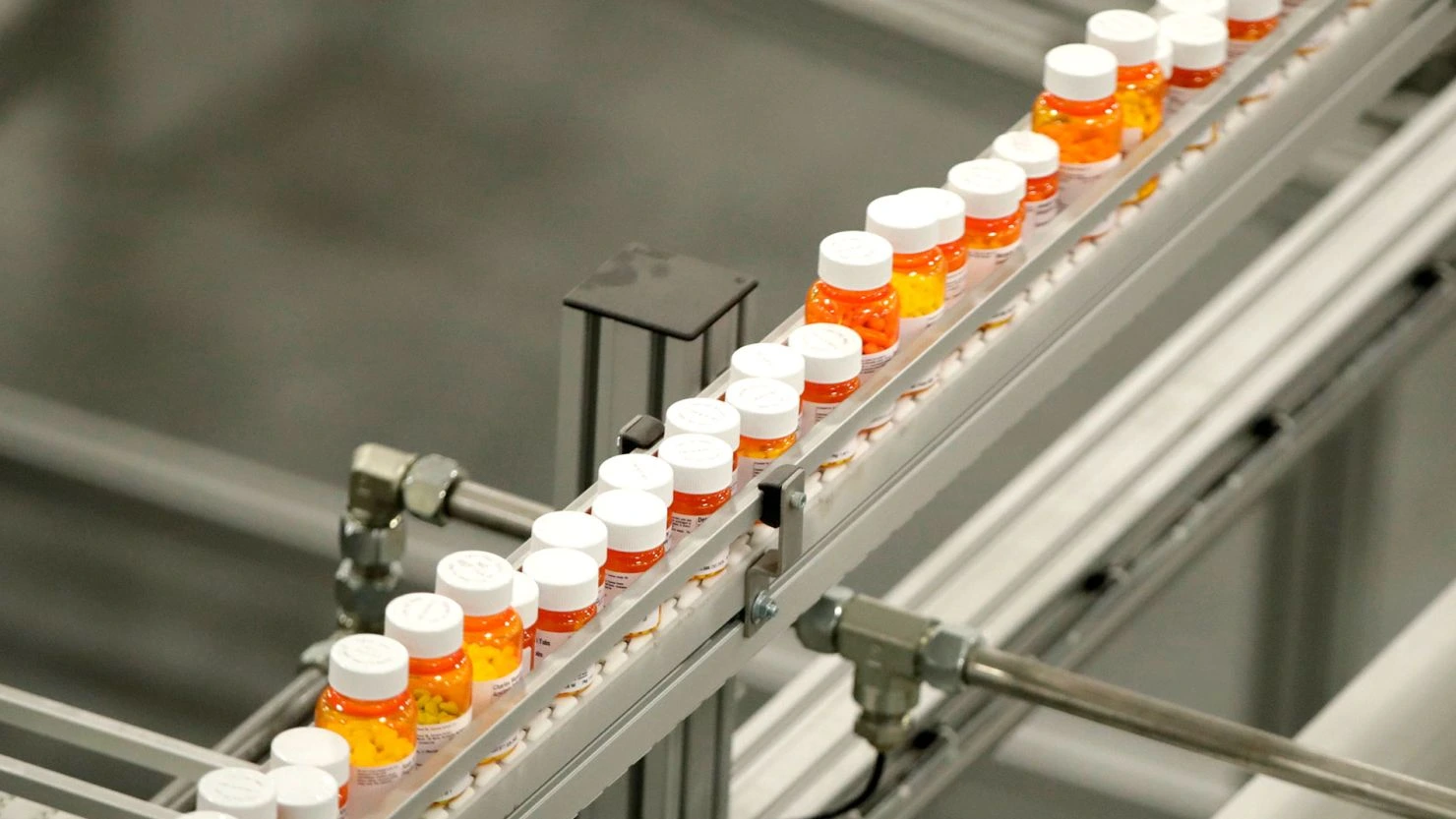
For ordinary people, the effects are harsh. Many Americans skip doses or don’t fill their prescriptions because costs are too high. At the same time, drug companies earn billions and invest heavily in lobbying to keep the system running.
Trump’s demand is not the first political attempt to close the price gap. Proposals to lock US prices to the lowest in other advanced countries always meet strong resistance from the industry and some lawmakers.
Recent trade tariffs on foreign medicines have only made things more uncertain, while the gap in what Americans and others pay continues to grow. Why does this matter outside the US? American drug pricing policy sets the tone for global business.
The US market’s willingness to pay, mostly unchecked, shapes what companies charge elsewhere and how they plan for new medicines. Understanding how these costs are set—and who pays the most—affects healthcare budgets and patient access everywhere.
Ultimately, the high drug prices Americans pay are not about better products or health outcomes. They come from government policy choices.
Changing those choices could lower costs in the US and, in the long run, even influence what people worldwide pay for their medicines.
This article was produced by The Rio Times’ automated newsroom system. How we use AI · Report an error · Editorial responsibility: Matthias Camenzind, Editor-in-Chief