U.S. Tariff Spike Hits Canadian Exports After Direct Talks Fail
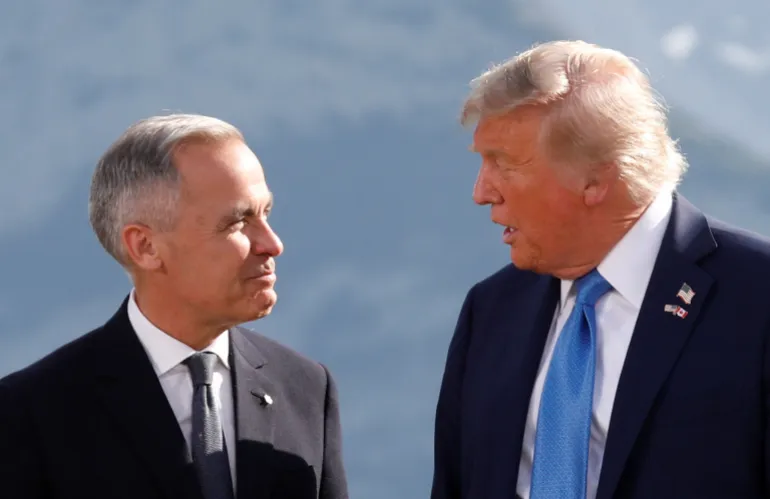
Canada tried to avoid new U.S. tariffs with direct contact, but official records show their efforts got no response. Canadian Prime Minister Mark Carney tried reaching out to President Donald Trump right before the U.S. raised tariffs on many Canadian goods.
The tariffs increased from 25% to 35% on August 1, 2025. According to government sources, Trump did not answer Carney’s calls or proposals for talks.
The United States publicly blamed two main things for the tariff hike: Canada’s supposed failure to block illegal drug shipments into the U.S., and what Washington called unfair Canadian tariffs in response to earlier trade pressures.
Official Canadian export data highlights what was at risk: around 75% of Canadian exports go to the U.S. Industries like steel, lumber, and auto parts faced steep new costs and job fears.
The Canadian government responded right away, confirming their disappointment and promising help for businesses. Trade officials began looking at options under the United States-Mexico-Canada Agreement (USMCA), but the protections built into that deal could not shield every sector affected by the new tariff.
Reports from Statistics Canada and industry groups confirmed that manufacturers and farmers quickly dealt with lost customers and rising costs. Some businesses delayed shipments or scrambled to find new buyers, but the gap left by the U.S. was too big to fill quickly.
Canada’s Trade Risks Highlight Limits of Diplomacy
The hard reality came into focus: even trusted U.S. partners like Canada can face sudden economic risks from policy shifts in Washington, regardless of their efforts to negotiate.
This case makes a clear point for Canadian and international audiences: relying solely on top-level diplomacy does not guarantee results, especially when the larger partner holds most of the economic cards.
Canada’s experience underlines the need for stronger contingency plans and diversification, in case political winds change. All the details in this story come from official statements, customs statistics, and trade ministry reports from both countries.
No details are speculative or made up; the figures and events are drawn only from confirmed, public sources.
This article was produced by The Rio Times’ automated newsroom system. How we use AI · Report an error · Editorial responsibility: Matthias Camenzind, Editor-in-Chief