IBOV 208,865.27 ▲ 8.72% IPSA 11,072.62 ▲ 1.43% IPC MEX 64,531.68 ▲ 1.10% MERVAL 2,882,805 ▲ 4.16% COLCAP 2,576.14 ▲ 2.43% BVL PERÚ 59,860.04 ▲ 0.55% USD/BRL4.99▼ 4.34% USD/MXN18.08▼ 0.48% USD/CLP971.12▼ 1.96% USD/COP3,203▼ 1.57% USD/PEN3.45▲ 0.32% USD/ARS1,520▼ 0.35% USD/UYU40.34▼ 0.30% USD/PYG5,844▲ 0.40% USD/BOB11.95▲ 0.17% USD/DOP60.10▲ 0.33% USD/CRC455.71▼ 0.15% USD/GTQ7.63▼ 0.09% USD/HNL26.86▼ 0.01% USD/NIO36.62— 0.00% USD/VES869.19▼ 0.13% USD/PAB1.00— 0.00% USD/BZD2.00— 0.00% USD/JMD 157.28 — 0.00% USD/TTD6.68▼ 0.14% EUR/BRL5.61▼ 4.76% BRENT 88.88 ▼ 0.03% WTI 83.11 ▼ 0.11% IRON ORE 161.91 — — COPPER 6.61 ▲ 0.03% GOLD 4,461 ▲ 1.78% SILVER 65.59 ▲ 1.26% SOY 1,184 ▲ 3.20% CORN 480.50 ▲ 10.02% WHEAT 655.00 ▲ 3.93% COFFEE 317.25 ▼ 5.51% SUGAR 16.43 ▼ 1.79% ORANGE JUICE 138.55 ▼ 0.47% COTTON 85.03 ▲ 2.33% COCOA 5,719 ▲ 3.18% BEEF 223.60 ▼ 3.93% CATTLE 339.10 ▼ 3.16% LITHIUM 75.20 ▲ 1.47% PETR4 41.64 ▼ 0.05% VALE3 72.97 ▲ 0.83% ITUB4 38.60 ▼ 1.03% BBDC4 16.85 ▲ 0.36% ABEV3 14.89 ▼ 0.80% BBAS3 19.37 ▲ 0.47% B3SA3 14.26 ▼ 0.21% WEGE3 47.59 ▲ 0.49% PRIO3 59.14 ▼ 0.19% SUZB3 41.33 ▲ 2.35% RENT3 34.68 ▼ 0.09% AZZA3 15.89 ▼ 2.63% CSAN3 3.22 ▼ 1.83% RAIZ4 0.25 — 0.00% PCAR3 2.75 ▼ 0.36% GMAT3 3.65 ▼ 1.08% PSSA3 48.13 ▼ 0.54% CVCB3 1.33 ▼ 2.92% POSI3 3.36 ▲ 2.44% SLCE3 13.34 ▲ 0.30% NATU3 8.14 ▼ 0.73% IBOV 208,865.27 ▲ 8.72% IPSA 11,072.62 ▲ 1.43% IPC MEX 64,531.68 ▲ 1.10% MERVAL 2,882,805 ▲ 4.16% COLCAP 2,576.14 ▲ 2.43% BVL PERÚ 59,860.04 ▲ 0.55% USD/BRL 5.16 ▲ 0.01% USD/MXN 17.06 ▼ 0.24% USD/CLP 913.98 ▲ 0.04% USD/COP 3,140 ▲ 0.03% USD/PEN 3.36 ▼ 0.66% USD/ARS 1,493 ▲ 0.10% USD/UYU 40.27 ▲ 1.24% USD/PYG 5,939 ▲ 1.68% USD/BOB 11.64 ▼ 0.76% USD/DOP 58.34 ▲ 1.25% USD/CRC 445.92 ▲ 0.89% USD/GTQ 7.62 ▲ 2.21% USD/HNL 26.79 ▲ 1.57% USD/NIO 36.62 ▲ 0.69% USD/VES 762.44 ▼ 0.13% USD/PAB 1.00 — 0.00% USD/BZD 2.00 — 0.00% USD/JMD 157.28 — 0.00% USD/TTD 6.70 ▲ 0.61% EUR/BRL 5.95 ▲ 1.01% BRENT 88.88 ▼ 0.03% WTI 83.11 ▼ 0.11% IRON ORE 161.91 — — COPPER 6.61 ▲ 0.03% GOLD 4,461 ▲ 1.78% SILVER 65.59 ▲ 1.26% SOY 1,184 ▲ 3.20% CORN 480.50 ▲ 10.02% WHEAT 655.00 ▲ 3.93% COFFEE 317.25 ▼ 5.51% SUGAR 16.43 ▼ 1.79% ORANGE JUICE 138.55 ▼ 0.47% COTTON 85.03 ▲ 2.33% COCOA 5,719 ▲ 3.18% BEEF 223.60 ▼ 3.93% CATTLE 339.10 ▼ 3.16% LITHIUM 75.20 ▲ 1.47% PETR4 41.64 ▼ 0.05% VALE3 72.97 ▲ 0.83% ITUB4 38.60 ▼ 1.03% BBDC4 16.85 ▲ 0.36% ABEV3 14.89 ▼ 0.80% BBAS3 19.37 ▲ 0.47% B3SA3 14.26 ▼ 0.21% WEGE3 47.59 ▲ 0.49% PRIO3 59.14 ▼ 0.19% SUZB3 41.33 ▲ 2.35% RENT3 34.68 ▼ 0.09% AZZA3 15.89 ▼ 2.63% CSAN3 3.22 ▼ 1.83% RAIZ4 0.25 — 0.00% PCAR3 2.75 ▼ 0.36% GMAT3 3.65 ▼ 1.08% PSSA3 48.13 ▼ 0.54% CVCB3 1.33 ▼ 2.92% POSI3 3.36 ▲ 2.44% SLCE3 13.34 ▲ 0.30% NATU3 8.14 ▼ 0.73%
since 2009
Monday, October 5, 2026

The Myth of the Untouched Amazon Before the Arrival of European Conquerors

By · August 22, 2025 · 2 min read

A peer-reviewed study in Science reports that airborne laser mapping has uncovered extensive pre-Columbian settlements hidden beneath the Ecuadorian Amazon.

Researchers working in the Upano Valley used Lidar technology to penetrate the forest canopy and identified more than 6,000 earthen platforms, plazas, and an engineered network of roads and canals.

The results overturn the long-standing view that the rainforest existed as a pristine, uninhabited wilderness before European contact.

Archaeologists dated the sites to between 500 BCE and around 600 CE. The findings show an urban system that integrated residential, ceremonial, and agricultural spaces through deliberate planning.

Straight roads ran for kilometers and often connected to drainage canals, linking clusters of platforms and plazas into what scholars describe as a form of “garden urbanism.”

The Myth of the Untouched Amazon Before the Arrival of European Conquerors
The Myth of the Untouched Amazon Before the Arrival of European Conquerors.
RT
Ask Rio Times
17 years of Latin America reporting, on demand.
Open the full Ask Rio Times →

The scale of planning and construction demonstrates organized labor and long-term investment, indicating that the Amazon once hosted societies with advanced infrastructure.

The LatAm Brief

One email, every weekday morning. What moved in Latin American markets, politics and expat life.

Yesterday’s subject line: “Brazil runoff set: Flávio 47%, Lula 45%, 25 October”

Free. We send a confirmation link first — nothing arrives until you click it. Unsubscribe with one click in any edition. If you stop opening us for 30 days we stop sending by ourselves, as we assume the interest is no longer there. See our privacy policy. We never share your email.

The platforms, built entirely from earth rather than stone, supported dwellings and ceremonial centers. Their density and arrangement suggest several thousand inhabitants, though the study avoids speculative population counts.

What is clear is that these settlements rivaled early towns in other world regions and challenge assumptions that the rainforest environment could not sustain complex societies.
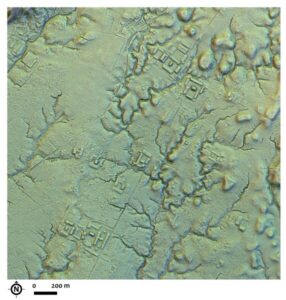
Parallel discoveries in Bolivia’s Llanos de Mojos support this revised picture. There, Lidar surveys revealed monumental earthen pyramids and causeways built by the Casarabe culture.

Together with the Ecuadorian evidence, these findings confirm that large, organized societies developed across multiple Amazonian regions well before the arrival of Europeans.

Soils also played a central role. Pre-Columbian farmers created Amazonian Dark Earths, known as terra preta, by mixing charcoal, food waste, and bone with local soils.

Amazon’s Fertile Soils and Hidden Human History

These man-made soils remain fertile for centuries and allowed sustained agriculture in an otherwise nutrient-poor environment. Their persistence today testifies to deliberate land management and long-term planning, not accidental enrichment.

The collapse of these societies followed the sixteenth century, when smallpox and other Eurasian diseases spread after first contact. Populations fell sharply, settlements emptied, and the forest reclaimed engineered landscapes.

What appears today as untouched wilderness is, in part, the result of demographic collapse rather than an absence of human history. These discoveries reshape the way the Amazon is understood.

They establish it not only as a reservoir of ecological resources but also as a landscape once built and sustained by complex societies.

Recognizing that reality matters for business, archaeology, and conservation alike, since the past informs how the region’s resources and history are valued in the present.

This article was produced by The Rio Times’ automated newsroom system. How we use AI · Report an error · Editorial responsibility: Matthias Camenzind, Editor-in-Chief

Read More from The Rio Times

The Rio Times · Power Map
See who really holds power in Latin America
Click to open the Power Map →

Rotate for Best Experience

This report is optimized for landscape viewing. Rotate your phone for the full experience.