U.S. Tariffs Start Today, Hitting Brazilian Agriculture and Machinery Hardest
Today, a new U.S. tariff of 50% officially hits a wide range of Brazilian exports, escalating an ongoing trade dispute and immediately shaking Brazil’s vital agricultural and industrial sectors.
This penalty follows an earlier 10% tariff imposed by the U.S. just two months ago, intensifying the challenge for Brazilian exporters.
Official reports confirm that while nearly 700 products—mainly minerals and specific chemicals—are spared, essential goods like coffee, beef, juices, sugar, shoes, fish, and machines now face steep barriers entering the world’s largest consumer market.
Brazil’s economy heavily relies on agribusiness and manufacturing. In 2024, agricultural exports earned more than $40 billion, with the U.S. buying around $1.9 billion in coffee and significant amounts of beef and other foods.
Analysts say nearly 83% of Brazil’s agricultural sales to the U.S. are now exposed to high tariffs, making these products far less competitive.
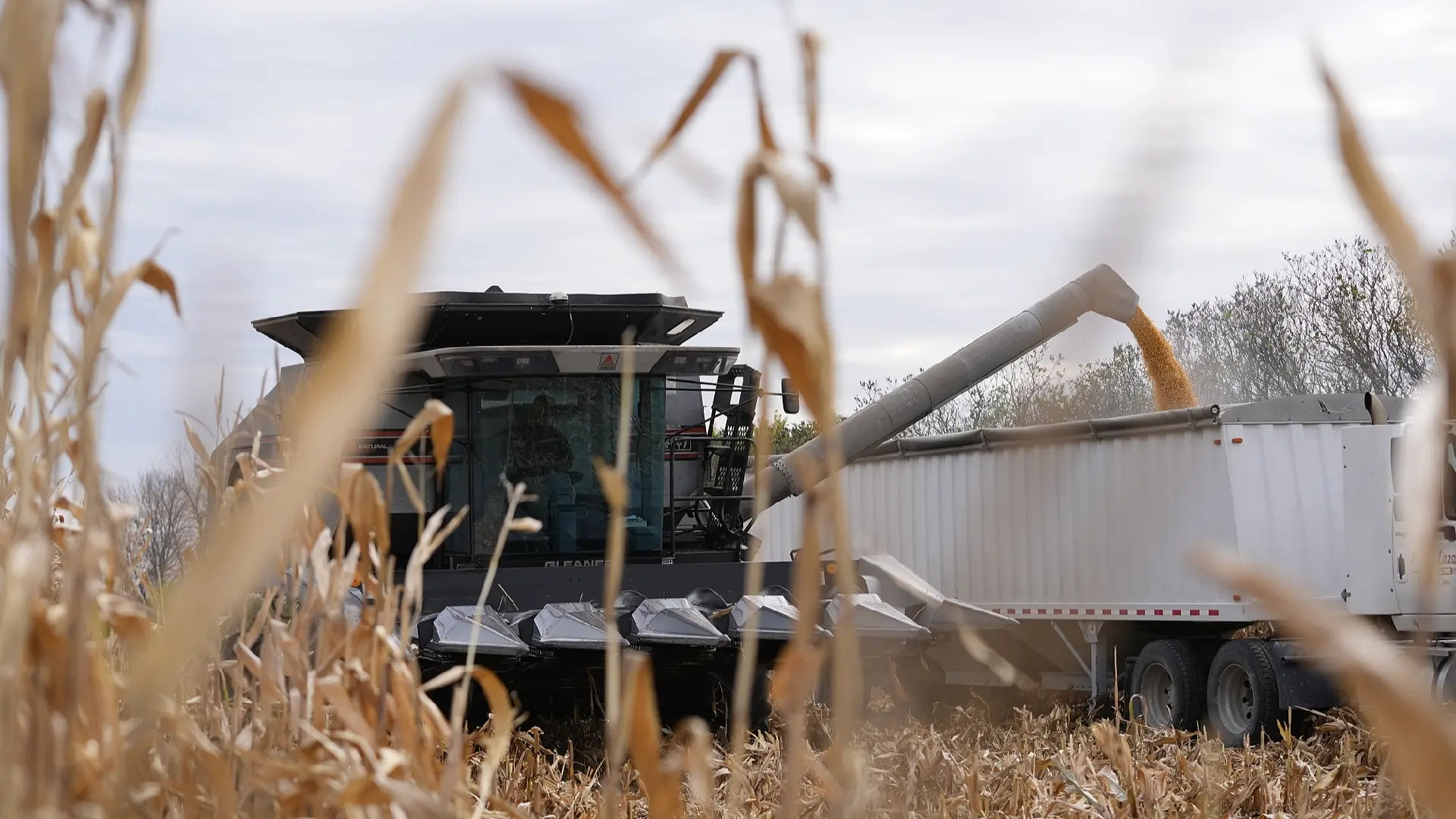
Machines and industrial equipment will struggle even more, as over half of Brazil’s sales in civil engineering machinery went to America last year—sales now under direct threat with few quick alternatives.
Navigating U.S. Trade Pressure Amid Political Tensions
The Brazilian government, led by President Luiz Inácio Lula da Silva, rejected U.S. demands tied to Brazil’s domestic legal actions and the prosecution of former president Jair Bolsonaro.
Officials say the U.S. is using trade tools to apply political pressure. With the U.S. refusing to negotiate unless Brazil meets unrelated political requests, Brazil must act on its own.
Brazilian officials are launching support plans for the hardest-hit industries and racing to open new markets, particularly in Asia. Since the first tariffs, Brazil’s beef exports to Mexico jumped more than 400% in the first half of this year.
Coffee sellers have also started new deals in China. Yet, jobs and revenues in several sectors remain at serious risk if American buyers vanish.
The government is taking its case to the World Trade Organization, aiming to challenge the legality of the U.S. penalties. Meanwhile, business groups continue to lobby for tariff exemptions and urge for direct talks.
More: Brazil news in English, every day from The Rio Times.
This article was produced by The Rio Times’ automated newsroom system. How we use AI · Report an error
Read More from The Rio Times