As global tech tensions escalate, the semiconductor industry, crucial for everything from smartphones to national defense, has become a focal point of U.S.-China rivalry.
The U.S. is restricting China’s access to advanced semiconductor technologies for security reasons. In response, China is significantly boosting state support for its semiconductor sector.
This strategic pivot is not just about survival under sanctions but also about achieving technological autonomy. The U.S. dominates the semiconductor industry, which is integral to modern technology.
To protect its leadership and address security concerns, it has blocked key Chinese companies like Huawei from accessing cutting-edge U.S. semiconductor technology and equipment.
This has forced China to focus on developing its semiconductor capabilities internally. In 2023, China increased government subsidies to its semiconductor companies by 35%, totaling approximately $3 billion.
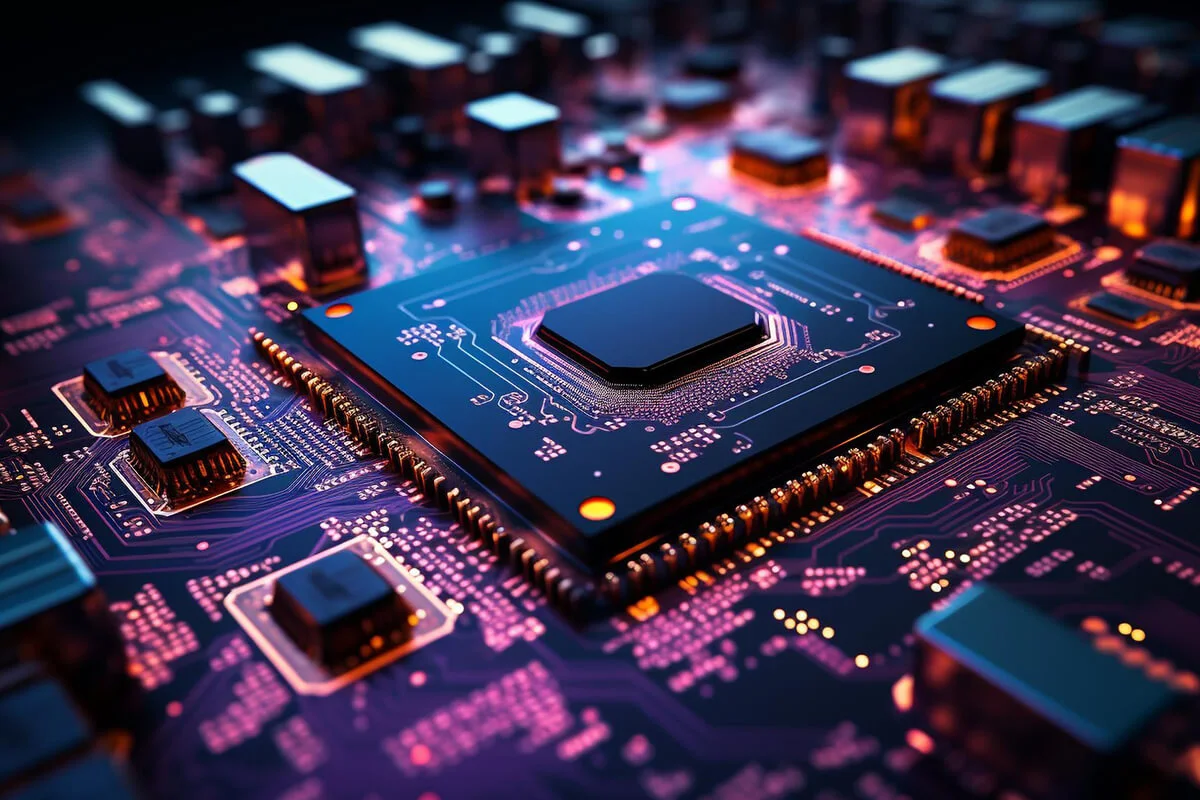
This investment aims to reduce reliance on foreign technology and foster domestic innovation. Companies like Huawei and SMIC are the primary beneficiaries, receiving billions to enhance their production capabilities.
China’s Semiconductor Ambitions
China’s goal is clear: to secure self-sufficiency in semiconductors by 2025 as part of its broader “Made in China 2025” strategy. This move is essential for China’s ambition to lead in crucial technological sectors.
However, achieving this is fraught with challenges, notably in developing advanced manufacturing technologies, where it currently lags behind.
This intensified competition affects the global market, raising concerns in the U.S. and Europe about potential disruptions and competitive disadvantages in legacy chip technologies.
It prompts Western responses, including consideration of more subsidies for domestic industries and possible further export controls.
In summary, the ongoing U.S.-China tech conflict, exemplified in the semiconductor sector, is reshaping global technological and economic landscapes.
China’s strategic efforts toward semiconductor self-sufficiency illustrate its broader ambitions and the significant geopolitical and technological hurdles it faces.
This battle not only defines the tech capabilities of the superpowers. It also has wide-reaching implications for global technological advancement and economic stability.
This article was produced by The Rio Times’ automated newsroom system. How we use AI · Report an error · Editorial responsibility: Matthias Camenzind, Editor-in-Chief