Sustainable Tourism as Latin America’s Economic Lifeline
Sustainable tourism is rapidly proving to be an economic cornerstone in Latin America, renowned for its biodiversity and cultural wealth.
This initiative has been building momentum for over two decades. According to the World Tourism Organization’s 2023 report, this sector grew by 15% in Latin America.
It is projected to generate more than $150 billion annually by 2025. This tourism model not only aims to attract visitors but also strives to protect natural and cultural resources.
Countries like Costa Rica, Colombia, and Peru lead in adopting sustainable tourism. They demonstrate that economic growth can coexist with environmental conservation.
In Costa Rica, eco-tourism contributes about 8% to its GDP, as reported by the Costa Rican Tourism Institute.
The country has enacted policies to promote biodiversity, such as establishing national parks and eco-friendly accommodations. These efforts have drawn over three million tourists in 2023.
Colombia’s sustainable tourism thrives, especially in the Coffee Axis and Amazon regions. According to ProColombia, the number of eco-tourists increased by 25% in 2023, raising over $2 million.
This boost has encouraged local communities to start tourism projects that offer insights into biodiversity and cultural traditions, thus supporting local economies.
Leading the Way in Sustainable Tourism
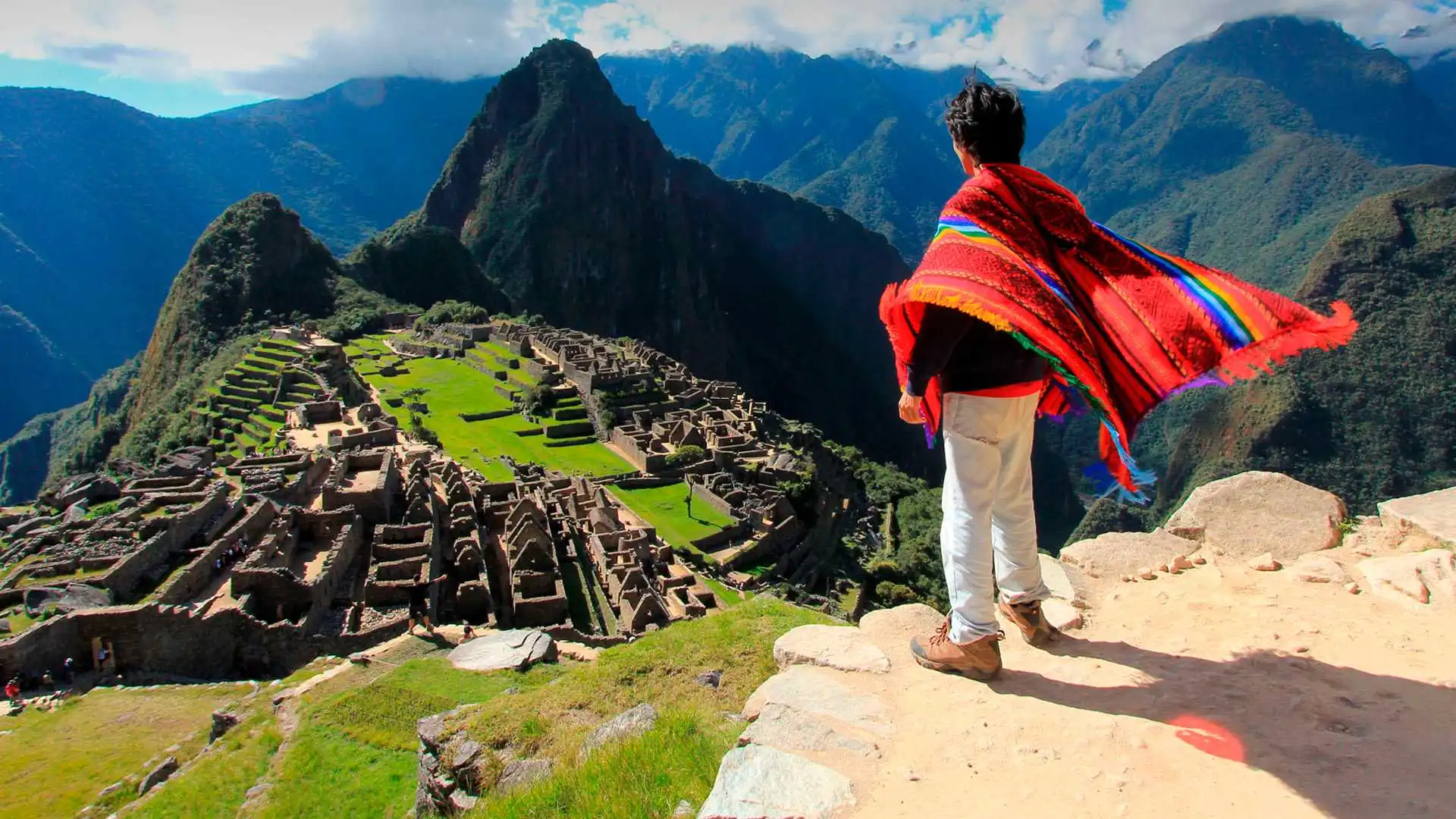
Peru integrates sustainable practices to protect its natural and cultural treasures. A standout example is Machu Picchu. The government has set visitor limits to preserve this iconic site for future generations.
PromPerú estimates that by 2027, sustainable tourism will generate over $5 million annually, helping to diversify Peru’s economy away from reliance on mining and other extractive industries.
The Dominican Republic is also embracing sustainable tourism as a key economic strategy. Its Ministry of Tourism noted that in 2023, the country welcomed over seven million visitors, an 18% increase from the previous year.
There is a rising demand for sustainable experiences, including eco-tourism and agro-tourism. These sectors allow travelers to explore the country’s natural and cultural assets while benefiting local communities.
The Dominican Republic sees great potential in the southwest, particularly in Pedernales province, for developing eco-tourism due to its pristine biodiversity and landscapes.
The government, along with the private sector, is investing in sustainable projects expected to generate over $200 million and create approximately 20,000 jobs, which could significantly impact the local economy.
However, sustainable tourism in the Dominican Republic faces challenges, such as inadequate infrastructure in areas like Pedernales.
Brazil has Grown Remarkably
Sustainable tourism in Brazil has grown remarkably, reaching R$10.12 billion ($1.81 billion) in 2023. Brazil’s natural wealth ranks third globally for tourism potential.
In 2018, ecotourism generated R$8.6 billion ($1.54 billion) and created 80,000 direct jobs. Destinations like Bonito showcase successful sustainable tourism practices.
Embratur promotes eco-friendly tourism to attract conscious visitors and benefit local communities.
The Revive Brasil program recovers historical sites for tourism use. National parks encourage tourism through concessions to improve visitor experiences.
More: Latin America news in English, every day from The Rio Times.
This article was drafted with automated assistance and reviewed before publication. How we use AI · Report an error · Editorial responsibility: Matthias Camenzind, Editor-in-Chief