Scott Bessent’s Push for Deep U.S. Banking Regulatory Reform for Stronger Main Street Lending
US Treasury Secretary Scott Bessent has urged American regulators to drop complex rules that force banks to set aside extra money as a safety net, saying these outdated requirements make it harder for banks to lend to families and businesses.
Bessent argues that current capital rules, especially a recent proposal created after the 2023 bank failures, hurt local banks the most by limiting their ability to offer loans.
He says this drives credit away from well-regulated banks toward less regulated lenders, making the financial system less stable. Bessent insists that banks—big and small—should follow rules that match real risks, not rules based on old habits or bureaucracy.
He promises the Treasury will work with all regulators to fix the system, make it more efficient, and focus on what helps communities most.
Research by the Federal Reserve has shown that too-tough rules can cut back lending, slowing growth in towns and small businesses that rely on community banks.
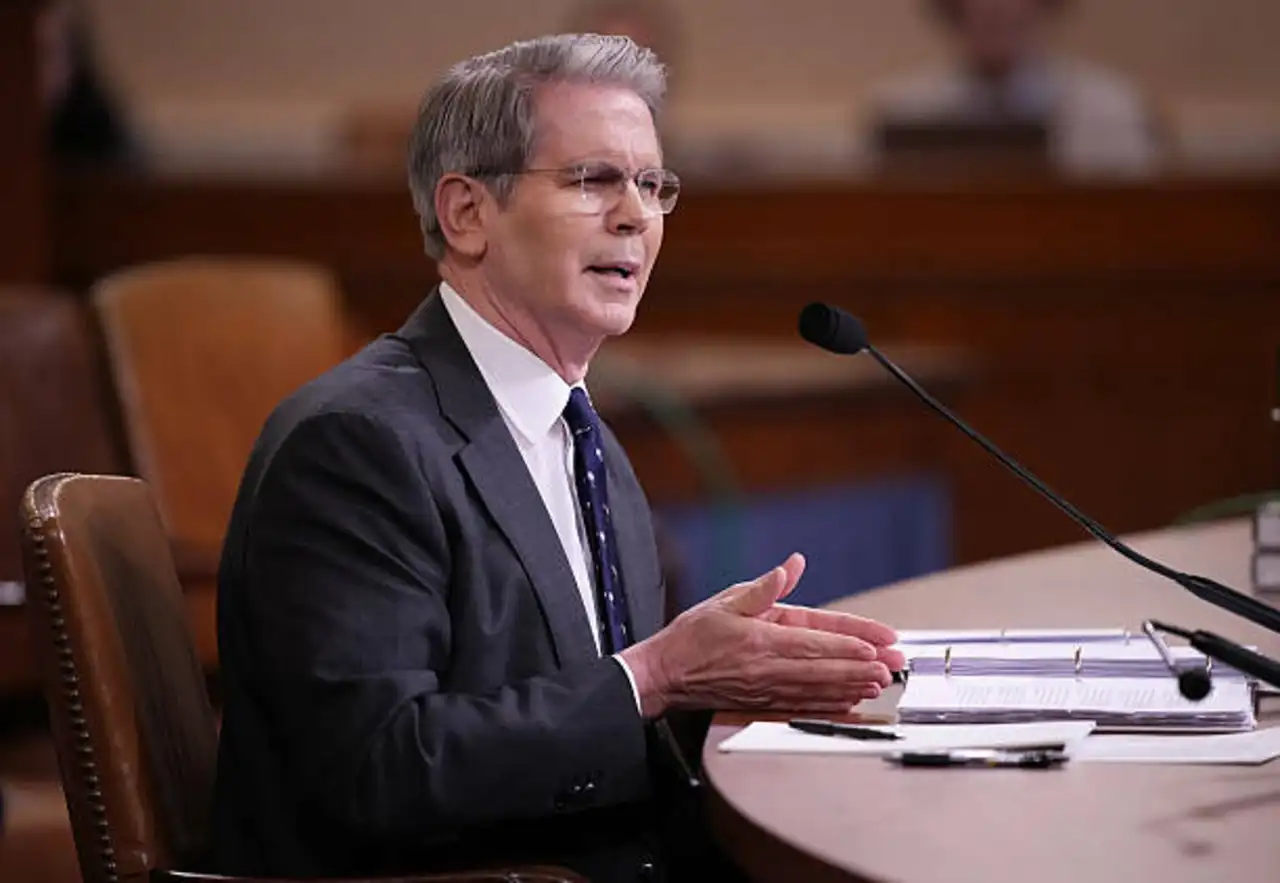
Bessent wants smaller banks to be able to choose a fairer system, which could lower their required safety margins while still meeting legal standards for protecting consumers and the economy.
He also warns that the Federal Reserve should avoid taking on too many new roles. Bessent says the central bank must stay focused on keeping the economy steady, and not get distracted by side projects or expensive building fixes when it is losing money.
Bessent’s push is about more than just technical rules—it is a move to make sure local businesses and families can borrow when they need to.
By pushing for changes, he hopes to keep lending strong on Main Street and make the financial system safer without piling on extra red tape. Bessent’s plan signals a shift to simpler, clearer rules that put American borrowers and the strength of community banks first.
This article was produced by The Rio Times’ automated newsroom system. How we use AI · Report an error · Editorial responsibility: Matthias Camenzind, Editor-in-Chief