Rwanda In Talks With Italy To Resettle Irregular Migrants, No Deal Yet
Rwanda · GEOPOLITICS
Key Facts
—Status of talks: Rwanda and Italy are in exploratory discussions. Government spokesperson Yolande Makolo said on 6 August 2026 that there is “no agreement yet.”
—Proposed model: One idea under discussion is an expansion of the Emergency Transit Mechanism at Gashora, south of Kigali, which already handles vulnerable evacuees from Libya.
—Italy’s shortlist: Interior Minister Matteo Piantedosi has said Rwanda is one of three African countries under consideration, alongside Uganda and Ghana.
—Italy’s Albania precedent: Italy already has an external processing deal with Albania, financing and managing facilities there with a cap of 3,000 migrants at a time.
—UK–Rwanda scheme context: The abandoned UK deal involved £370 million in development funding and a further £120 million once 300 people were relocated.
—What remains unconfirmed: It is not yet clear whether any arrangement would cover only rejected asylum seekers, people intercepted at sea, or a broader group of irregular migrants.
Rwanda and Italy are in exploratory talks over a possible arrangement to send certain irregular migrants or rejected asylum seekers to Rwanda for temporary processing, though no agreement has been signed and the scope of any deal remains undefined.
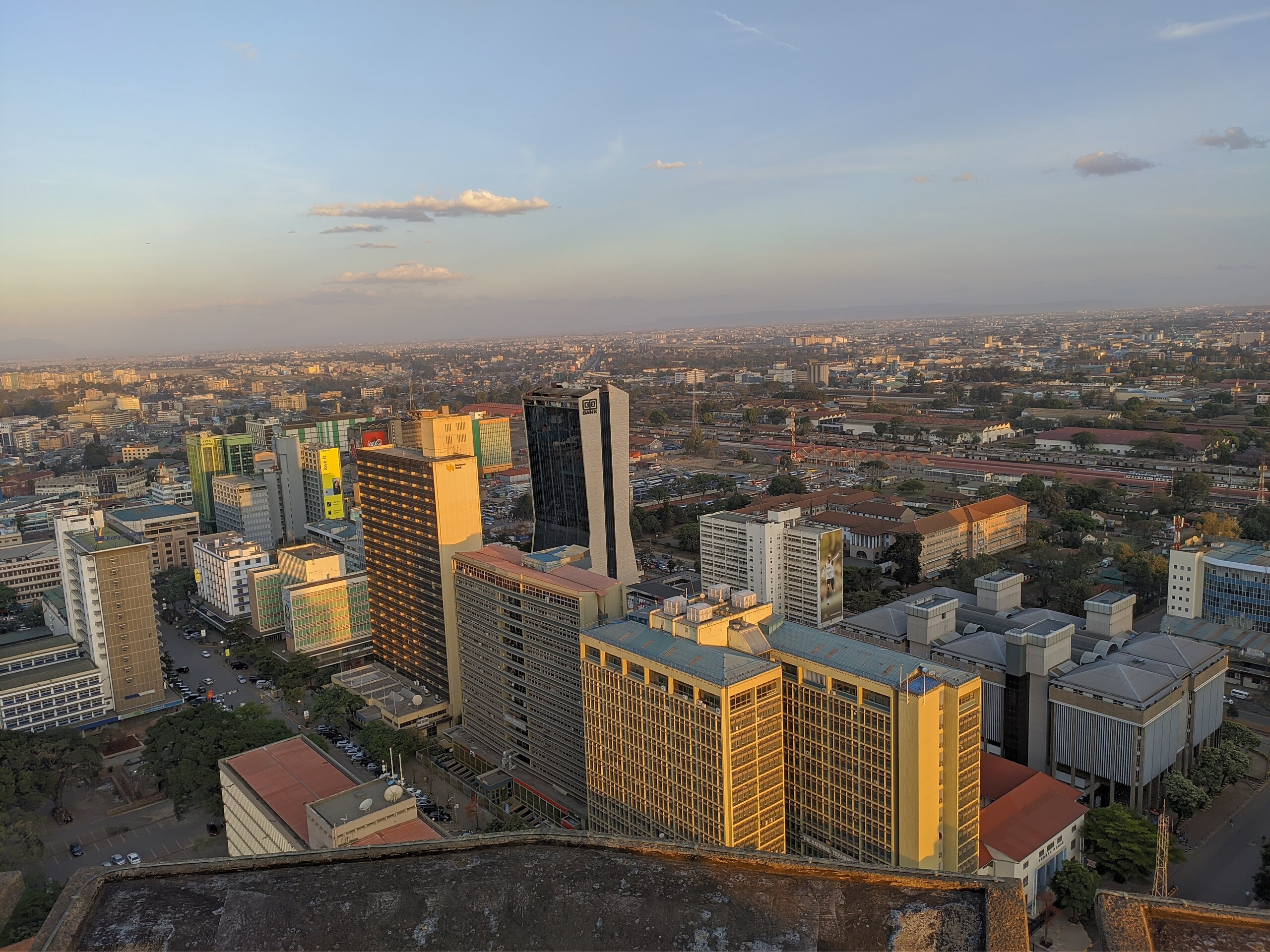
What the Rwanda Italy migrant talks involve
Rwanda’s government spokesperson Yolande Makolo confirmed on 6 August 2026 that discussions with Italy are underway but stressed that there is “no agreement yet.” She described the talks as exploratory and said one concept being examined is an adaptation of the Emergency Transit Mechanism at Gashora, a facility south of Kigali that already hosts vulnerable evacuees from Libya.
Under the broad outline reported in Italian and international media, migrants would stay in Rwanda temporarily before either returning home voluntarily or being resettled elsewhere if they qualify for protection. The arrangement would form part of a wider European push to create pilot return hubs in third countries, shifting asylum processing away from European Union territory.
Italian Interior Minister Matteo Piantedosi has reportedly said Rwanda is one of three African countries under consideration, alongside Uganda and Ghana. The talks remain at an early stage, and it is not yet confirmed whether any deal would cover only rejected asylum seekers, people intercepted at sea, or a broader category of irregular migrants.
Italy’s externalisation playbook and the Albania model
The Rwanda talks fit squarely within Prime Minister Giorgia Meloni’s strategy of externalising migration control to reduce domestic political pressure. Italy already has a functioning external processing deal with Albania, under which Rome finances and manages facilities on Albanian soil with a cap of 3,000 migrants at a time.
Reuters reported in 2023 that Italy’s Albania pact involved €16.5 million in initial costs, while later analysis placed the wider deal at over €650 million. That template shows the mechanics Rome is likely to pursue: Italian funding and operational control combined with a different legal architecture that keeps asylum processing offshore.
A Rwanda arrangement would represent a further step, extending the model beyond Europe’s immediate neighbourhood into sub-Saharan Africa. For Meloni, the appeal is clear: it signals toughness on irregular arrivals while avoiding the legal and logistical complications of large-scale detention inside Italy.
Rwanda’s migration diplomacy and the UK precedent
Rwanda has turned migration cooperation into a recurring foreign-policy instrument under President Paul Kagame. Le Monde characterised Kigali’s posture during the UK talks as part of “Paul Kagame’s migration diplomacy,” with London offering substantial financial support in exchange for Rwanda’s willingness to host asylum seekers.
The UK–Rwanda scheme, which shaped the global debate on externalisation, involved two commitments recorded by the UK Parliament’s Commons Library: £370 million in development funding and a further £120 million once 300 people had been relocated.
That scheme was eventually abandoned after fierce legal and political controversy, with human-rights groups and courts challenging the premise that asylum can be safely and lawfully outsourced. Any Italy–Rwanda arrangement will inevitably be scrutinised through the same lens, testing whether it functions as a genuine protection mechanism or a detention-and-removal tool dressed as humanitarian governance.
The money and power behind third-country migration deals
The Rwanda–Italy talks are best understood as part of a global externalisation market in which wealthy destination states use cash, infrastructure and diplomatic incentives to move asylum processing outside their own territory. Migration control becomes a form of foreign policy: destination governments gain a political solution to irregular arrivals, while partner states gain funding, international status and bargaining power.
For Rwanda, the appeal is not only financial. Kagame’s government has repeatedly used migration cooperation to deepen ties with powerful states and to present Rwanda as a disciplined, reliable partner in security and humanitarian governance. That positioning matters in the Great Lakes geopolitical environment, where international partnerships can translate into broader diplomatic influence and investment attention.
Academic analysis of such arrangements highlights asymmetric power relations and financial transfers that go well beyond migration management. The deals often serve broader geopolitical interests, with partner states leveraging their willingness to host migrants for room to manoeuvre with Western capitals, as explored in Africa: The New Scramble.
What the Gashora mechanism tells us
The Emergency Transit Mechanism at Gashora, which Makolo cited as a possible model for an Italy deal, was established to evacuate vulnerable refugees and asylum seekers from detention centres in Libya. It is run by the United Nations High Commissioner for Refugees (UNHCR) and the Rwandan government, and has processed thousands of people since it opened.
Under the Gashora model, evacuees stay temporarily while the UNHCR works to find durable solutions, including resettlement in third countries or voluntary return. Adapting that framework for an Italy arrangement would mean expanding its scope to cover people rejected by European asylum systems or intercepted en route to Europe.
Whether the mechanism would be expanded, repurposed or simply used as conceptual inspiration remains unconfirmed. The talks are still exploratory, and no public document outlines the legal architecture or funding model that would underpin any eventual agreement.
What to watch next in the Rwanda Italy migrant talks
The immediate question is whether exploratory talks advance to a formal negotiation mandate. Italian media reporting frames the initiative as part of a broader European effort to create pilot return hubs, but it is not confirmed whether the European Union would fund any scheme directly or whether the arrangement would be purely bilateral.
Legal and reputational risks loom large. Any deal will face scrutiny from human-rights organisations and courts, particularly given the collapse of the UK–Rwanda scheme and ongoing challenges to the Albania model. The distinction between temporary processing and de facto detention will be critical to whether an arrangement can survive legal challenge.
For investors and professionals watching African geopolitics, the talks signal that Rwanda intends to keep migration diplomacy at the centre of its foreign-policy toolkit. Even if no deal materialises, the mere fact of negotiations reinforces Kigali’s positioning as a go-to partner for European states seeking offshore solutions to irregular migration.
Frequently Asked Questions
Has Rwanda signed an agreement with Italy to resettle migrants?
No. Government spokesperson Yolande Makolo confirmed on 6 August 2026 that there is “no agreement yet” and that talks remain exploratory.
Which other African countries is Italy considering for a migration deal?
Italian Interior Minister Matteo Piantedosi has said Uganda and Ghana are also under consideration alongside Rwanda.
What is the Gashora Emergency Transit Mechanism?
It is a facility south of Kigali, run by the UNHCR and Rwanda, that temporarily hosts vulnerable evacuees from Libya before resettlement or voluntary return.
Connected Coverage
For deeper context on how migration diplomacy fits into the wider contest for influence across the continent, read Africa: The New Scramble.
Sources
This article was produced by The Rio Times’ automated newsroom system. How we use AI · Report an error
LatAm Markets: Live Signals → — real-time movers, turnover leaders and FX across Latin America.
Read More from The Rio Times