Revamping Brazilian Sugarcane Farms for Enhanced Value
In 2021, Brazil, as the global leader in sugarcane production, harvested a remarkable 715 million tons.
This industry not only produces sugar but also generates substantial biowaste, primarily bagasse, which is often burned.
A groundbreaking project with TH Köln has introduced novel harvesting methods to repurpose this waste into profitable products.
For every ton of sugarcane, 150 to 300 kilograms of bagasse are left over. This by-product, if not burned for energy, presents a unique opportunity for innovation.
The project, spearheaded by Prof. Dr. Sabine Schlüter, suggests a complete overhaul of the sugarcane processing chain to elevate bagasse’s value.
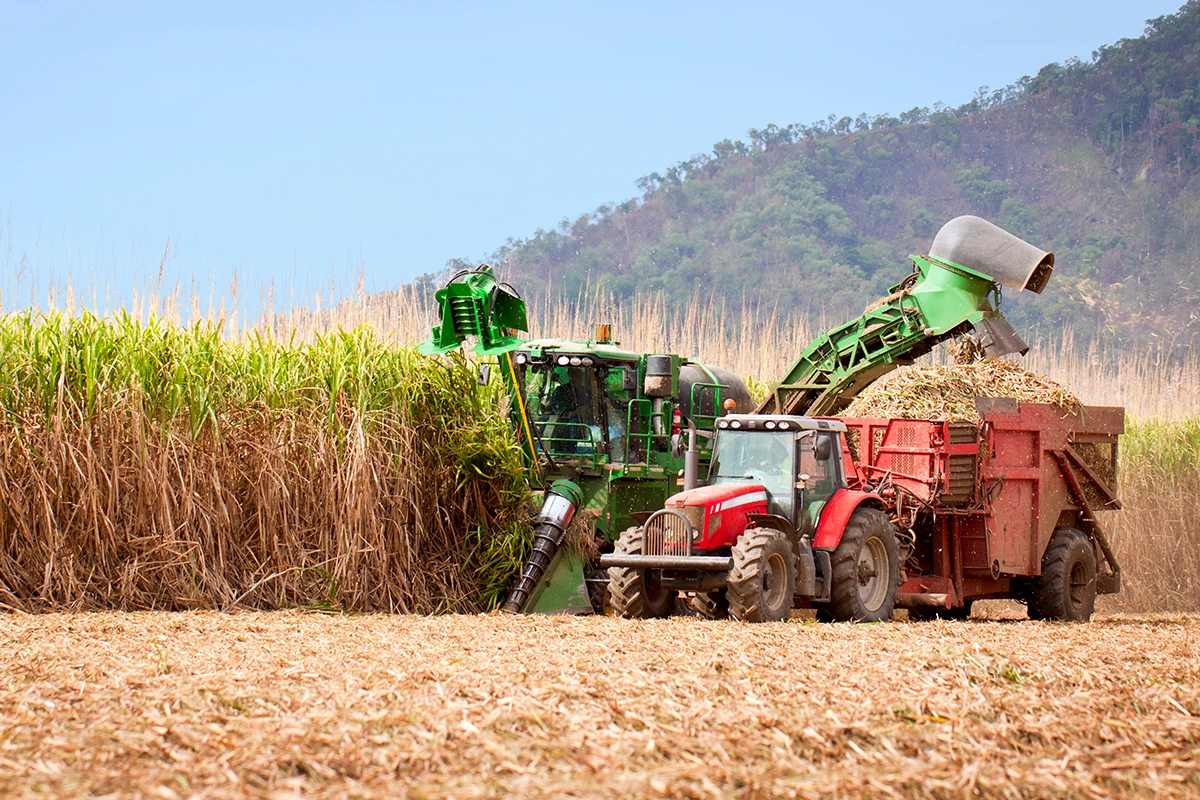
A key innovation involves designing a new harvester for small-scale farms, addressing the tradition of burning fields before harvest.
This machine conserves the integrity of the sugarcane stalks, ensuring higher sugar yields without the need for burning, as explained by Carl-Friedrich Gaese.
Improving the machine’s design and introducing a less damaging cutting system aim to reduce plant stress and promote regrowth.
This lighter, tractor-towed harvester also lessens soil compaction, marking a significant advance over heavier conventional models.
A pivotal aspect of the project is utilizing pyrolysis to convert bagasse into biochar, a process described by Prof. Dr. Frank Rögener.
This conversion not only offers a more efficient energy source but also provides an eco-friendly fertilizer alternative.
Biochar’s potential extends to water purification, showcasing a versatile and marketable end product.
This initiative demonstrates a holistic approach to sugarcane farming, promising economic viability and environmental sustainability.
However, the COVID-19 pandemic has posed challenges, limiting the practical testing of these innovations in Brazil.
Despite these hurdles, the project’s success in creating a sustainable and profitable model from sugarcane waste underscores the potential for similar agricultural advancements globally.
More: Brazil news in English, every day from The Rio Times.
This article was produced by The Rio Times’ automated newsroom system. How we use AI · Report an error · Editorial responsibility: Matthias Camenzind, Editor-in-Chief