PERU · WILDFIRES · EL NIÑO
Key Facts
- —The country Peru is a South American US free-trade partner whose southern Andes, including Cusco and Machu Picchu, draw many American visitors.
- —What happened Peru’s civil defence institute counts 12 wildfire deaths as of Monday 19 October, double the six counted in early October.
- —The politics Peru’s transport minister blames the previous government for El Niño prevention work not done on time.
- —The forecast An official alert is in force, and the sea warming off Peru’s coast is expected to stay at an extraordinary level until January 2027.
- —Prediction markets Polymarket gives a 72.5% chance that this El Niño’s peak reaches 2.5 or higher on NOAA’s RONI index (19 October, 8:21 p.m. ET).
- —Power Index Peru ranks 5th of 14 in The Rio Times Latin America Power Index, with 54.7 points (October 2026 edition).
- —What it means for you No tourist-site, road or rail closure appears in the official fire notices we read through 17 October, but visitors should check smoke and access.
- —Still open It is unclear when the death count began, how much land has burned or which officials in the earlier government failed to act.
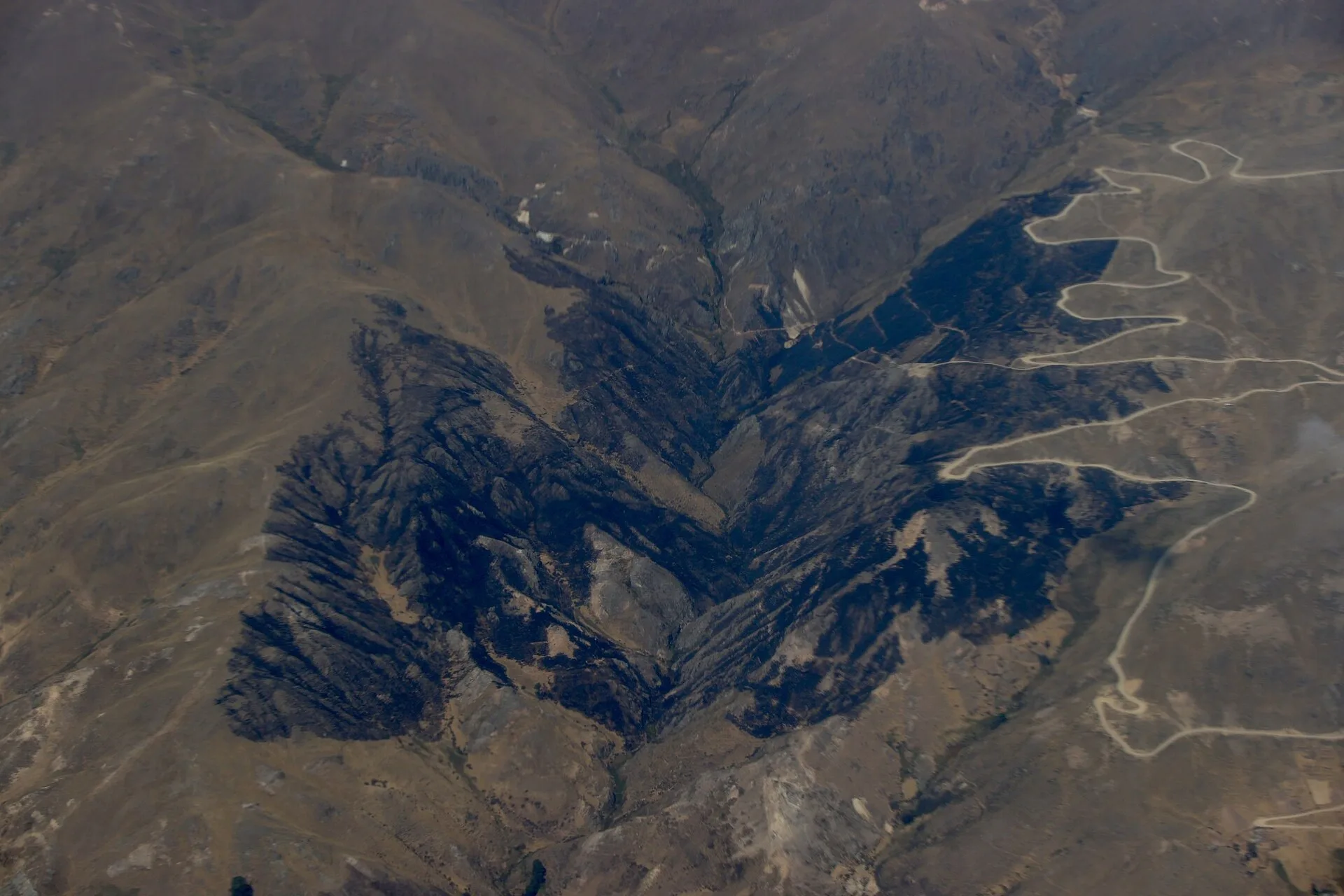
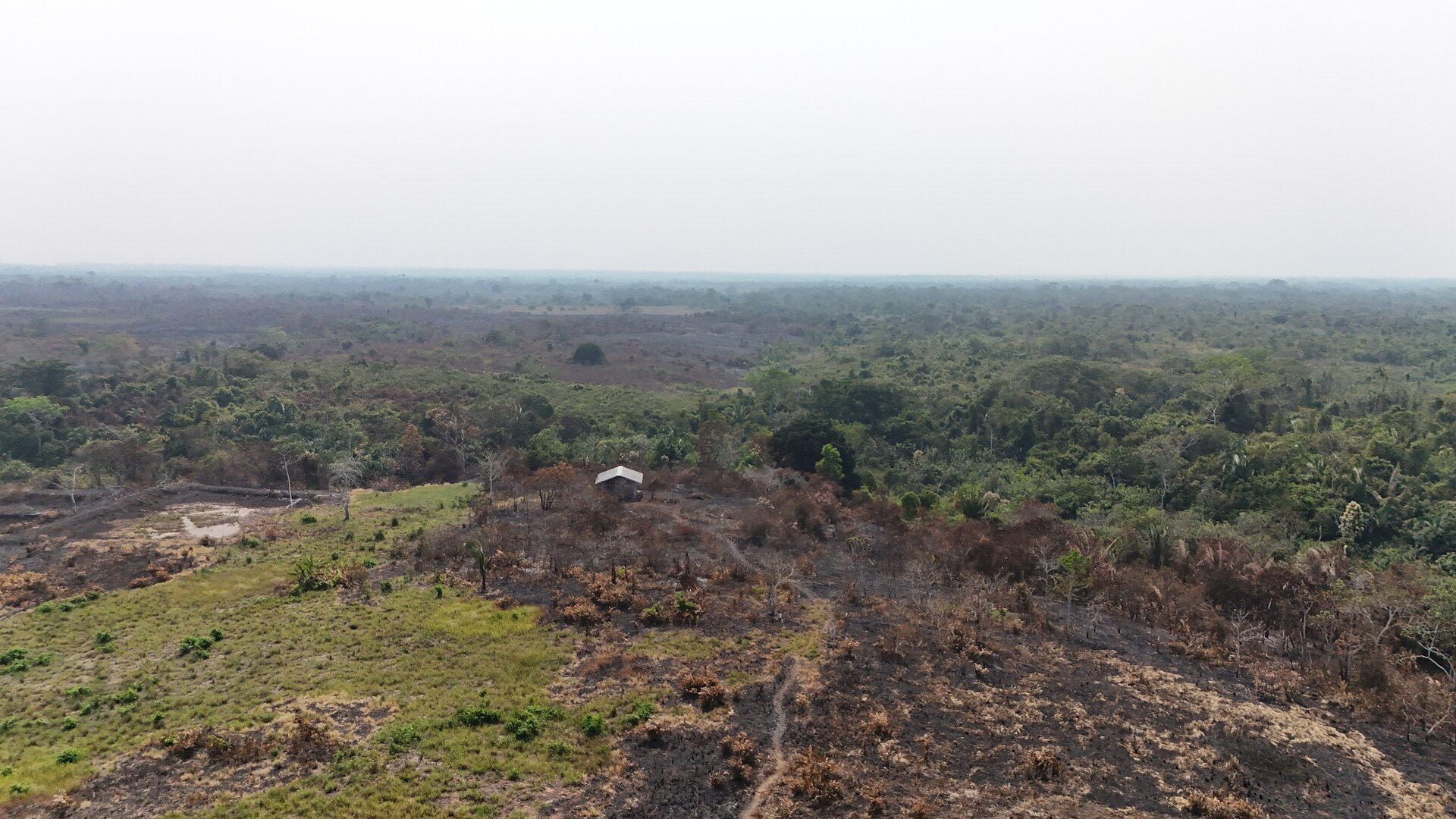
Wildfires in Peru’s Andes have killed 12 people so far, the head of the national civil defence institute, Indeci, told the news outlet Exitosa on Monday 19 October. The fires burn in highland regions that include Cusco, the gateway to Machu Picchu.
The same day, Transport Minister José Angello Tangherlini told Exitosa that “the previous government had full knowledge of what awaited us” with El Niño, the Pacific warming forecast to bring above-normal rain to Peru’s north coast. Both stories matter to US readers planning travel in Peru or tracking a US free-trade partner.
What the Civil Defence Chief Told Exitosa
Indeci is Peru’s National Institute of Civil Defence, which tracks disasters through its national emergency operations centre, known as COEN. Its chief, Luis Enrique Vásquez Guerrero, said: “Unfortunately, to date we have 12 dead.”
Vásquez named four deaths in Cusco, three in Cajamarca, two in Apurímac, two in Pasco and one in Puno, and said 832 people are counted as affected, mainly by burns. He said 12 fires are active and 12 are controlled, and called Río Tambo, in the central region of Junín, the most critical case, with four active.
Earlier counts were lower: on Thursday 8 October the daily Correo counted six deaths, five in Cusco and one in Puno. Vásquez gave no start date, and Andina reported a wildfire death in Pasco on Thursday 6 August, so the total may cover the whole dry season.
Transport Minister Blames the Previous Government
Tangherlini runs the Ministry of Transport and Communications, known as MTC, which is responsible for roads, bridges and ports. He told Exitosa that “there are prevention actions that have not been carried out on time” and that El Niño projections had circulated since March 2026.
“The previous government had full knowledge of what awaited us with this El Niño phenomenon,” he said, naming no official in the passages Exitosa published. He said the government of President Keiko Fujimori, a conservative who took office on 28 July, has focused on preparation because of the time that has passed, and because prevention means permanent works.
He put work at 536 critical points nationwide at 70% complete, the same figures Fujimori gave on Thursday 15 October, according to the state newspaper El Peruano. He also said desilting has restored the Piura River’s channel capacity to a level not seen in 50 years.
At the La Leche bridge in Lambayeque, he said, the concessionaire IIRSA Norte has started machinery work to clear the riverbed and protect the structure. The ministry’s 14 October release on his inspection of the bridge lists channel cleaning and spot repairs.
What the Official El Niño Alert Says
ENFEN is Peru’s multi-agency commission that studies El Niño. Its Communiqué 18-2026 of Friday 16 October carries an “Alert of Coastal El Niño” and says the warming off the coast will most likely stay “extraordinary”, meaning 3.5 degrees Celsius (6.3 degrees Fahrenheit) or more above normal, until January 2027.
Its chart gives 98% odds of an extraordinary event in October and 95% in November. ENFEN expects rain above normal on the north and central coast for the rest of 2026, and river flows above normal from November in the Tumbes, Chira, Piura, La Leche and Jequetepeque rivers.
For the southern highlands and the Amazon, ENFEN expects normal to below-normal rain. It warns of water rationing if the central and southern highlands face a rainfall deficit.
What Prediction Markets Say
On Polymarket, traders put the chance that this El Niño’s peak reaches 2.5 or higher on NOAA’s Relative Oceanic Niño Index at 72.5% (19 October, 8:21 p.m. ET), up 2.5 points in 24 hours. That bracket has traded about US$50,400, and the whole market on the peak about US$110,600.
These are bets, not polls, and they track the Pacific warming, not Peru’s preparations or the fires. The index is the one NOAA’s Climate Prediction Center uses, and ENFEN’s chart calls a reading of 2.0 or more “very strong”.
Why we show this: prediction markets turn real-money bets into a live probability that moves within minutes of the news, which is why investors, campaigns and newsrooms in the United States now follow them closely. We show them next to polls and official results, never instead of them.
What It Means for You
The US State Department rates Peru Level 2, “Exercise Increased Caution”, in an advisory dated 8 September 2026 on the US Embassy in Lima’s website, which does not mention wildfires or El Niño. Its Do Not Travel areas do not include the city of Cusco and popular tourist sites nearby, such as the Sacred Valley, the Inca Trail and Machu Picchu.
The Indeci and Defence Ministry fire releases we read for 5 to 17 October mention no tourist-site, road or rail closure. Travellers booked on treks in Cusco, Apurímac or Puno this week should still ask operators about smoke and access.
Peru is a US free-trade partner under an agreement in force since 1 February 2009, according to the US Trade Representative. Investors and exporters should follow the transport ministry’s river and bridge work, since above-normal river flows are expected from November.
What Is Not Known
Vásquez gave no start date for the 12-death count, and no Indeci document or second outlet repeating the total was found. His breakdown also differs from early October, when five deaths were counted in Cusco.
The regions Vásquez named account for nine of the 12 active fires: one in Áncash, two each in Apurímac and Cusco, and four in Río Tambo. The published report does not say where the other three are or how many hectares have burned nationally.
The minister named no official in the previous government, and no independent check of his 70% figure or his 50-year claim for the Piura River was found. The ENFEN communiqué does not mention wildfires, so no link between the fires and El Niño is established in the sources reviewed.
What Comes Next
A Chamber of Deputies release of Tuesday 29 September said its infrastructure committee would summon Tangherlini to report on Tuesday 20 October, and whether that session goes ahead was not confirmed. Lambayeque is the flood zone assigned to his ministry on Thursday 15 October, as covered in Peru Sends Ministers to El Niño Flood Zones.
ENFEN’s next communiqué is due on 30 October, a date it calls a Thursday although it falls on a Friday. For the earlier national picture of the fires, see Peru Reports 58 Active Wildfires as Troops Deploy.
Frequently Asked Questions
How many people have died in Peru’s wildfires?
Indeci’s chief, Luis Enrique Vásquez Guerrero, told Exitosa on 19 October that 12 people have died: four in Cusco, three in Cajamarca, two in Apurímac, two in Pasco and one in Puno. He gave no start date for the count, and Indeci’s written releases do not repeat the total.
Is it safe to visit Cusco and Machu Picchu now?
The State Department’s advisory for Peru is Level 2, and its Do Not Travel areas do not include the city of Cusco and popular tourist sites nearby. Indeci’s releases through 17 October announce no tourist-site closures, but visitors should ask tour operators about smoke and access.
What did Peru’s transport minister say about El Niño?
José Angello Tangherlini told Exitosa on 19 October that “the previous government had full knowledge of what awaited us” with El Niño and that some prevention work was not done on time. He said work at 536 critical points is 70% complete, a figure for which no independent check was found.
How strong will El Niño be in Peru?
Peru’s national El Niño commission, ENFEN, expects warming off the coast to stay at an “extraordinary” level until January 2027, with rain above normal on the north coast. Its next communiqué is due on 30 October.
Sources: Exitosa, interview with Indeci chief Luis Enrique Vásquez Guerrero, 19 October 2026, Exitosa, interview with Transport Minister Tangherlini, 19 October 2026, Indeci, five wildfires put out, 17 October 2026, Indeci, heat notice, 18 October 2026, Indeci, news releases of 5 to 17 October 2026, ENFEN, Communiqué 18-2026, 16 October 2026, Ministry of Transport and Communications, La Leche bridge inspection, 14 October 2026, El Peruano, Fujimori on El Niño actions, 15 October 2026, Congress of Peru, committee summons Transport Minister, 29 September 2026, Correo, six wildfire deaths, 8 October 2026, Andina, wildfire death in Pasco, 6 August 2026, US Embassy in Peru, travel advisory of 8 September 2026, Office of the US Trade Representative, Peru, Polymarket, peak RONI market, 19 October, 8:21 p.m. ET. All retrieved 19 October 2026. The Exitosa interviews are known only through the outlet’s own reports of them, so their figures are attributed to the officials who gave them.
Editorial responsibility: Matthias Camenzind, Editor-in-Chief · Editorial standards · Report an error