
Key Facts
—Eight months. Peru’s trade surplus was US$30.793 billion from January to August 2026, US$12.291 billion more than a year earlier.
—August. The August surplus was US$4.714 billion, US$1.949 billion above August 2025.
—Exports. August exports rose 36.9% to US$10.815 billion as average export prices climbed 30.3%.
—Twelve months. The surplus over the 12 months to August was US$47.723 billion.
—Prediction markets. No active Polymarket or Kalshi market covers this data release (checked 20 October 2026, 2:25 a.m. ET).
—Power Index Peru ranks 5th of 14 in The Rio Times Latin America Power Index, with 54.7 points (October 2026 edition).
Peru earned US$30.793 billion more from selling goods abroad than it spent on imports from January to August 2026, according to the central bank (BCRP). The surplus is US$12.291 billion larger than a year earlier, driven mainly by higher export prices.
For US readers, the figures show how much Peru gains when world prices for its exports rise, which feeds directly into the country’s dollar income and its currency. Our Peru page follows the economy and the latest politics.
August Exports Jump 36.9%
Peru exported US$10.815 billion of goods in August 2026, up 36.9% from August 2025. Average export prices rose 30.3% while export volumes rose 5%.
Imports reached US$6.101 billion, up 18.8%. The monthly surplus was therefore US$4.714 billion, or US$1.949 billion more than a year earlier.
Eight Months and Twelve Months
From January to August, exports reached about US$77.4 billion, up 37.1%. Traditional exports, which are mainly raw materials, grew 48.5% over the period.
Over the 12 months to August the surplus reached US$47.723 billion. That is the central bank’s own rolling measure and smooths out single-month swings.
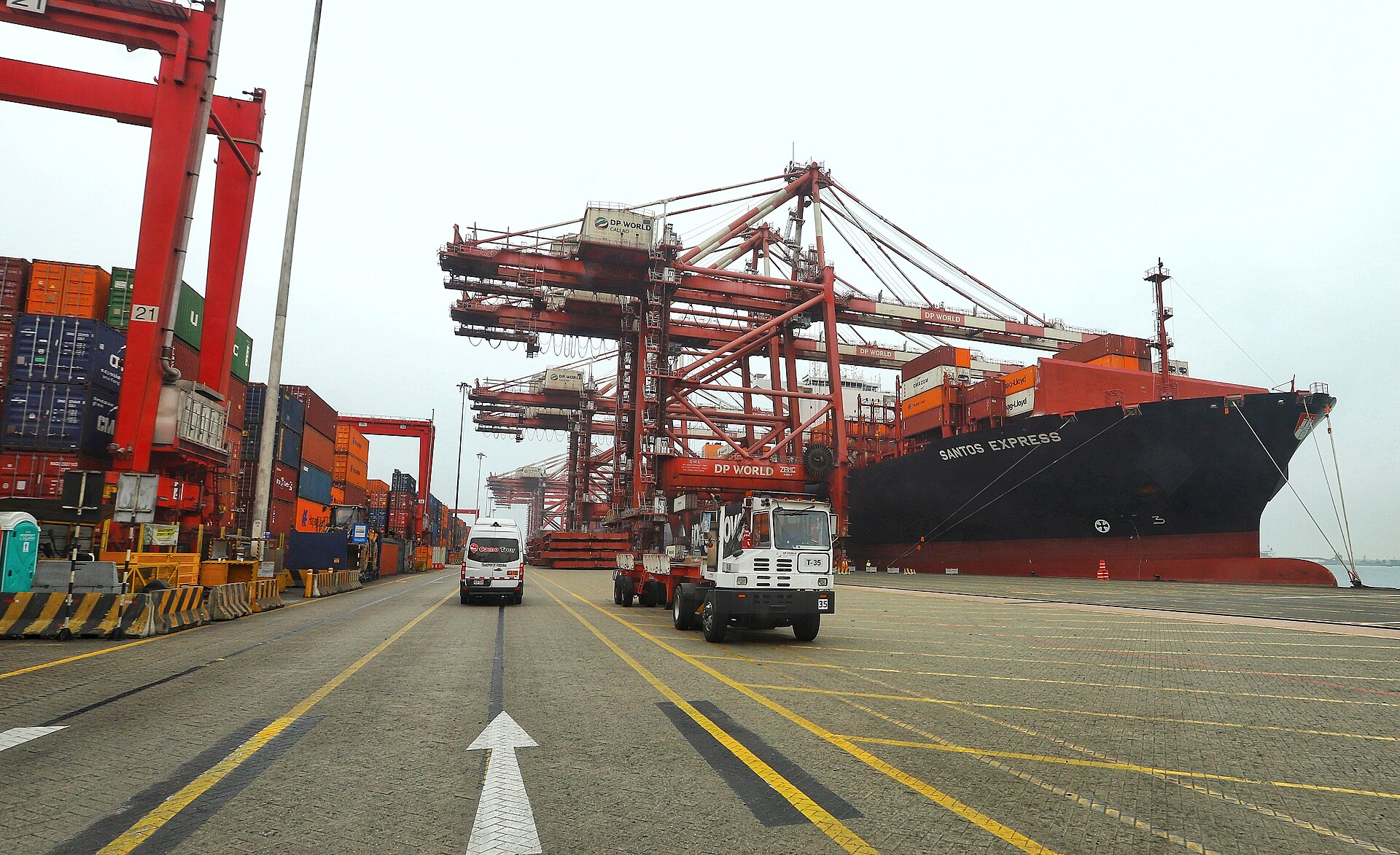
Traditional and Other Exports
In August alone, traditional exports were US$8.633 billion, up 46.9%. Non-traditional exports, which include farm goods and manufactured products, were US$2.149 billion, up 7.2%.
Over January to August, non-traditional exports grew 3.1%. That shows the 2026 boom rests far more on raw-material prices than on broad export growth.
What It Means for You
For US investors, a large surplus supports Peru’s currency and its public finances, but it also leaves the country exposed if raw-material prices fall. The gain comes mostly from price, not volume, so it can reverse.
For US companies that buy Peruvian metals or farm products, higher prices mean higher costs. Importers should watch whether the 30% price jump holds into the fourth quarter.
What Is Not Known
The central bank’s note does not say how long export prices will stay this high. It is also not clear how much of the surplus will translate into new investment.
Figures for September and later months have not been published. They will show whether the eight-month pace continues.
Sources
Banco Central de Reserva del Perú, trade balance · Andina · El Comercio
This article was produced by The Rio Times’ automated newsroom system. How we use AI · Report an error · Editorial responsibility: Matthias Camenzind, Editor-in-Chief
LatAm Markets: Live Signals → — real-time movers, turnover leaders and FX across Latin America.
Frequently Asked Questions
How large is Peru’s trade surplus in 2026?
Peru’s trade surplus was US$30.793 billion from January to August 2026, according to the central bank. That is US$12.291 billion more than in the same months of 2025.
What was Peru’s trade surplus in August 2026?
The August surplus was US$4.714 billion, up US$1.949 billion from August 2025. Exports were US$10.815 billion and imports US$6.101 billion.
Why did Peru’s exports rise so much?
Average export prices rose 30.3% in August, while volumes rose 5%. Traditional exports grew 46.9% in the month.
What is Peru’s 12-month trade surplus?
The surplus over the 12 months to August 2026 was US$47.723 billion, according to the central bank. That rolling measure smooths out single-month swings.